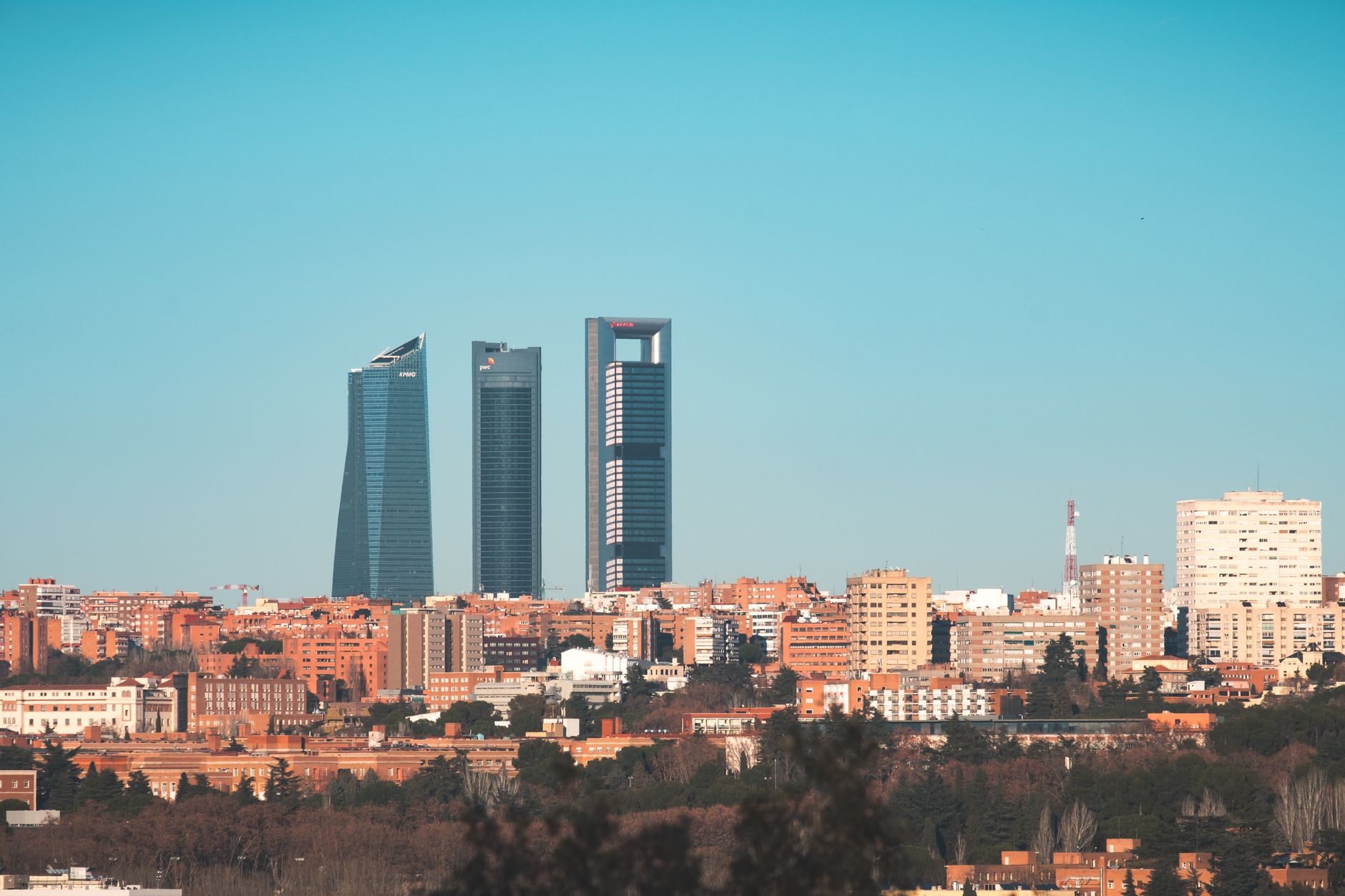
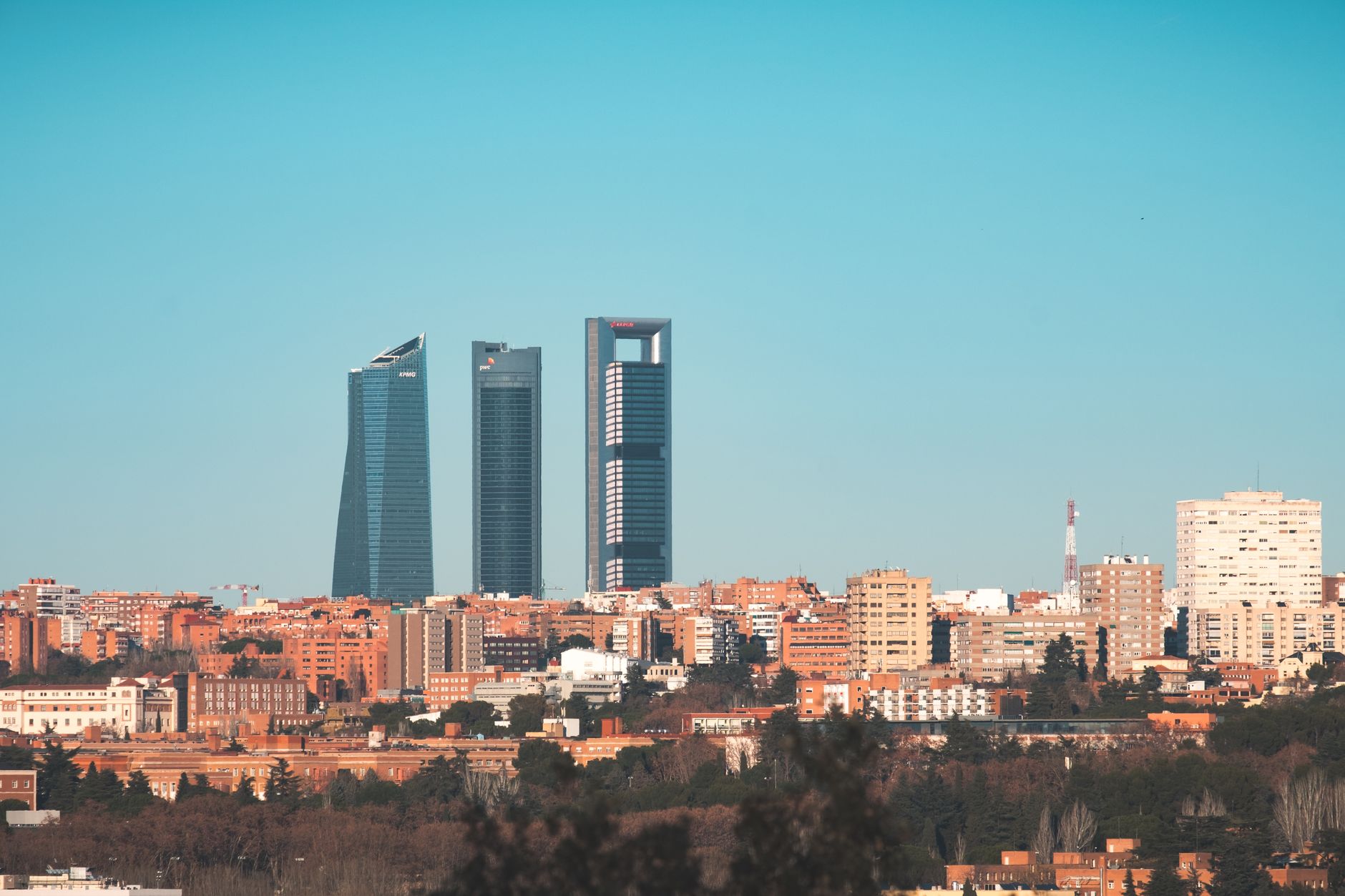
The gleaming office towers along Paseo de la Castellana tell one story about Madrid's economy. But walk through the neighbourhoods where those workers actually live—Malasaña, Chamberí, Chueca—and a different narrative emerges, one of mounting financial pressure reshaping the city's labour landscape.
Madrid's rental market has become unforgiving. A one-bedroom apartment in Chamberí now averages €950 monthly, up 28% since 2022, according to latest property data. For junior professionals earning €22,000 to €28,000 annually—typical entry-level salaries in finance, technology, and professional services—that's approaching 40% of gross income before utilities, transport, and food. The mathematics no longer work for many.
"We're seeing talented people leave for Barcelona, Lisbon, even back to their hometowns," says recruitment specialists operating across the capital's business districts. Companies in the Zona de Negocios near Plaza Castilla report increased difficulty filling mid-level positions, particularly in fintech and software development—sectors where remote-capable talent has leverage.
The pressure is acute in traditionally competitive sectors. Banks and investment firms headquartered along Paseo de Recoletos face higher turnover. Several mid-sized consulting firms have begun decentralizing operations to secondary Spanish cities, citing both cost pressures and employee retention challenges. A junior analyst role that might have attracted ten qualified candidates five years ago now sees three, according to hiring managers interviewed for this report.
Some employers are responding creatively. Flexible work arrangements that reduce commute costs have become standard rather than exceptional. A handful of finance companies near Sol have begun offering housing subsidies or co-living partnerships as retention tools—a measure virtually unheard of in Madrid's corporate culture just three years ago.
The broader implications extend beyond individual companies. Madrid's competitive position as a talent hub is measurably weakening. The city's strength has historically rested on offering the Spanish capital's prestige combined with costs lower than Western European peers. That differential is collapsing. A software engineer in Madrid now commands a salary nearly equivalent to counterparts in Berlin or Barcelona, yet still faces higher housing costs than either city.
Immigration has partially offset departures—Madrid continues attracting international talent—but these newcomers often follow similar exit trajectories once they encounter local living expenses. The result: a shallower talent pool, higher recruitment costs, and reduced competitive advantage for employers who built strategies around Madrid's traditional attractiveness.
For policymakers and business leaders, the challenge is stark. Without intervention on housing supply or wage adjustments, Madrid risks becoming a city where workers graduate or train, then leave for more sustainable alternatives.
This article was compiled by AI from the sources linked above and screened before publishing. See our editorial standards.