Madrid's Street Art Wars: Why the City's Graffiti Districts Are at a Turning Point
As gentrification reshapes Malasaña and Chueca, a new generation of muralists is fighting to preserve creative freedom while developers see opportunity.
As gentrification reshapes Malasaña and Chueca, a new generation of muralists is fighting to preserve creative freedom while developers see opportunity.
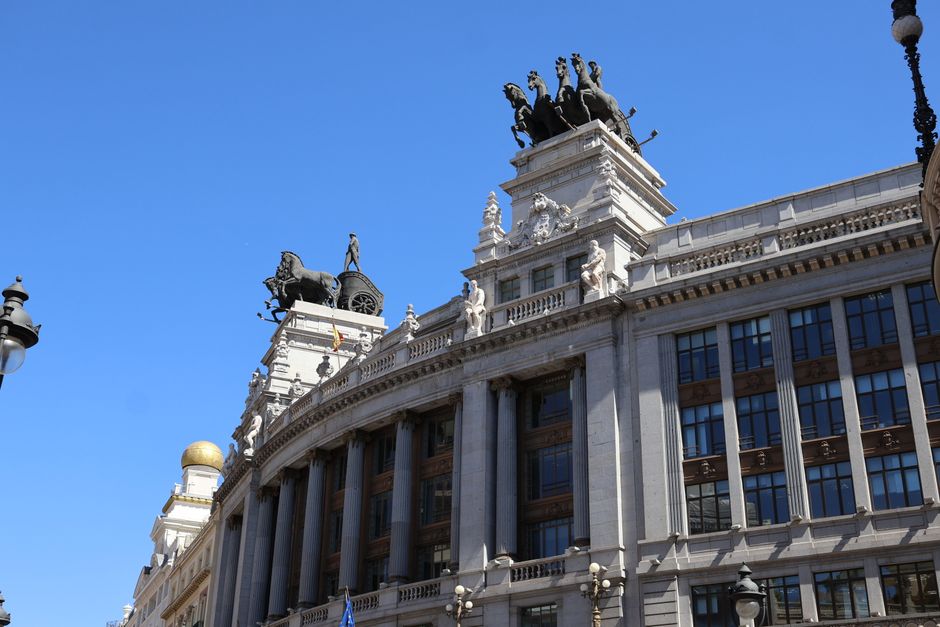
Walk down Calle Velarde in Malasaña on any given morning and you'll witness Madrid's cultural crossroads in real time. What was once a blank canvas for underground taggers has become contested territory—where street artists, property owners, and city planners are locked in a quiet but urgent battle over what the city's creative districts will look like in the next decade.
The tension is palpable. Just last month, a series of elaborate murals covering a four-storey building near Plaza del Dos de Mayo were painted over by property management without warning, sparking outrage across Madrid's art community and earning 47,000 shares on local Instagram accounts. The murals, created by a collective known for their environmental messaging, had drawn international attention and foot traffic to the neighbourhood. Yet the building's owners cited maintenance costs and liability concerns—a refrain heard increasingly across the city's most vibrant districts.
"What's happening now is a reshuffling of who gets to speak through the walls," explains the energy on social media from Madrid's creative circles. Rents in Malasaña have risen 34 percent since 2020, according to local property data, pushing out the younger artists and collectives who built the neighbourhood's reputation. Meanwhile, commercial entities and established galleries are moving in, transforming spontaneous street expression into curated, Instagram-friendly installations.
This shift extends beyond Malasaña. In Chueca, the traditionally LGBTQ+ neighbourhood, muralists report increased pressure to remove political messaging, replaced by sanitised designs palatable to luxury retailers opening along Calle Augusto Figueroa. Even Vallecas, long Madrid's working-class creative heart, is seeing a new wave of developers eyeing its warehouse spaces and underpass galleries.
Yet there are pockets of resistance. The collective La Pared Habla has secured a three-year agreement with the municipal government to maintain a legal mural zone spanning six blocks in San Blas-Canillejas, offering emerging artists formal space without bureaucratic obstruction. Community organisations like Intermediae continue pushing for creative rights policies. And younger muralists are adapting—moving between sanctioned and unsanctioned spaces, documenting their work obsessively online, treating ephemeral art as a statement against permanence itself.
The real conversation Madrid is having right now isn't about whether street art belongs in the city. It's about who decides what gets painted, and whether a city famous for its creative vibrancy can sustain that culture as property values soar. For now, the answer remains decidedly unfinished.
This article was compiled by AI from the sources linked above and screened before publishing. See our editorial standards.
How does this story make you feel?
Spread the word
About this article
Published by The Daily Madrid
Daily brief
Free, in your inbox before 7am. Weekdays.
More in culture