Madrid's Street Art Renaissance: The Emerging Voices Reshaping Urban Canvas
As established districts mature, a new generation of muralists and designers is claiming overlooked neighbourhoods and redefining what public art means in Spain's capital.
As established districts mature, a new generation of muralists and designers is claiming overlooked neighbourhoods and redefining what public art means in Spain's capital.
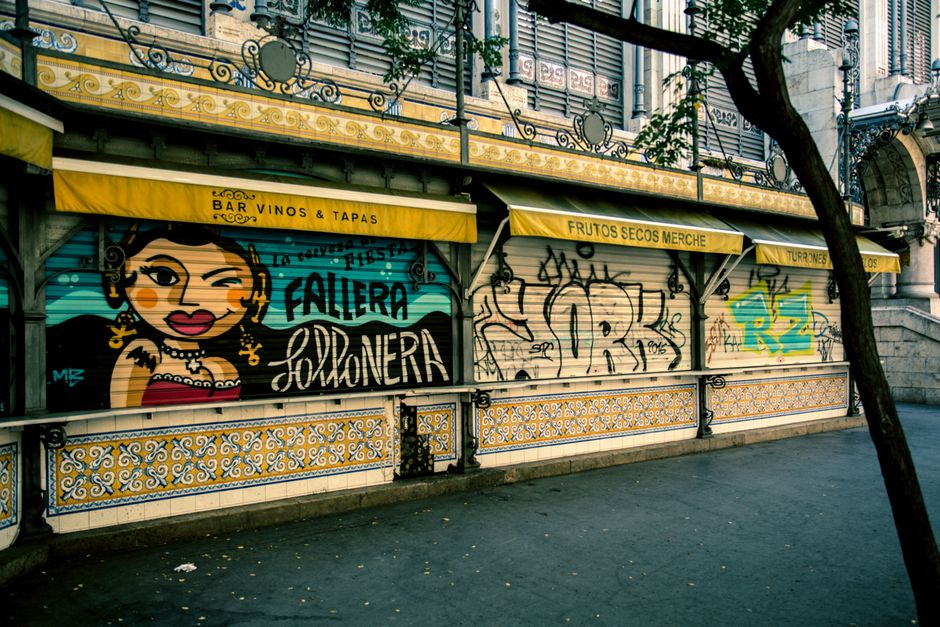
Walk through Malasaña on any given weekend and you'll find the walls saturated with recognisable names—but venture into the quieter corners of Vallecas, Puente de Vallecas, and the industrial stretches near Leganés, and a different story emerges. Here, a cohort of artists in their mid-twenties to early thirties is building what could be the city's next creative epicentre, operating outside the tourist-friendly frameworks that have calcified the central districts.
The shift reflects a broader pattern. While established venues like Galería Eko and initiatives along the Paseo de la Castellana continue to draw crowds, younger practitioners are increasingly drawn to less-polished territories where landlords are amenable and walls offer genuine creative freedom rather than curated authenticity. This year alone, over 40 new artist collectives have registered with Madrid's urban design networks—a 23 percent rise from 2024.
Vallecas, long associated with working-class identity and political muralism, is undergoing a stylistic evolution. The new wave combines hyperlocal storytelling with experimental typographic approaches and digital-age themes often absent from traditional street art discourse. Several studios have relocated from central Madrid to warehouse spaces here, drawn by affordable rents and the neighbourhood's willingness to embrace experimentation. A single studio rental that costs €1,200 monthly in Chueca now runs €400-600 in certain Vallecas pockets.
What distinguishes this emerging generation is their deliberate distance from the Instagram-optimised aesthetic that defined the 2015-2020 boom. These artists are exploring sculptural interventions, large-scale typographic installations, and collaborative works that blur boundaries between street art, design, and public activism. Several have begun documenting their process through independent publishing rather than social media—a deliberate rejection of algorithmic visibility.
The Madrid Ayuntamiento's revised street art regulations, implemented last year, have created conditional legality for certain neighbourhoods, though bureaucratic approval remains inconsistent. This ambiguity has paradoxically energised the community; constraints breed innovation. Emerging collectives like those operating across Usera and San Cristóbal are leveraging the grey zones to produce some of the city's most visually provocative work.
Young designers graduating from institutions like ESDIP Madrid are increasingly bypassing traditional gallery pathways entirely, choosing instead to build independent practices rooted in neighbourhood-specific projects. The shift signals a maturing creative ecosystem where street credentials and gallery representation are no longer mutually dependent.
For those tracking Madrid's cultural evolution, the periphery is where the conversation is happening now.
This article was compiled by AI from the sources linked above and screened before publishing. See our editorial standards.
How does this story make you feel?
Spread the word
About this article
Published by The Daily Madrid
Daily brief
Free, in your inbox before 7am. Weekdays.
More in culture