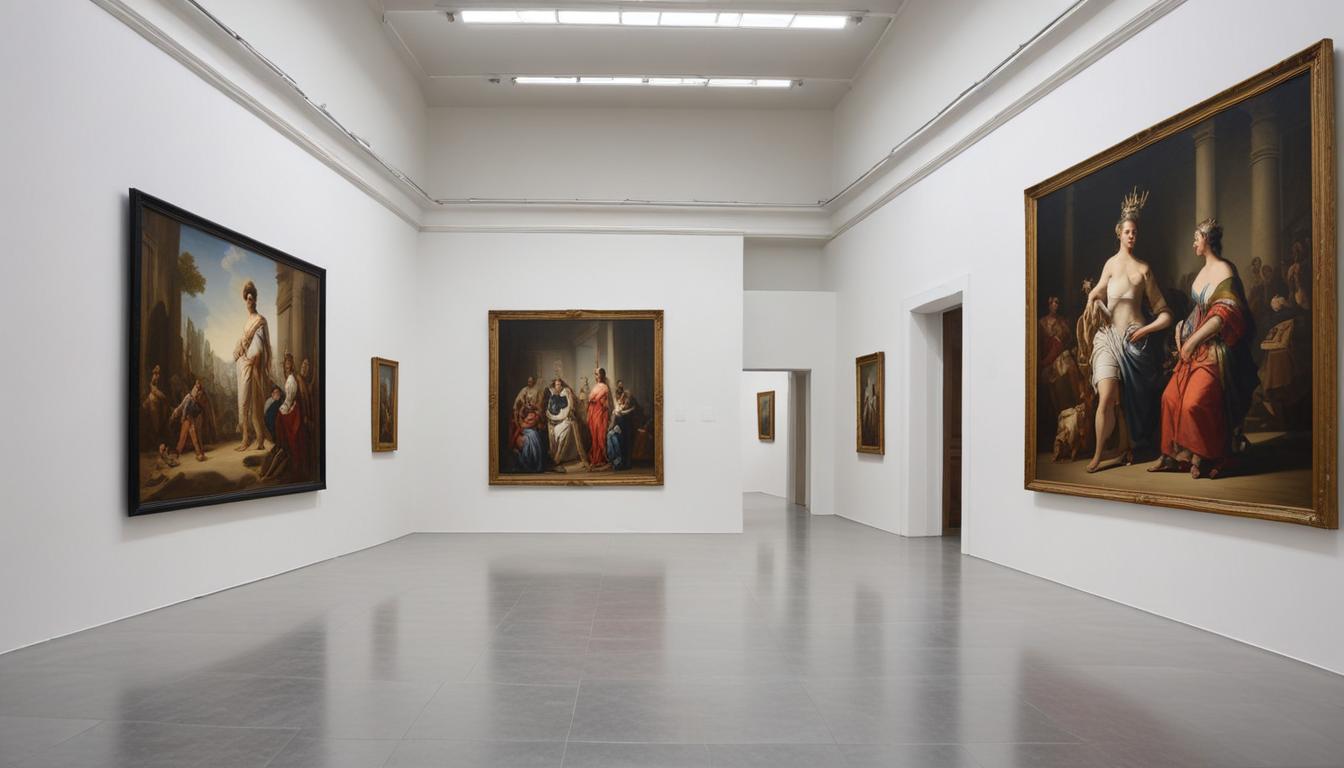
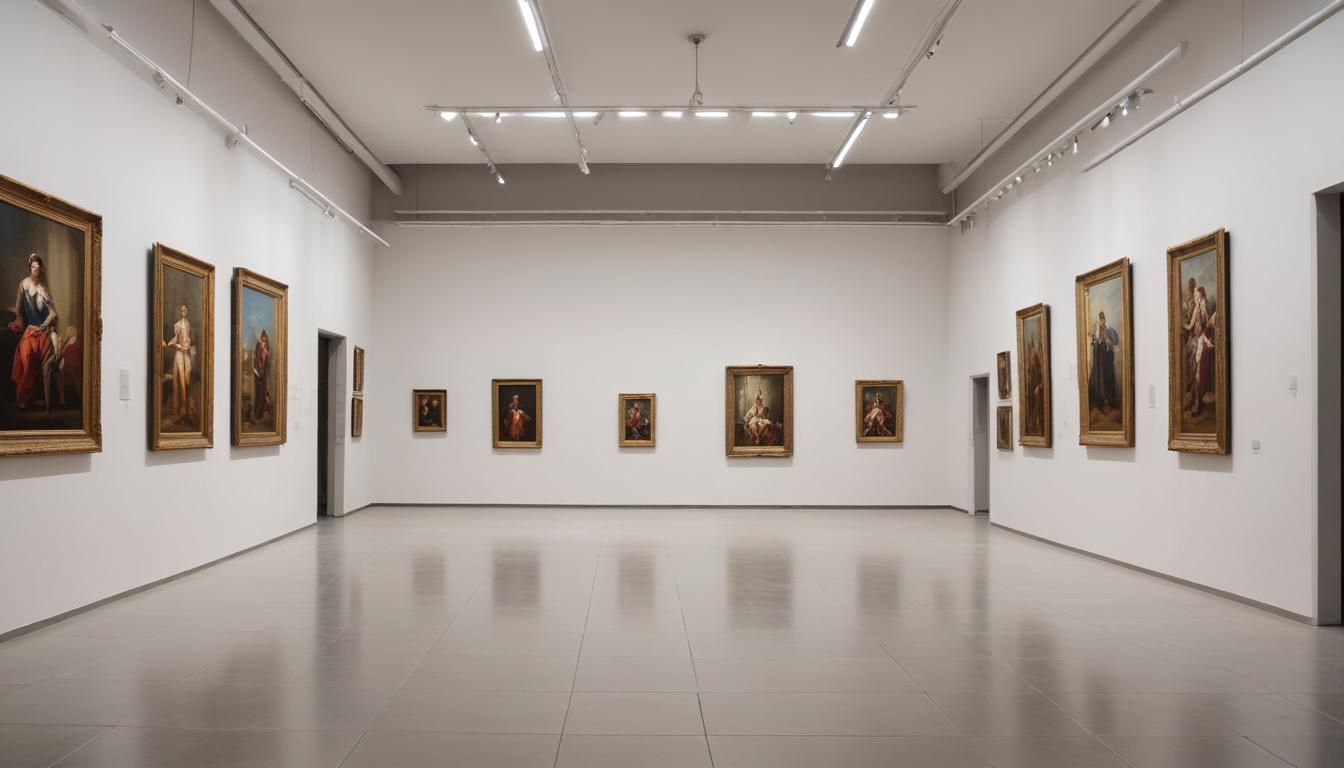
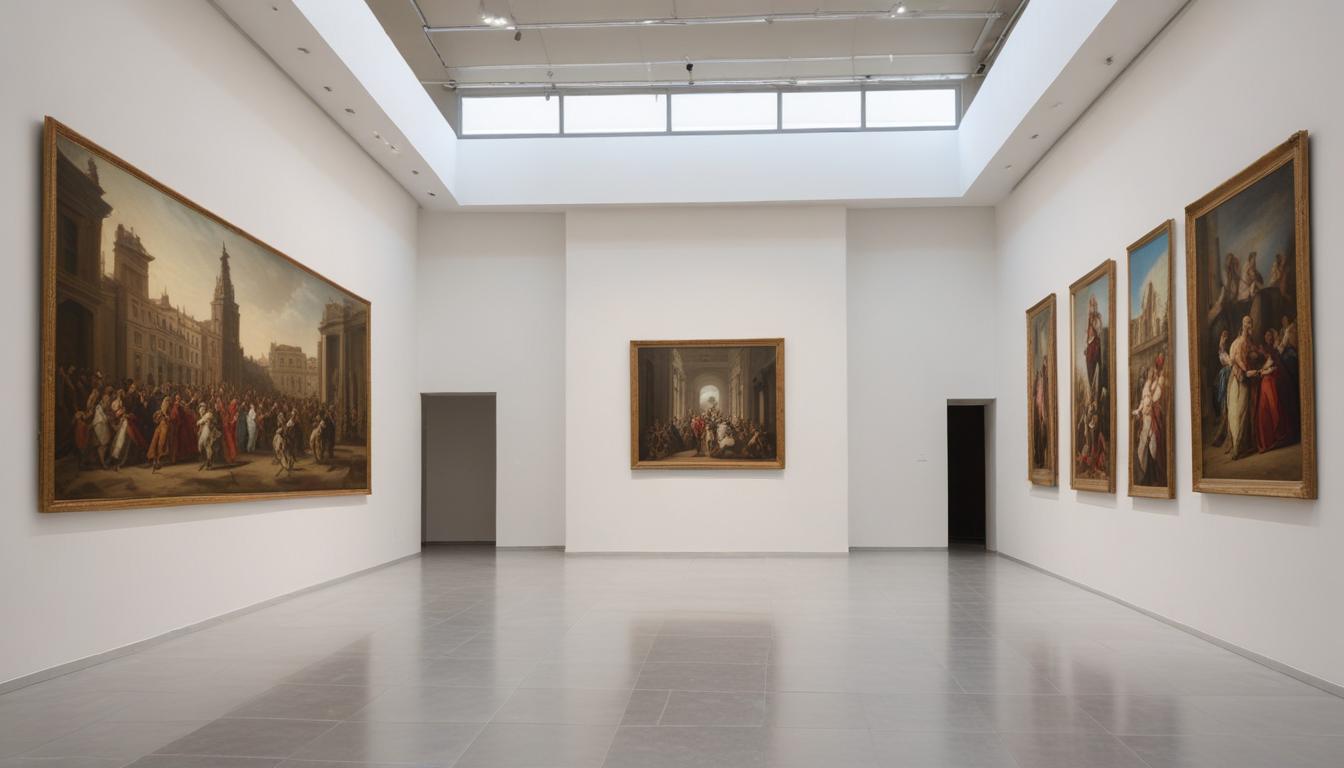
Walk down Calle Almirante on any Friday evening and you'll witness the fruits of thirty years of relentless ambition. The neighbourhood that once housed forgotten textile workshops now glows with gallery lights, its cobblestones worn smooth by collectors, students and curious locals making the weekly pilgrimage through Madrid's thriving contemporary art quarter.
But this transformation didn't happen by accident. Behind every polished white wall and carefully lit canvas stands a generation of cultural architects whose decisions, risks and sheer stubborn faith reshaped what Madrid could be.
The story begins in the 1990s, when a handful of independent curators began converting abandoned industrial spaces in Malasaña and Chueca into makeshift exhibition venues. These pioneers—many of whom now run established institutions—operated on shoestring budgets and genuine passion. They created the conditions for younger gallerists to take root, establishing the ecosystem that would eventually attract international attention.
Today, Madrid hosts over 400 registered galleries, with annual foot traffic exceeding 2.3 million visitors to major institutions. The Prado alone drew 2.1 million visitors last year, while contemporary spaces like those clustered around Plaza Santa Ana have become essential waypoints on the global art circuit.
The real innovation lies with the mid-tier operators—the gallery owners, independent curators and artist collectives occupying the space between commercial galleries and state museums. These figures, often working across Barrio de las Letras, Lavapiés and the booming Paseo de la Castellana corridor, have cultivated a distinctive Madrid sensibility: intellectually rigorous, deeply connected to Spanish artistic traditions, yet aggressively contemporary.
What distinguishes Madrid's scene from Barcelona or Bilbao is its collaborative infrastructure. The Asociación de Galerías de Arte de Madrid, founded in 1987, maintains open-door policies that encourage cross-pollination between commercial galleries and non-profit spaces. This horizontal structure—unusual for European art capitals—has prevented the calcification that plagues more hierarchical scenes.
The demographic shift matters too. A younger generation of curators, many trained abroad but choosing to base themselves in Madrid, brings international sophistication while maintaining deep roots in Spanish cultural discourse. They've made the city competitive for major exhibitions and artist residencies, fundamentally altering Madrid's cultural economics.
As we enter the summer season, galleries across the city will close their doors for August—a tradition that speaks to Madrid's human scale. Yet when those shutters reopen in September, the scene that greets visitors will once again reflect the vision of thousands of individuals who believed Madrid deserved to be counted among the world's truly great art cities.
This article was compiled by AI from the sources linked above and screened before publishing. See our editorial standards.