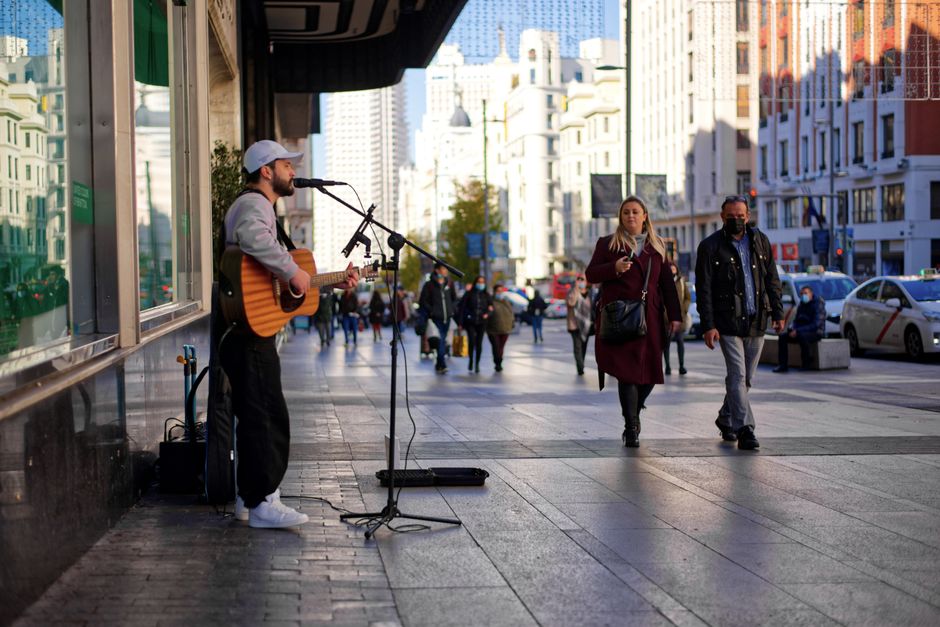
Walk through the narrow streets of Malasaña on any Thursday evening and you'll encounter a Madrid that refuses to whisper. Theatre troupes spill out of converted warehouses on Calle San Andrés. Independent cinema collectives screen films in repurposed storefronts. The neighbourhood has become the beating heart of the city's grassroots performance scene—a stark contrast to the gilded institutions that once defined cultural life in the Spanish capital.
This transformation reflects a fundamental shift in how Madrid sees itself. Where once the city's identity rested primarily on its museums—the Prado, Thyssen, Reina Sofía—the past five years have witnessed an explosion of live performance venues that operate with a distinctly democratic, often irreverent energy. According to the Madrid Culture Observatory, attendance at independent theatre productions increased by 34% between 2022 and 2025, while ticket prices at smaller venues averaged just €12, compared to €45 at established theatres.
The numbers tell only part of the story. What matters more is the cultural permission these venues have granted Madrileños to imagine themselves differently. At venues like La Boca, nestled in Chueca, or the experimental stages dotting Lavapiés, audiences encounter work that speaks to contemporary Spanish anxieties—migration, economic precarity, political fragmentation—with a rawness that feels urgent and necessary.
The municipal government's 2024 decision to allocate €8.2 million to independent performance spaces signalled an official recognition of what grassroots producers had long understood: that theatre and live art had become as essential to Madrid's identity as the café culture that precedes it. The investment funded 47 new venues and expanded access programmes that now reach 15,000 students annually.
Yet established institutions haven't been sidelined; they've evolved. The Teatro Real's recent programming partnerships with emerging directors and its residency programme for experimental companies have reinvigorated its reputation beyond traditional opera audiences. The Reina Sofía's new performance wing, opened in 2024, has become a laboratory where visual art and live performance collide.
What emerges from this ecosystem—this collision between the experimental and the established, the grassroots and the institutional—is a Madrid that finally looks like it sounds. The city's cultural identity, once mediated through static objects hung on museum walls, now pulses through bodies on stages, through voices in darkened rooms, through the collective gasp of an audience recognising itself on stage. For a city that spent decades looking backward at its Golden Age, performing arts have given Madrid permission to become something new.
This article was compiled by AI from the sources linked above and screened before publishing. See our editorial standards.