From Bohemian Refuge to Global Hub: How Madrid's Cultural Scene Reinvented Itself
A journey through decades of transformation—from Franco-era underground gatherings to today's internationally celebrated creative powerhouse.
A journey through decades of transformation—from Franco-era underground gatherings to today's internationally celebrated creative powerhouse.
Madrid's cultural identity didn't emerge fully formed from the Retiro's gardens. It was forged in basement jazz clubs, scribbled on café napkins in Malasaña, and defiantly staged in converted warehouses when official channels remained closed. Today, as the city attracts 10 million visitors annually and hosts galleries worth an estimated €2.3 billion in art inventory, understanding this evolution reveals something essential about how Madrid became itself.
The Movida Madrileña of the 1980s is often credited as the cultural rebirth—and rightly so. But the seeds were planted earlier, in the post-civil war decades when creative expression was strictly controlled. Underground cinema societies met in private homes; musicians rehearsed in soundproofed garages; writers circulated manuscripts hand-to-hand. When restrictions gradually loosened in the late 1970s, the suppressed energy exploded across Plaza Mayor, through the narrow streets of La Latina, and most memorably, across Malasaña and Chueca, where squatted buildings became galleries and performance spaces.
The transformation of Chueca—now valued at approximately €12,000 per square metre for residential property—exemplifies this evolution. What was a working-class, marginalised neighbourhood became Madrid's artistic epicentre by the 1990s, home to independent bookstores, cutting-edge theatres, and design studios. Similarly, Malasaña's Gran Vía and surrounding plazas evolved from bohemian refuge to curated cultural district, yet managed to retain much of its gritty authenticity.
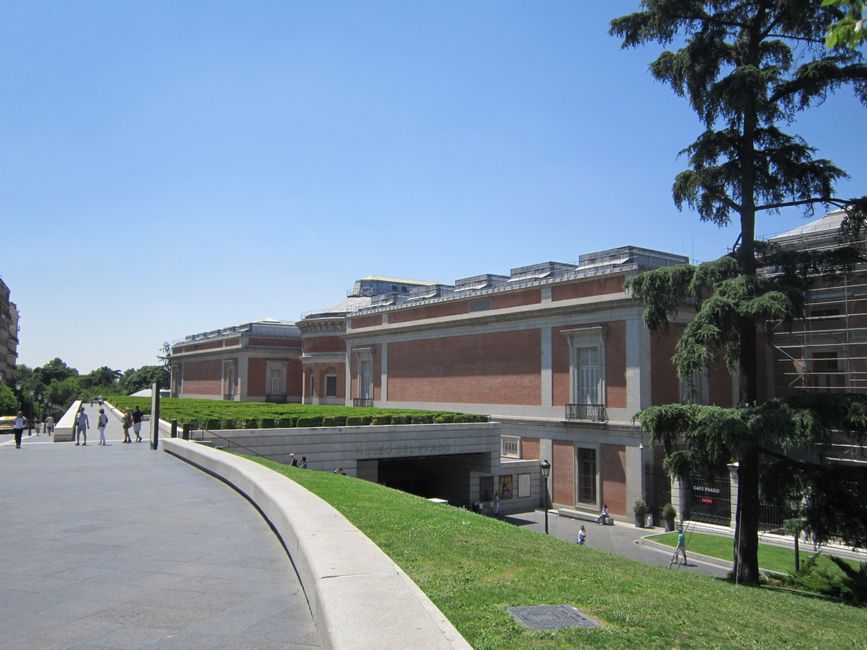
Institutional support came later. The Museo Reina Sofía, established in 1990, helped legitimise Madrid's contemporary art scene internationally. Yet the real cultural engine continued humming in smaller venues: the intimate Espacio Fundación Telefónica on Gran Vía, the experimental programming at Matadero Madrid—a converted slaughterhouse turned creative complex—and countless independent galleries clustered along Calle Doctor Fourquet in Lavapiés.
What distinguishes Madrid's evolution is how it balanced professionalisation with preservation of its rebellious spirit. Unlike cities that gentrified away their bohemian roots, Madrid created institutional infrastructure while maintaining neighbourhood-level cultural autonomy. The Teatro Abada in Chamberí, the Círculo de Bellas Artes on Alcalá, and countless community centres continue programming alongside multinational cultural corporations.
Today's challenge mirrors Madrid's historical struggle: maintaining cultural vitality as real estate prices soar (doubling in Malasaña alone over the past decade) and corporate interests multiply. Yet the city's DNA—born from underground resistance, nurtured through creative collaboration, and tested by market pressures—suggests Madrid will continue inventing new spaces where culture can flourish, just as it always has.
This article was compiled by AI from the sources linked above and screened before publishing. See our editorial standards.
How does this story make you feel?
Spread the word
About this article
Published by The Daily Madrid
Daily brief
Free, in your inbox before 7am. Weekdays.
More in culture