Madrid's Living History: What Every Visitor Must Know About the City's Cultural Heart
From medieval quarters to Golden Age palaces, Madrid's layered identity reveals itself to those who know where to look.
From medieval quarters to Golden Age palaces, Madrid's layered identity reveals itself to those who know where to look.
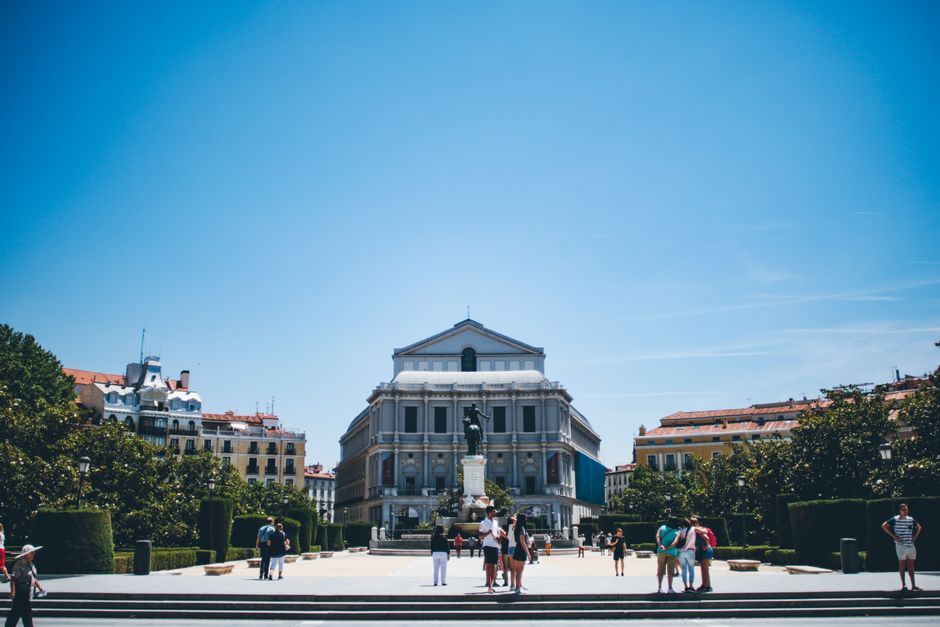
Madrid's cultural identity doesn't announce itself with fanfare—it whispers from the cobblestones of La Latina, echoes through the Prado's hushed galleries, and pulses in the neighbourhoods where ordinary Madrileños live their lives. For visitors seeking authentic engagement with this city's heritage, understanding how past and present coexist is essential.
Start in La Latina, Madrid's medieval core, where narrow streets like Calle de los Mancebos wind between centuries-old buildings. This neighbourhood predates modern Madrid itself, its tangled layout a remnant of Islamic settlement patterns that dominated before Christian reconquest in 1085. The Plaza Mayor, completed in 1619, remains the neighbourhood's gravitational centre—a 24,000-square-metre testament to Habsburg grandeur that locals and visitors still navigate daily, whether buying produce at the Sunday El Rastro market or nursing €3 café con leches beneath the arcades.
The museum triangle—Prado, Reina Sofía, and Thyssen-Bornemisza—represents Madrid's role as a global cultural capital. But most visitors miss the context: these collections weren't acquired by accident. The Prado, founded 1819, was built to showcase royal acquisitions spanning centuries of Spanish dominance. Entry costs €15 (free after 6pm on weekdays), though understanding that Velázquez's Las Meninas was commissioned by a 17th-century Habsburg king transforms mere looking into historical dialogue.
Beyond the obvious: explore the Biblioteca Nacional de España on Paseo de Recoletos, where manuscripts tracing Spain's intellectual history sit alongside contemporary cultural exhibitions. It's free to wander the public spaces. The neighbourhood of Chamberí, north of the city centre, contains shuttered Metro stations from the Spanish Civil War—atmospheric reminders that Madrid's 20th century was fractured and traumatic in ways visitors should understand before appreciating the city's current vibrancy.
Don't miss the Real Academia Española on Calle de Felipe IV, custodian of Spanish language itself since 1713. Guided tours (booking essential) reveal how institutional culture-keeping functions in Madrid, far from tourist circuits.
Finally, recognise that Madrid's identity is fundamentally about layers: Moorish foundations, Christian conquest, Habsburg ambition, Civil War rupture, and post-Franco reinvention as Europe's energetic cultural hub. The city's current confidence—its design scene, food culture, and creative reputation—emerges precisely because Madrileños have processed rather than erased their complicated past.
Visit with this knowledge, and you'll understand why locals fiercely claim this city as more than a museum. It's a living argument about Spanish identity itself.
This article was compiled by AI from the sources linked above and screened before publishing. See our editorial standards.
How does this story make you feel?
Spread the word
About this article
Published by The Daily Madrid
Daily brief
Free, in your inbox before 7am. Weekdays.
More in culture