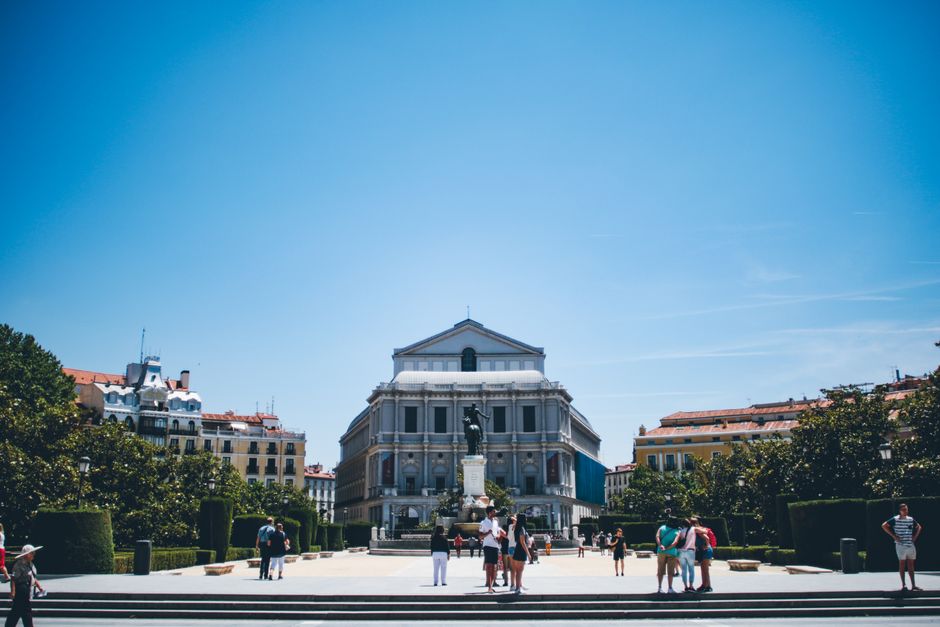
Walk down Calle del Espíritu Santo in Malasaña on any Thursday night, and you'll find yourself navigating packed rooms where emerging artists command stages that major labels are only now beginning to notice. Madrid's live music ecosystem has undergone a quiet but unmistakable transformation over the past eighteen months, with grassroots venues becoming incubators for talent that refuses to fit neatly into established categories.
The shift reflects both economic necessity and artistic ambition. As ticket prices at major venues like the WiZink Center and Palacio Vistalegre continue climbing—premium seats now regularly exceed €80—smaller spaces have become sanctuaries for experimentation. Venues like El Sótano de Lavapiés and the collective-run Casa Invisible have become de facto laboratories where hip-hop artists collaborate with classical musicians, electronic producers layer traditional Spanish instruments, and singer-songwriters deconstruct what ballads can be.
Data from Madrid's independent venue association shows a 34% increase in shows under 500 capacity since 2024, with average attendance climbing from 180 to 240 per event. Ticket prices at these spaces typically range from €10 to €20, making them accessible to the city's younger demographics while still sustaining operations. The economics are lean but sustainable, particularly when venues leverage streaming partnerships and merchandise.
What distinguishes this wave from previous cycles is its internationalism and genre fluidity. Artists emerging from Madrid's circuit increasingly draw influences from Afrobeats, UK garage, and Latin trap, blending them with Spanish linguistic traditions and Mediterranean sensibilities. Several acts who performed in intimate Madrid venues last year—artists working in the 5,000-15,000 follower range on streaming platforms—now tour consistently across European festivals.
The neighborhood factor matters considerably. Malasaña and Lavapiés have become linked to this movement in ways that transcend geography. These areas, historically working-class and immigrant-heavy, have developed creative ecosystems where cross-cultural collaboration feels natural rather than forced. Local government support for cultural spaces, while modest by European capital standards, has helped stabilize venues during post-pandemic recovery.
For Madrid's culture observers, the question isn't whether this emerging wave will eventually reach mainstream visibility—trajectory suggests several will. Rather, the real story is how the city is producing artists who seem fundamentally uninterested in that equation. These musicians are building sustainable careers through direct fan relationships, collaborative projects, and disciplined creative output. That might be the most significant shift of all: talent that refuses to wait for permission to exist.
This article was compiled by AI from the sources linked above and screened before publishing. See our editorial standards.