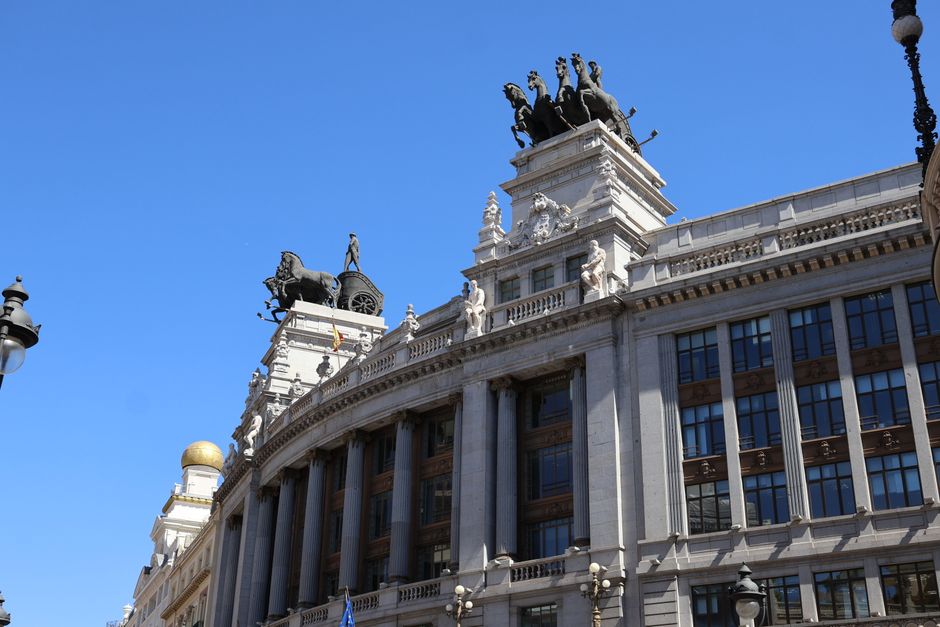
Walk through Sol on any given weekend in June and you'll find yourself in a city that's learned to speak fluently in the language of festivals. This is no accident. Madrid's transformation from a capital that once relied heavily on museum tourism into a city known for its living, breathing cultural calendar has become the defining characteristic of how the city sees itself.
The numbers tell the story. According to Madrid Destino, the city hosts over 450 major cultural events annually—up 37 percent from 2019. But the real shift isn't quantitative; it's qualitative. Events like Veranos de la Villa, which sprawls across seventeen venues from the Teatro Real to the Matadero Madrid arts complex, have become less about entertainment programming and more about asserting what Madrid believes about itself: that culture isn't something consumed passively but created collectively across class and neighbourhood lines.
This June's iteration particularly reflects this. The Festival de Otoño (technically autumn, but its planning season dominates summer culture calendars) programming already includes work from seventeen countries, deliberately anchored in Madrid's neighbourhoods rather than concentrated in the touristy centre. The Conde Duque cultural centre in Malasaña, once a working-class district now navigating gentrification pressures, hosts programming that explicitly interrogates urban identity and displacement. It's not incidental; it's ideological.
The economics matter too. Cultural festivals now generate an estimated €180 million annually for Madrid's economy—but more significantly, they've created pathways for artists and cultural workers who might otherwise migrate. The proliferation of independent venues—from the La Boca del Lobo theatre space in Lavapiés to smaller gallery clusters in Arganzuela—suggests a creative class that's choosing to stay and build here rather than follow opportunities elsewhere.
What distinguishes Madrid's approach from other European capitals is its refusal of hierarchy. While Berlin has Berlinale and Venice has its Biennale, Madrid's identity increasingly rests on distributed cultural intensity: neighbourhood festivals, underground music series, artist-run spaces operating on shoestring budgets alongside major institutional productions. A neighbourhood like Vallecas, historically working-class and politically distinct, now hosts its own micro-festivals that draw city-wide attention.
As Madrid navigates post-pandemic recovery and grapples with housing costs and gentrification, the festival calendar has become something unexpected: a statement about what the city values. Not heritage preserved in amber, but culture as an ongoing, contentious, neighbourhood-by-neighbourhood negotiation about who Madrid is becoming.
This article was compiled by AI from the sources linked above and screened before publishing. See our editorial standards.