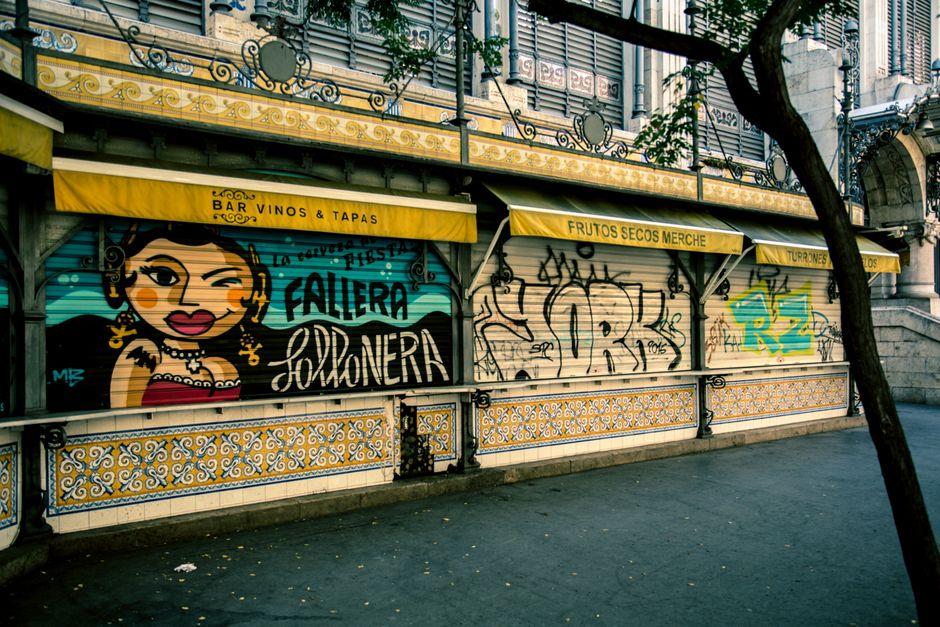
Walk down Calle del Espíritu Santo in Malasaña today and you'll encounter a paradox that defines contemporary Madrid: meticulously maintained murals behind velvet ropes, Instagram-ready tags, and gallery plaques crediting the artists. It's a far cry from the 1990s, when this neighbourhood was synonymous with illegal interventions, police raids, and the raw energy of anti-establishment expression.
Madrid's street art evolution mirrors the city's broader transformation. What began as isolated acts of artistic defiance in the post-Franco era—when young madrileños reclaimed urban space through paint—has crystallised into a globally recognised movement that now attracts design students, collectors, and tourism boards in equal measure. The shift didn't happen overnight, but it accelerated dramatically after 2010, when street art gained institutional legitimacy through city-backed initiatives and the emergence of commercial galleries focused exclusively on the medium.
The Malasaña district remains the spiritual epicentre, with Calle Amparo and surrounding streets functioning as an open-air museum of evolving aesthetics. But the geography has expanded significantly. Lavapiés, once Madrid's most economically marginalised neighbourhood, has become a secondary hub following decades of migration-driven cultural richness; its walls now showcase artists engaging with themes of identity and displacement. Meanwhile, the industrial corridors along the Manzanares riverfront—particularly near the Matadero cultural centre—have emerged as experimental zones where large-scale commissions dominate.
Current estimates suggest Madrid hosts over 2,000 commissioned murals across recognised districts, with street art tours now generating roughly €4 million annually in tourism revenue. This commercialisation has created uncomfortable questions about authenticity. Some argue that the formalisation—permits required, price tags attached, municipal oversight—has neutered the rebellious spirit that defined the scene's origins. Others contend that institutional support has professionalized the craft, attracting international talent and establishing Madrid as a peer to Berlin or Barcelona in street art circles.
The tension reflects a broader pattern. Organisations like La Pared Salvaje and initiatives such as the annual Madrid Street Art Project have successfully bridged underground and mainstream worlds, offering emerging artists legitimate platforms while maintaining creative independence. Art schools now teach street art as serious discipline rather than criminal pursuit.
Today's question isn't whether street art belongs in Madrid—it's definitively woven into the city's identity. Rather, it's how the scene maintains creative vitality as it becomes systematised. That conversation, happening in studios and on walls across Malasaña and Lavapiés, will likely define the next chapter of this restless, evolving tradition.
This article was compiled by AI from the sources linked above and screened before publishing. See our editorial standards.