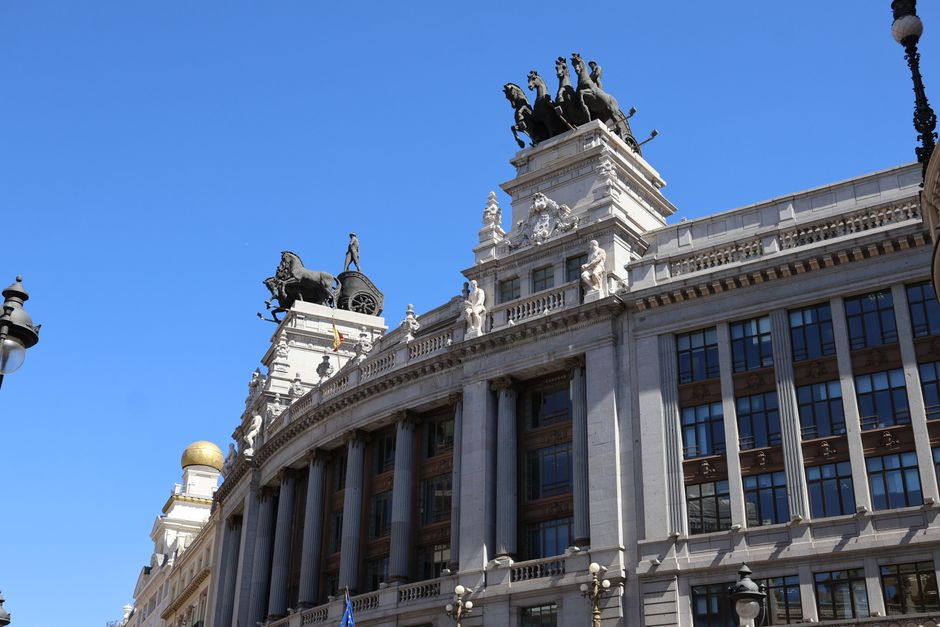
Walk through the Barrio de las Letras on any given afternoon and you'll notice something has changed. The independent design studios that once clustered along Calle de Cervantes now advertise augmented reality fittings alongside their window displays. It's symptomatic of a broader transformation: Madrid's fashion and creative industries are undergoing a digital revolution that's forcing designers to rethink everything from production to consumer engagement.
The catalyst, industry insiders say, is the declining relevance of traditional fashion weeks. After IFEMA's Madrid Fashion Week attendance dropped 22% between 2023 and 2025—a figure that alarm Madrid's Chamber of Commerce—the city's creative sector began experimenting with hybrid models. Today, emerging designers in Malasaña are launching collections through virtual showrooms and direct-to-consumer digital platforms, bypassing gallery gatekeepers entirely.
Barrio itself has become a testing ground. The neighbourhood's concentration of young designers and tech startups—estimated at over 150 creative businesses in a three-block radius—has created what locals call "Silicon Valley's Spanish cousin." Studios in converted apartments along Calle del Espíritu Santo now function as design laboratories, where AI tools assist pattern-making and sustainability consultants work alongside seamstresses.
The economics tell a striking story. Madrid's creative industries contributed €4.2 billion to the regional economy in 2024, up from €3.6 billion in 2021—growth that defies the slowdown elsewhere. Yet production costs have shifted dramatically. Digital design reduces waste by an estimated 30% compared to traditional sampling methods, a selling point as both designers and consumers become more environmentally conscious.
Not everyone embraces the transition. Established houses in the upscale Salamanca district have largely resisted digital experimentation, clinging to atelier traditions that have defined Madrid fashion for decades. Yet even there, younger creative directors are integrating metaverse presence and blockchain authentication into heritage brands' strategies.
The transformation extends beyond individual designers. Public institutions have noticed. The Museo del Traje recently launched an "Emerging Digital Designers" residency programme, and the city council has allocated €2.3 million toward creative industry digital infrastructure through 2027.
What's happening now isn't the death of Madrid fashion—it's evolution at accelerated speed. The designers talking loudest aren't mourning the old model; they're capitalizing on a moment when digital access democratizes creativity, when a talented newcomer in Usera can reach Paris buyers without a Milan showroom, and when artificial intelligence becomes another tool in the creative toolkit, not a threat to it.
This article was compiled by AI from the sources linked above and screened before publishing. See our editorial standards.