Madrid's gallery and museum landscape has undergone a quiet transformation over the past five years, with traditional institutions alongside neighbourhood galleries creating what locals now call the 'distributed museum experience'. Whether you're a first-time visitor or returning enthusiast, understanding how to navigate this sprawling cultural ecosystem will dramatically enhance your experience.
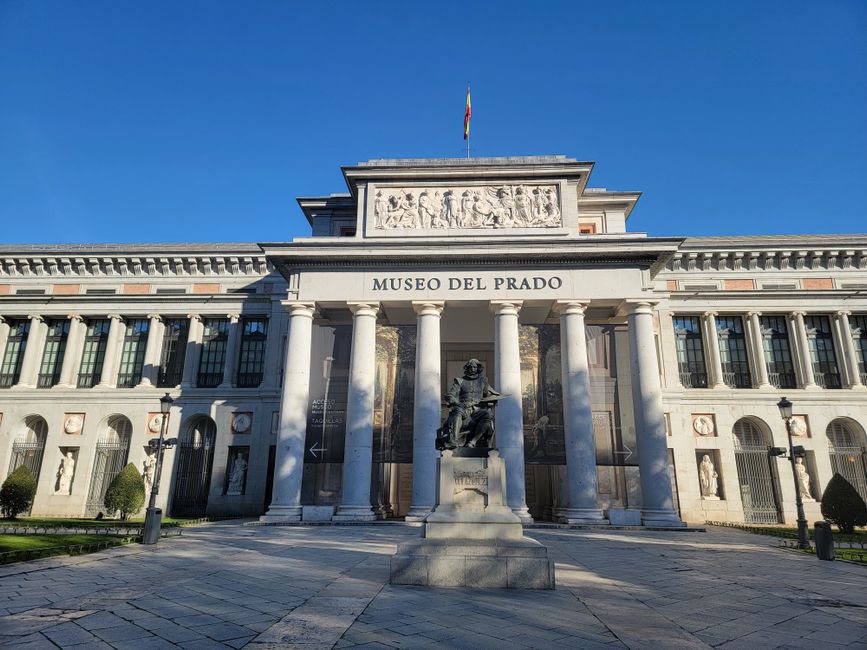
Start with the 'Golden Triangle of Art'—the Prado, Reina Sofía, and Thyssen-Bornemisza museums clustered within walking distance along the Paseo del Prado. The Prado remains non-negotiable for anyone serious about European painting; budget four hours minimum and arrive by 9am to beat queues. Adult entry runs €16 (€8 reduced). The Reina Sofía houses Picasso's Guernica and contemporary works; entry is €12. The Thyssen-Bornemisza, often overlooked by casual visitors, offers an extraordinary private collection spanning Italian Renaissance to Pop Art—€14 entry—and feels refreshingly less crowded than its neighbours.
Beyond the triangle, neighbourhood galleries deserve equal attention. Malasaña's gallery cluster along Calle Espíritu Santo and surrounding streets showcases emerging Spanish and international artists in former industrial spaces. This is where Madrid's authentic contemporary art conversation happens, with many galleries free to enter. Similarly, the Reina Sofía's satellite location Espacio Joven, also in Malasaña, programmes experimental work and performance art.
Practical intelligence: purchase a Paseo del Prado annual pass (€30) if staying more than four days—it covers all three major museums and includes priority entry. Museums close Mondays (except Reina Sofía, open Mondays 4-9pm). Free entry slots exist: Reina Sofía offers complimentary access 7-9pm weekdays and Saturday afternoons; the Prado runs reduced-price hours 6-8pm weekdays.
Don't miss the Museo Lázaro Galdiano on Calle Serrano—a jewel housing 13,000 artworks in a belle-époque mansion. At €5, it's Madrid's best-kept secret. The Sorolla Museum, former studio of painter Joaquín Sorolla in Chamberí neighbourhood, captures the intimacy of artistic life in early 20th-century Madrid.
Summer 2026 brings expanded evening hours across major institutions, recognizing how Madrileños actually visit galleries—after 8pm when heat breaks. Plan accordingly. Book timed entries for the Prado online (small fee avoids hour-long queues). Allow yourself to wander Malasaña's backstreets between gallery visits; the neighbourhood's energy, independent bookshops, and terraces matter as much as the art itself. This is how Madrid's cultural life actually functions—less monumental pilgrimage, more engaged neighbourhood discovery.
This article was compiled by AI from the sources linked above and screened before publishing. See our editorial standards.