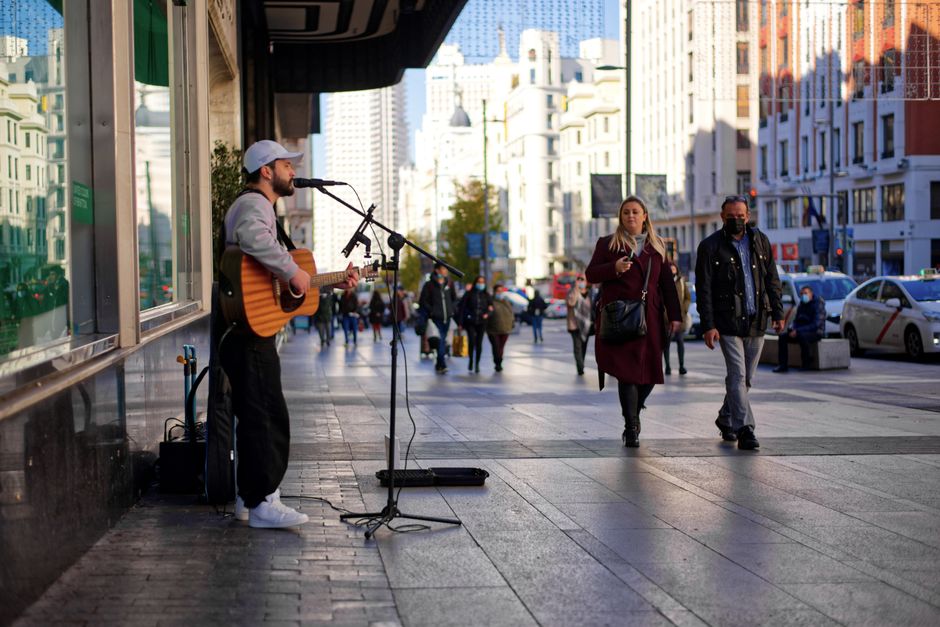
Walk through Malasaña on a Thursday evening and you'll hear it before you see it—vinyl crackling from La Pájara Pinta, the venue collective that has become the neighbourhood's cultural heartbeat. Three years ago, this corner of Madrid's independent music scene barely existed. Today, it represents something far larger: a deliberate, community-driven shift away from the impersonal economics of stadium touring toward neighbourhood-based cultural ecosystems.
The numbers tell a revealing story. According to data from Madrid's Association of Independent Venues (AMVI), founded in 2023, there are now 47 active grassroots performance spaces across the city, up from just 12 in 2020. Average ticket prices at these venues hover around €12–€18, compared to €45–€80 at major commercial halls. More significantly, 73% of audiences at these spaces live within the same district, fundamentally redefining what 'live music community' means in an era of algorithmic playlists and digital isolation.
The movement gained real momentum when organisers in Chueca, Sol, and Lavapiés began formalising informal networks. Spaces like Sala Equis in Lavapiés and the artist-run collective El Rastro Sound Lab started hosting regular programming, attracting emerging Spanish acts alongside international DIY touring bands. What distinguished this from nostalgia-driven retro-ism was explicit intention: these weren't vintage-obsessed operators, but younger promoters deliberately building infrastructure for artists priced out of traditional booking circuits.
Crucially, the movement intersected with Madrid's housing crisis and cultural gentrification anxieties. By anchoring live music in existing neighbourhood fabrics—churches, civic centres, cooperative bookshops—organisers created spaces that functioned as cultural anchors against displacement. The Hortaleza district saw 11 new micro-venues open between 2024–2025, many explicitly designed as community gathering points, not profit-maximising entertainment products.
Industry professionals have noticed. Festival programmers now scout Madrid's independent circuit for emerging talent. International touring collectives have begun routing shows through these smaller venues, discovering they move more genuine ticket volume than expected. The data is striking: venues with 100–300 capacity operating three nights weekly now rival larger halls' annual attendance figures.
What's driving this isn't a single charismatic figure or corporate backing. It's structural: a generation of musicians, sound technicians, and cultural workers responding to real economic constraints by building alternative systems. They've created something the major venues cannot—genuine neighbourhood presence, affordable access, and programming decisions made by people who actually live in these communities.
Madrid's cultural landscape is being rewritten not from above, but from the streets themselves.
This article was compiled by AI from the sources linked above and screened before publishing. See our editorial standards.