Your Complete Guide to Madrid's Best Gallery and Museum Experiences Right Now
From the Prado's latest acquisitions to emerging spaces in Malasaña, here's where to spend your summer discovering Madrid's thriving visual culture scene.
From the Prado's latest acquisitions to emerging spaces in Malasaña, here's where to spend your summer discovering Madrid's thriving visual culture scene.
Madrid's museum landscape has undergone a quiet renaissance this year, with established institutions refreshing their collections while scrappy independent galleries continue reshaping neighbourhoods like Malasaña and Lavapiés. Whether you're a seasoned collector or casual visitor, summer 2026 offers unprecedented access to the city's visual culture.
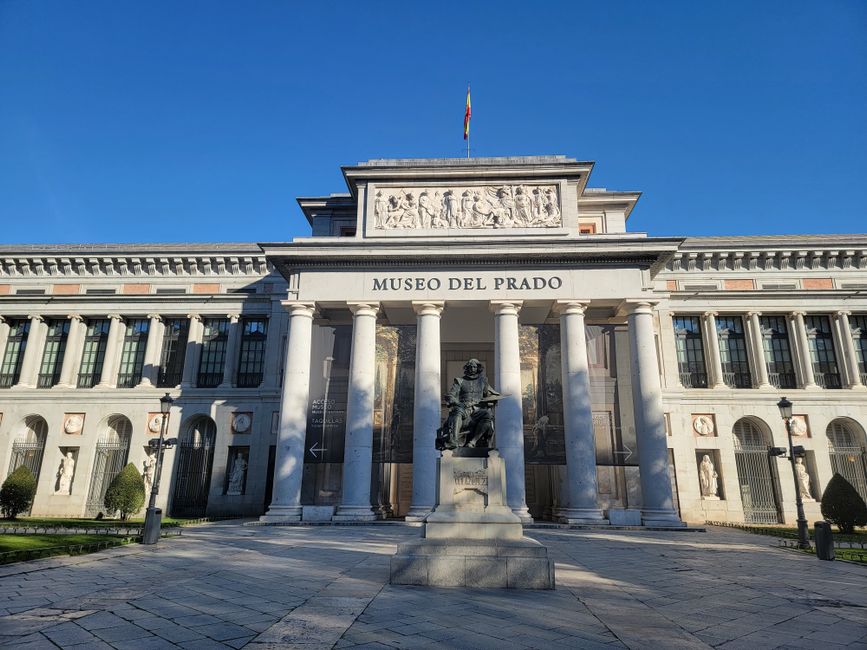
Start with the heavyweight institutions on the Paseo del Prado. The Prado Museum remains essential—its recent rotating exhibitions draw nearly three million visitors annually—but arrive early to beat crowds. Entry costs €15 for adults, with free entry available 6pm-8pm weekdays for EU citizens. The Reina Sofía, just northeast on Calle Santa Isabel, deserves equal attention; its contemporary focus and rooftop views justify the €12 admission. Don't miss the Thyssen-Bornemisza completing the Golden Triangle of Art—€14 grants you access to one of Europe's finest private collections turned public treasure.
Beyond the trinity, neighbourhood galleries tell Madrid's real story. In Malasaña, independent spaces cluster densely around Calle Espíritu Santo and nearby side streets. Galería Moriarty, Sala Rekalde, and Project Space continue championing experimental work from emerging Spanish and Latin American artists—most exhibitions are free or cost under €5. This area pulses with authenticity that major museums, by necessity, cannot match.
Lavapiés, traditionally working-class and now rapidly gentrifying, hosts galleries-cum-community-spaces that blur boundaries between commerce and culture. Organisations like La Tabacalera occupy reclaimed buildings, mixing exhibitions with workshops, film screenings, and artist residencies. Entry is typically free, reflecting their mission-driven ethos.
For photography enthusiasts, the Fundación Mapfre on Paseo Recoletos showcases internationally significant exhibitions—recent programming featured retrospectives of canonical twentieth-century photographers. At €8, it represents remarkable value for curatorial sophistication.
Summer hours matter: most municipal museums extend evening opening until 8pm through August, ideal for avoiding heat and daytime congestion. Many neighbourhoods also host informal street art tours; while unregulated, local guides typically charge €15-20 and reveal Instagrammable murals across Arganzuela and Puente de Vallecas that official tourism overlooks.
The scene's vitality stems partly from institutional accessibility—Spain's cultural ministry continues subsidising entry for residents—and partly from younger curators and artists who rejected London and Berlin for Madrid's lower costs and growing international recognition. This summer, that combination produces remarkable diversity: from canonical Old Masters to cutting-edge installations, all within accessible distance on Metro line 1. Plan three days minimum to scratch the surface.
This article was compiled by AI from the sources linked above and screened before publishing. See our editorial standards.
How does this story make you feel?
Spread the word
About this article
Published by The Daily Madrid
Daily brief
Free, in your inbox before 7am. Weekdays.
More in culture