The Architects of Appetite: How Madrid's Food Rebels Built a Global Scene
From clandestine supper clubs to Michelin-starred temples, the visionaries reshaping Spanish gastronomy reveal how a generation transformed Madrid's eating culture.
From clandestine supper clubs to Michelin-starred temples, the visionaries reshaping Spanish gastronomy reveal how a generation transformed Madrid's eating culture.
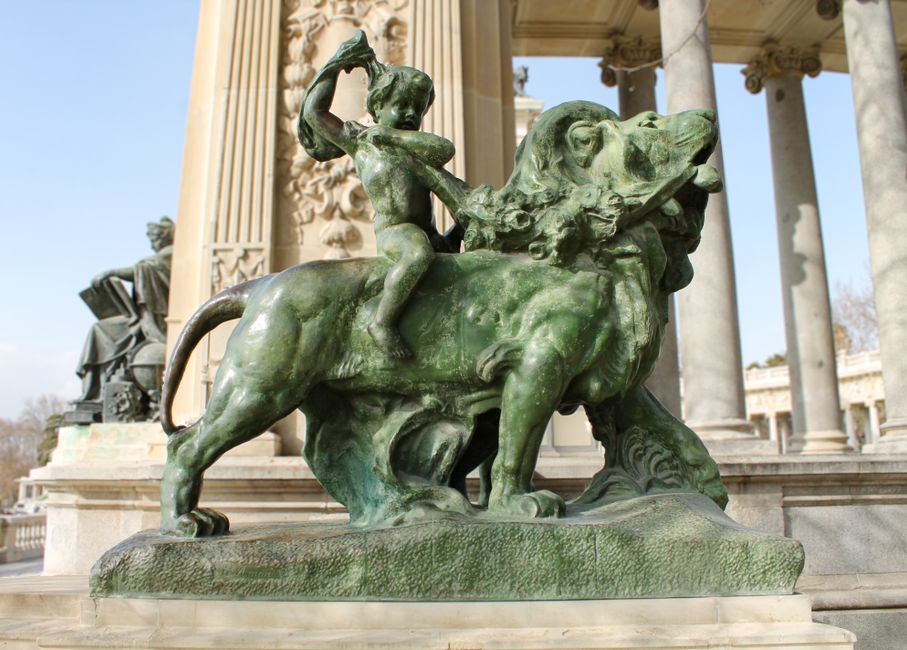
Walk through La Latina on any Thursday evening and you'll witness the remnants of a quiet revolution. The narrow streets around Plaza Mayor pulse with energy—not from tourists queueing at chain restaurants, but from something far more intentional: a food culture engineered by dreamers who refused to accept Madrid's reputation as a culinary afterthought to Barcelona and San Sebastián.
Twenty years ago, Madrid's restaurant scene was dominated by regional Spanish standards and international chains. Then came the architects of change: ambitious young chefs and entrepreneurs who began experimenting in converted warehouses in Malasaña and pop-up spaces across Chueca. These weren't established names; they were culinary insurgents willing to mortgage homes and sleep in restaurant kitchens to build something authentic.
Today, that underground movement has matured into an ecosystem. Coque, located off Paseo de la Castellana, represents the new guard—technical precision married to Spanish ingredients—where tasting menus now command €95 per person. But equally important are the mid-range establishments that emerged from that same creative impulse: vermuteries on Calle de Relatores where €2.50 buys you jamón and wine, craft-focused pintxo bars experimenting with molecular techniques on plates barely wider than your palm.
The transformation extended beyond fine dining. Madrid's bar culture—historically dominated by working-class taverns serving tortilla española—was infiltrated by mixologists studying molecular gastronomy. By 2019, Madrid had established itself as Spain's cocktail capital, with venues like those clustered around Plaza Santa Ana attracting international attention. That shift didn't happen by accident; it was engineered by bartenders trained in London and New York who returned with ambitions to elevate a culture where wine and beer had long reigned supreme.
The pandemic tested this ecosystem severely. Independent restaurateurs—particularly those operating on thin margins in areas like Vallecas and Arganzuela—faced extinction. Many survived through radical adaptation: delivery systems they'd once rejected, meal kits, direct-to-consumer relationships with customers. The scene that emerged leaner but more resilient, with fewer vanity projects and greater emphasis on sustainability and community.
Today's Madrid restaurants bear the fingerprints of these pioneers, visible in everything from the sourcing practices at neighbourhood markets to the training systems developing the next generation of Spanish chefs. The culture they built wasn't imported; it was excavated from Spanish traditions and reimagined for contemporary palates. Walking through Madrid's food scene now means walking through the ambitions of people who believed the city deserved better—and proved it was true.
This article was compiled by AI from the sources linked above and screened before publishing. See our editorial standards.
How does this story make you feel?
Spread the word
About this article
Published by The Daily Madrid
Daily brief
Free, in your inbox before 7am. Weekdays.
More in culture