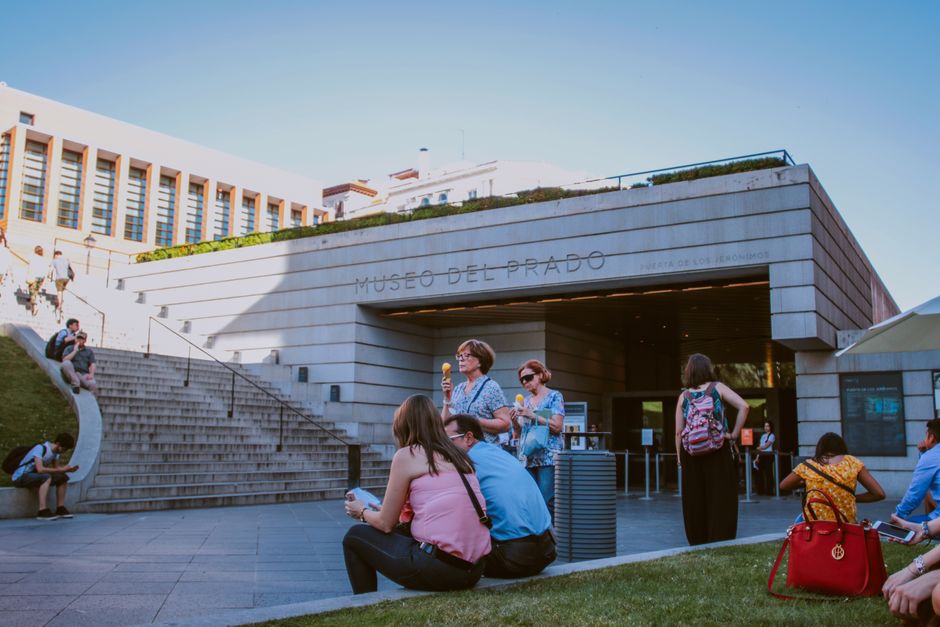
Walk through Malasaña on any given weekend in July, and you'll encounter a festival that didn't exist five years ago. The neighbourhood's independent cultural collectives—groups like La Tabacalera de Lavapiés and smaller grassroots networks operating from converted warehouses along Calle Amparo—have essentially rewritten Madrid's summer calendar, replacing corporate-sponsored events with fiercely autonomous celebrations that prioritise accessibility over profit.
The shift reflects a deeper movement. In 2024, community organisers documented over 180 neighbourhood-led cultural events across Madrid's central districts, according to data compiled by the Plataforma por la Cultura Pública. By this year, that number has grown to 247. These aren't formal festivals with municipal permits and sponsorship deals. They're guerrilla art shows, midnight cinema projections on building facades, free music performances organised through encrypted messaging groups, and pop-up galleries in abandoned storefronts.
"What's changed is ownership," explains the coordinator approach at cultural spaces like La Casa Encendida in Lavapiés, which has increasingly partnered with independent collectives rather than operating top-down programming. "Communities don't want to be audiences anymore. They want to be creators."
The numbers tell a story. Ticket prices for these grassroots events average €8—compared to €35-50 for mainstream festivals—while attendance has doubled year-on-year in neighbourhoods like Carabanchel and San Blas, traditionally underserved by Madrid's cultural establishment. Social media analytics show that hashtags tied to independent festival movements generate 2.3 times more engagement than official city tourism campaigns.
This summer's calendar pivots around this momentum. June's Cycle of the Neighbourhoods initiative—simultaneously unfolding across seventeen barrios—prioritises artists from immigrant communities, queer collectives, and political activists who'd been excluded from traditional programming. Venues like Espacio Joven in Vallecas and smaller DIY collectives throughout Usera are hosting nightly events through August, often free or donation-based.
The municipal government's response remains cautious. While the city council has nominally welcomed grassroots initiatives, neighbourhood activists report that funding remains concentrated among established institutions. Yet the cultural shift is undeniable: Madrid's festival season is no longer defined by glossy international acts and corporate sponsorship, but by the voices of communities reclaiming public space as their own.
For a city once dismissed as merely Spain's administrative capital, this ground-up cultural momentum feels genuinely transformative—proof that authentic culture emerges not from institutions, but from the streets themselves.
This article was compiled by AI from the sources linked above and screened before publishing. See our editorial standards.