Madrid's cultural identity didn't emerge overnight. Walk through the neighbourhoods today—from the bohemian galleries of Malasaña to the cutting-edge design studios scattered across Chamberí—and you're witnessing the culmination of nearly a century of artistic struggle, suppression, and eventual liberation.
The story begins in silence. During Franco's dictatorship, Madrid's creative community operated under suffocating censorship. The regime viewed culture as a tool for control, not expression. Yet artists persisted in underground circles, their work confined to private studios and whispered conversations. This era of constraint planted seeds that would later explode into unprecedented creative energy.
The real transformation came with the movida madrileña in the 1980s—a cultural phenomenon so distinctive that it reshaped how the world perceived Madrid itself. Suddenly, the city wasn't just Spain's administrative centre; it became a global beacon for music, fashion, and visual arts. Venues like Rockpalast on Calle de la Cruz became pilgrimage sites for anyone serious about Spanish culture. Directors like Pedro Almodóvar emerged from this ferment, carrying Madrid's aesthetic sensibility to international film festivals.
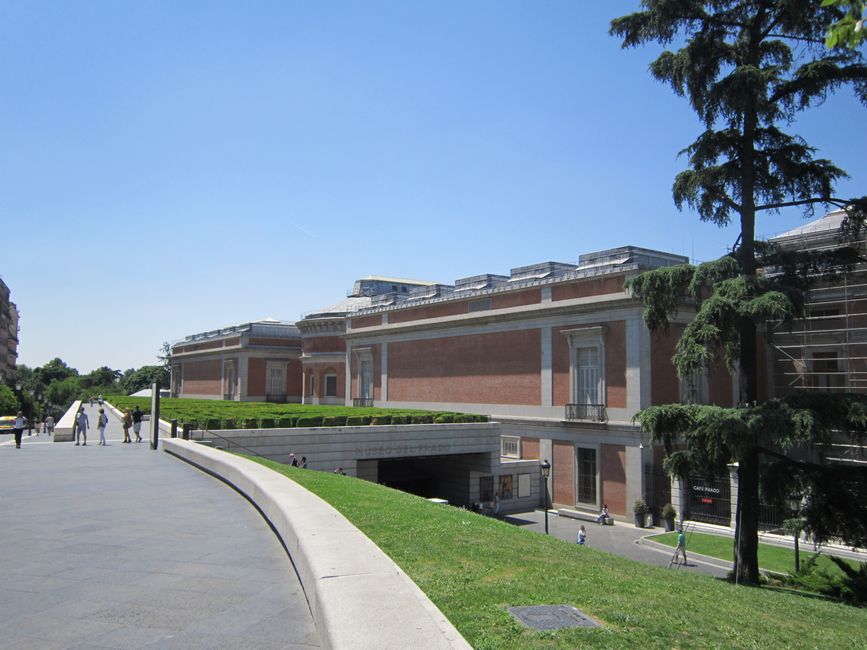
Today's landscape reflects this DNA. The Reina Sofía Museum, established in 1990, now draws over 2.8 million visitors annually, anchoring Madrid's position as a major art hub. But the real cultural action happens in less obvious spaces. Neighbourhood galleries in Malasaña—where rents have tripled in the past decade—continue the spirit of grassroots creativity, even as gentrification threatens the scene's affordability. Independent theatres like Círculo de Bellas Artes on Alcalá maintain programming that pushes boundaries rather than follows them.
The evolution hasn't been linear. Market pressures now reshape what gets produced and exhibited. Cultural institutions compete aggressively for funding and international recognition. Yet Madrid's identity remains distinctly rooted in its ability to synthesize tradition with radical experimentation—a trait born from those decades when silence made expression dangerous, and danger made expression necessary.
Understanding this history matters as Madrid continues evolving. Every performance in the Teatros del Canal, every exhibition in Matadero Madrid's repurposed slaughterhouse complex, every street mural in Chueca carries echoes of that journey from repression to liberation to mainstream success. Madrid's cultural scene isn't just performing culture; it's performing its own freedom.
This article was compiled by AI from the sources linked above and screened before publishing. See our editorial standards.