From Textile Mills to Fashion Labs: How Madrid Became Spain's Creative Capital
A journey through decades of design innovation reveals how the Spanish capital transformed industrial heritage into a thriving hub for emerging talent.
A journey through decades of design innovation reveals how the Spanish capital transformed industrial heritage into a thriving hub for emerging talent.
Walk through the narrow streets of Malasaña on any given Saturday, and you'll encounter vintage boutiques, independent design studios, and pop-up galleries that tell the story of Madrid's unlikely rise as a fashion powerhouse. Yet this creative renaissance didn't emerge overnight—it's rooted in decades of industrial grit, cultural resistance, and deliberate reinvention.
The 1980s marked a watershed moment. As Madrid shed its post-Franco constraints, the city's textile and garment manufacturing sector—concentrated historically around Lavapiés and the southern industrial zones—began its slow decline. Rather than disappear entirely, this infrastructure became creative oxygen. Affordable warehouse spaces attracted young designers who couldn't afford Barcelona's established fashion hierarchy. By the early 1990s, small ateliers and design collectives began clustering in what would become the city's cultural heartland: Malasaña, Chueca, and the emerging tech-creative corridor around Sol.
Today, Madrid hosts over 8,000 registered creative businesses, with fashion design representing roughly 12% of this ecosystem, according to the Madrid Chamber of Commerce. IFEMA's biannual fashion weeks and the city's four major design fairs—including the influential 080 Barcelona satellite shows held in Madrid venues—have cemented the capital's position. Paseo de Recoletos, once purely institutional, now hosts flagship concept stores alongside traditional galleries.
The real innovation, however, lies beneath the commercial surface. Schools like the IED (Instituto Europeo di Design) on Calle de Montalbán and ESNE in the expanding cultural district have cultivated generations of designers who've gone on to international success. The city's unique advantage isn't that it competes with Milan or Paris—it's that Madrid offers something different: a lower cost of entry, government grants averaging €15,000-€40,000 for emerging designers, and a cultural appetite for experimentation that larger fashion capitals have gradually lost.
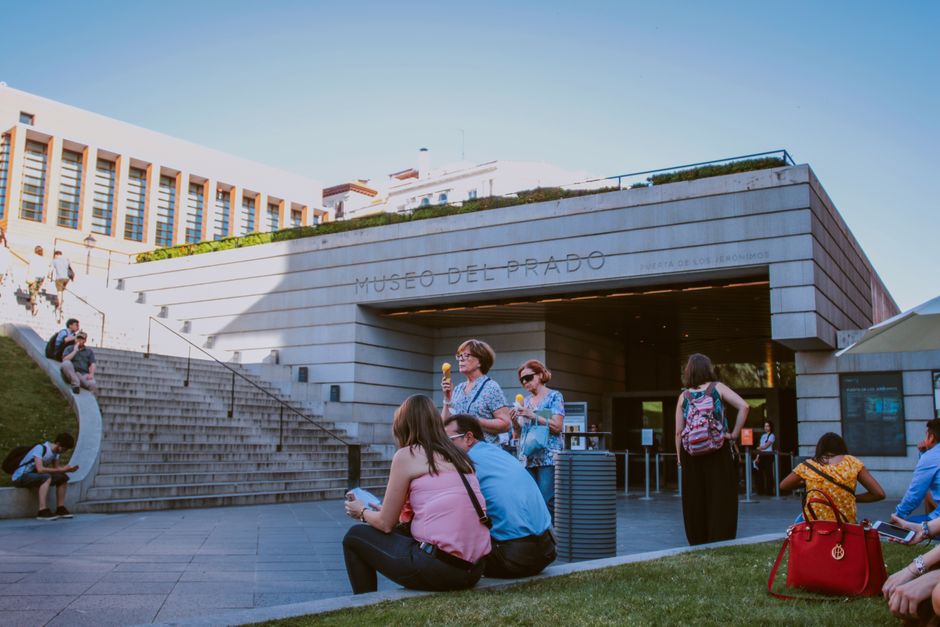
The Prado neighbourhood's transformation exemplifies this evolution. Where textile warehouses once dominated, studios now occupy repurposed industrial buildings. Designer collectives like those clustered around Plaza Mayor's adjacent streets operate with communal resources, sharing pattern-makers and production facilities—a model born directly from necessity but now recognized as sustainable practice.
As global supply chains destabilize and sustainability demands reshape the industry, Madrid's distributed maker culture and recycled-infrastructure economy suddenly look prescient. The city that inherited its fashion identity from industrial decline may have inadvertently designed the future.
This article was compiled by AI from the sources linked above and screened before publishing. See our editorial standards.
How does this story make you feel?
Spread the word
About this article
Published by The Daily Madrid
Daily brief
Free, in your inbox before 7am. Weekdays.
More in culture