Your Complete Guide to Madrid's Best Local Heritage Experiences Right Now
From hidden medieval quarters to cutting-edge cultural institutions, here's where madrileños are reconnecting with their city's layered past this summer.
From hidden medieval quarters to cutting-edge cultural institutions, here's where madrileños are reconnecting with their city's layered past this summer.
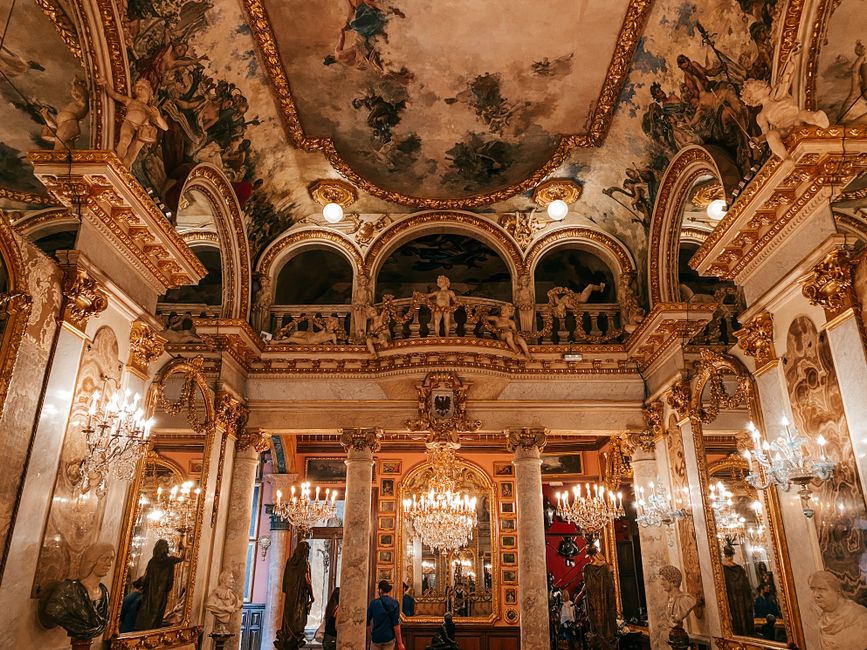
Madrid's identity has always been a conversation between centuries. Right now, as temperatures soar and tourists flood the major museums, locals are gravitating toward more intimate encounters with the city's actual heartbeat—the neighbourhoods and institutions that tell the story of how this place became itself.
Start in La Latina, the medieval core that predates Madrid's rise as Spain's capital by centuries. The warren of cobbled streets around Plaza de la Villa remains largely unchanged since the 15th century, though gentrification has accelerated noticeably over the past five years. Walk the eastern edge toward Calle de Cuchilleros, where artisanal studios and independent galleries now occupy centuries-old buildings. Entry is free; what you'll pay for is coffee at one of the neighbourhood's remaining traditional cafés, where a café con leche costs around €2.50.
For institutional gravitas, the Museo de los Orígenes (Museum of the Origins of Madrid) on Calle Príncipe, 78, offers what most tourists miss: an archaeological narrative of Madrid before grandeur. Admission is €3 for residents, and their June-July programme includes temporary exhibitions exploring migration patterns within Spain—unexpectedly relevant given current migration debates. Hours are 10am-6pm Tuesday to Sunday.
The neighbourhood of Malasaña, historically working-class and now creatively restless, deserves an afternoon. The Mercado de San Antonio, completely renovated in 2012, blends market heritage with contemporary cultural programming. Street art murals by collectives like Perlin Ping cover building facades along Calle Velarde and Espíritu Santo. This is where young madrileños negotiate their relationship with the city's past—through layers of paint and reinvention.
Don't overlook the Fundación Juan March on Castelló, 77, a private institution that functions like a cultural lifeline. This month they're hosting exhibitions examining 20th-century Spanish modernism and its diaspora. Admission is free, and their air-conditioned galleries offer respite while you process Madrid's journey toward artistic legitimacy.
Finally, traverse the literary Madrid of your imagination via the Barrio de las Letras, where Cervantes and Lorca haunted cafés that still exist. The Biblioteca Nacional's rooftop terrace, recently opened to the public, offers 360-degree perspectives on how the city's geography shapes its mythology.
These experiences cost little and reveal everything: Madrid's identity isn't preserved in amber but continuously remade by those who inhabit it.
This article was compiled by AI from the sources linked above and screened before publishing. See our editorial standards.
How does this story make you feel?
Spread the word
About this article
Published by The Daily Madrid
Daily brief
Free, in your inbox before 7am. Weekdays.
More in culture