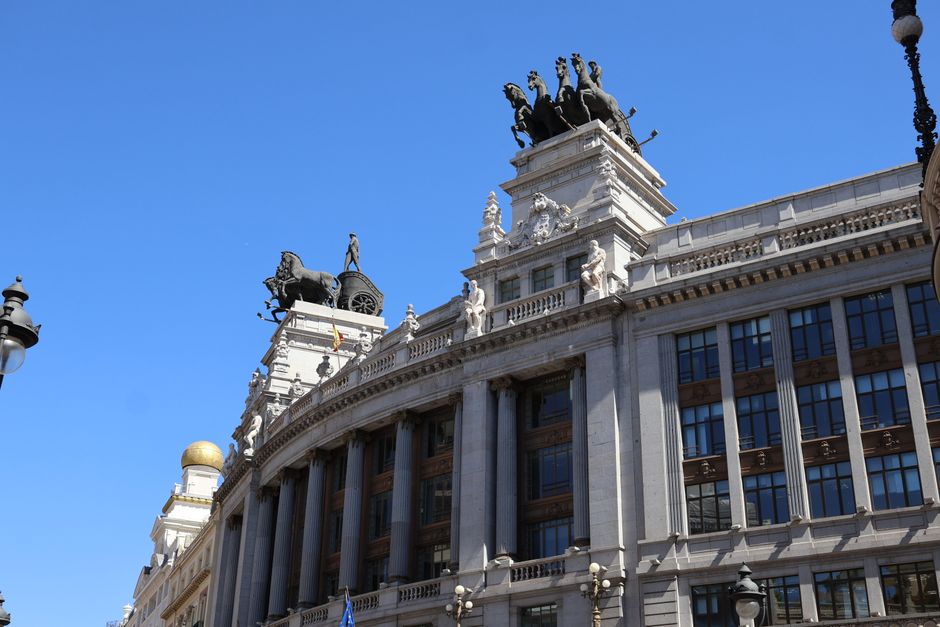
Walk down Calle Almirante on any Thursday evening and you'll encounter Madrid's art world in its most authentic state: dealers unlocking gallery doors, collectors gathering in clusters, curators discussing acquisitions over vermouth. Yet few passersby understand the deliberate architecture behind this scene—the two decades of institutional groundwork, personal sacrifice, and strategic vision that transformed Madrid from a secondary European art hub into something genuinely influential.
The story begins not in the grand museums but in the neighborhoods. When independent galleries started clustering in Malasaña and Chueca in the early 2000s, rent was negligible and the spaces were forgotten. Entrepreneurs like those behind spaces in the Calle Relatores corridor saw potential where others saw abandonment. By 2010, over 80 galleries had established themselves across these districts, creating an informal network that galleries in established art capitals like London and Berlin had taken decades to cultivate.
The 2015 opening of the Museo Reina Sofía's renovation, while often credited solely to architectural ambition, actually represented the culmination of years of advocacy by independent curators and gallerists who had been documenting contemporary Spanish art during its lean years. These voices shaped what the museum collected, exhibited, and valued. The institution's contemporary wing now draws nearly 1.2 million visitors annually—a figure that seemed impossible when the push for expansion began in earnest around 2010.
Today, the economics of Madrid's art scene reflect this foundation. Gallery concentration in Malasaña generates an estimated €40 million annually in direct sales, according to industry surveys, with secondary economic impact through hospitality and real estate. More significantly, Madrid now hosts Art Madrid Fair in Ifema every November, attracting dealers from 30 countries—unimaginable fifteen years ago.
What distinguishes Madrid's model from other cities is how deliberately it was constructed from below. Unlike New York's art world, shaped by wealthy collectors and established institutions, or Berlin's, largely driven by government support, Madrid's ecosystem emerged from the conviction of mid-career professionals who believed the city deserved better. They opened galleries when there was no market. They curated when there was no budget. They documented overlooked artists when the world wasn't watching.
That ethos remains visible in spaces like those along Paseo de Recoletos, where smaller galleries continue operating alongside the Prado and Thyssen-Bornemisza, coexisting rather than competing. It's a deliberately constructed pluralism—proof that institutional prestige and grassroots creativity don't require compromise.
This article was compiled by AI from the sources linked above and screened before publishing. See our editorial standards.