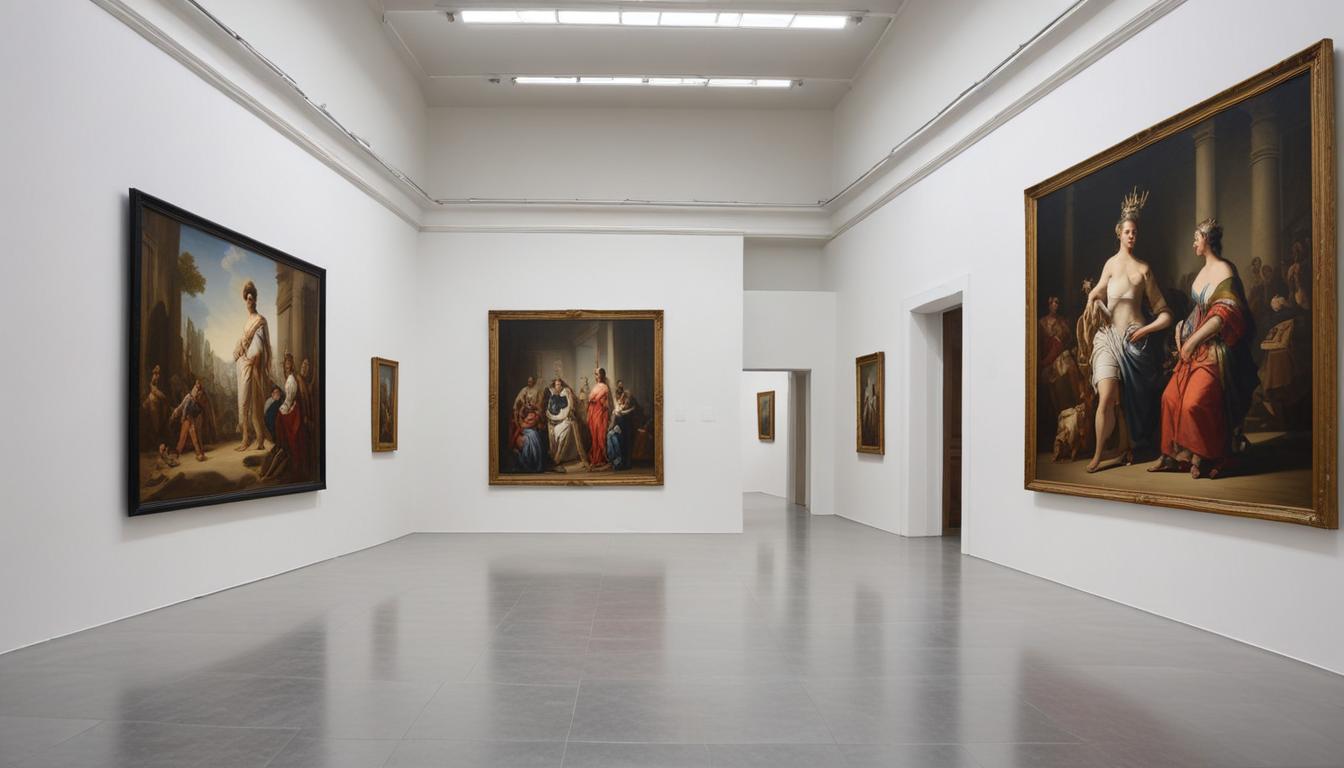
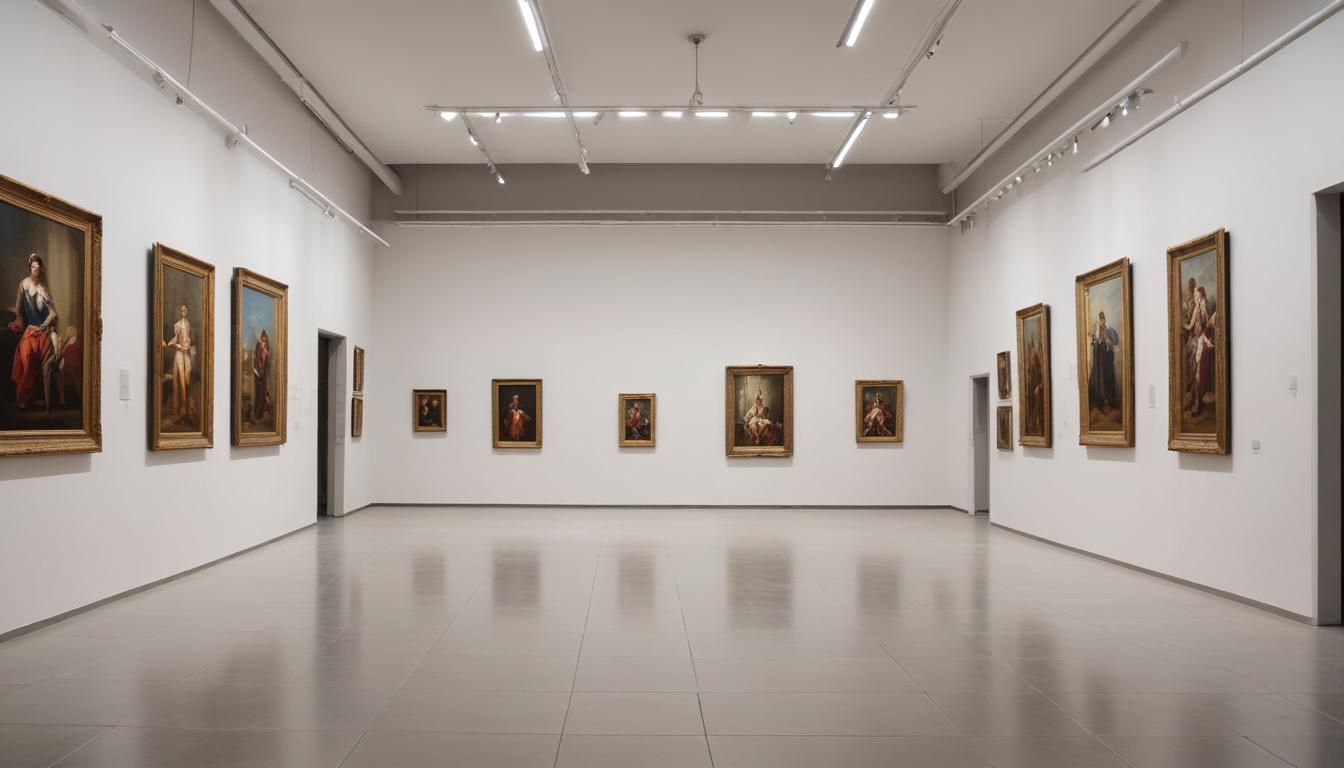
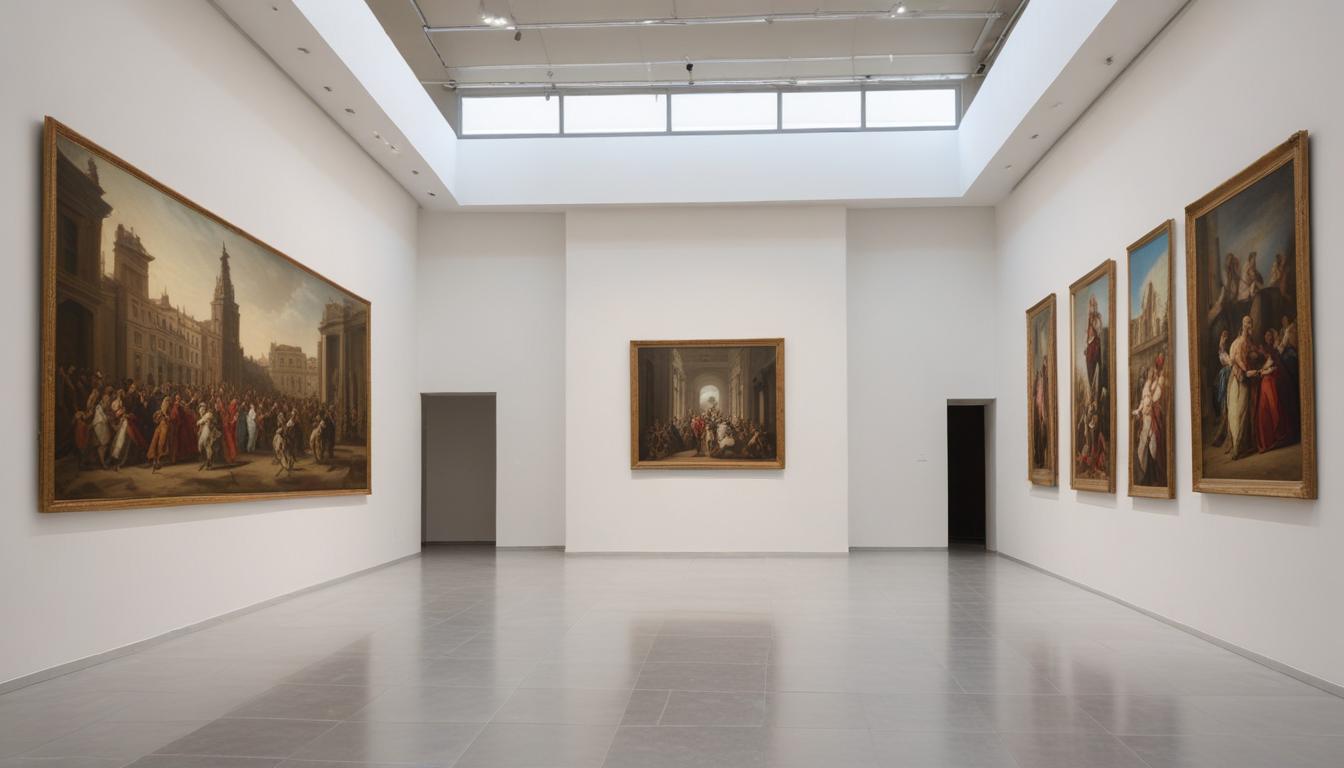
Walk through Malasaña on any Friday evening and you'll encounter a Madrid that feels radically different from the one tourists encounter at the Prado. In converted apartments, storefronts, and basement spaces along Calle San Andrés and Tribunal, independent galleries have become gathering points for a generation rejecting the traditional museum model. This isn't nostalgia for bohemia—it's a calculated shift in how Madrid's creative community operates.
The numbers tell part of the story. Since 2023, over forty independent galleries and artist-run spaces have opened across central Madrid, with Malasaña, Chueca, and increasingly La Latina hosting clusters of experimental venues. Many operate on modest budgets; gallery visits typically cost nothing, though donations are encouraged. This accessibility has proven transformative. Where institutions like the Reina Sofía draw international audiences, these grassroots spaces attract Madrid's actual residents—young professionals, students, immigrant communities reshaping the city's demographic landscape.
What drives this shift is organizational: collectives like La Pinta Colectiva in Chueca and Aurora Boreal near Plaza del Carmen operate horizontally, rotating curatorial duties and rejecting hierarchical decision-making. These aren't vanity projects but deliberate alternatives to a system many felt exclusionary. Artists report waiting years for institutional consideration; smaller spaces offer exhibition opportunities within months. The democratization extends beyond access—it's about who gets to define Madrid's artistic narrative.
The movement has created unexpected economic ripples. Galleries cluster around affordable neighbourhoods precisely because commercial rents elsewhere make independence impossible. This concentration strengthens local ecosystems; a visitor to one space becomes aware of five others. Cafés, bookshops, and vintage stores have emerged in symbiosis, creating Saturday afternoon circuits that bypass the tourist infrastructure entirely.
Yet this isn't anti-establishment rebellion for its own sake. Several collectives maintain partnerships with municipal cultural agencies. The district government's support for Malasaña's creative infrastructure—modest grants, studio subsidies—reflects recognition that grassroots cultural activity generates genuine community engagement. When nearly sixty percent of visitors to independent galleries identify as Madrid residents (compared to roughly twenty percent for major museums), institutional leaders are paying attention.
What emerges is a portrait of a city's artistic infrastructure genuinely transforming. The conversation is no longer whether independent galleries can survive, but how they reshape what Madrid's cultural identity means. For a city long defined by its great museums, that represents something unprecedented: the collective belief that art belongs not in fortress institutions, but in the neighbourhoods where Madrileños actually live.
This article was compiled by AI from the sources linked above and screened before publishing. See our editorial standards.