Madrid's Food Scene Summer 2026: Your Complete Guide to the Best Local Experiences Right Now
From hidden cocktail bars in Malasaña to Michelin-starred kitchens reinventing tradition, here's where madrileños are eating and drinking this season.
From hidden cocktail bars in Malasaña to Michelin-starred kitchens reinventing tradition, here's where madrileños are eating and drinking this season.
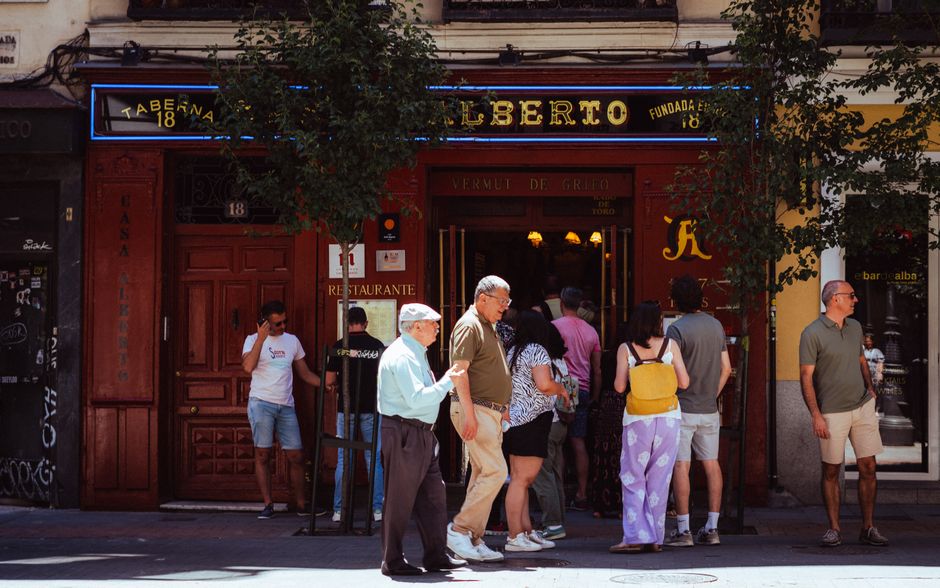
Madrid's gastronomic landscape has shifted dramatically over the past eighteen months, with neighbourhood establishments reclaiming cultural currency from the tourist-centric centre. This summer, the city's food consciousness centres on authenticity, sustainability, and what locals call "cocina de barrio con ambición"—neighbourhood cooking with genuine craft.
Start in Malasaña, where the proliferation of natural wine bars continues unabated. The tight cluster around Calle Espíritu Santo now hosts over a dozen establishments championing Spanish and European organic producers. Prices hover between €4-8 per glass, with charcuterie boards and seasonal montaditos pushing total bills to €25-35 per person. The neighbourhood's cultural evolution reflects broader Madrid trends: younger operators are deliberately distancing themselves from Instagram aesthetics in favour of genuine convivial spaces.
The San Antón market precinct remains essential, but locals increasingly bypass ground-floor tourist vendors for the second-floor gastronomic collective, where independent producers operate stalls alongside prepared food counters. Recent data suggests foot traffic at heritage markets like San Antón has shifted 40% toward weekday morning visits—when madrileños conduct actual shopping rather than performative tourism.
For serious dining, the conversation has evolved beyond the established Michelin tier. While institutions like Punto MX and Coque maintain their standing, restaurants in Chamberí and Salamanca neighbourhoods—particularly along Calle Serrano's secondary streets—are generating genuine excitement through ingredient-focused menus at €50-75 price points. These venues deliberately limit covers and prioritise consistency over expansion.
The vermouth hour (aperitivo time, roughly 1-2pm) remains Madrid's most authentic food culture ritual. Neighbourhood bars in Chueca still serve complimentary olives and anchovy-stuffed peppers with €3 glasses. This tradition, though increasingly commercialised in central zones, persists genuinely in residential areas like Tetuán and Vallecas.
Summer seasonality matters acutely now. Gazpacho and salmorejo dominate lunch menus through August, with quality varying wildly; seek establishments displaying ingredient sourcing information. The rise of conscientious eating means many venues now publish their supplier networks—a meaningful signal of operator seriousness.
Budget planning: breakfast (café y tostada) €3-5; lunch menu del día €12-16; dinner €35-60 for serious neighbourhood restaurants; vermouth with tapa €5-8; cocktails €9-12. Street food remains exceptional value: croquetas from specialist bars cost €1.50-2.50 each.
The broader context: Madrid's food culture recovery post-pandemic centred on community-driven spaces prioritising quality conversation over convenience. That ethos persists, making this an exceptional moment for genuine local gastronomic discovery.
This article was compiled by AI from the sources linked above and screened before publishing. See our editorial standards.
How does this story make you feel?
Spread the word
About this article
Published by The Daily Madrid
Daily brief
Free, in your inbox before 7am. Weekdays.
More in culture