Madrid's Design Rebels: The Emerging Voices Reshaping Spanish Fashion
As established houses consolidate power, a new generation of independent designers in Malasaña and Chueca is rewriting the rules of Spanish fashion.
As established houses consolidate power, a new generation of independent designers in Malasaña and Chueca is rewriting the rules of Spanish fashion.
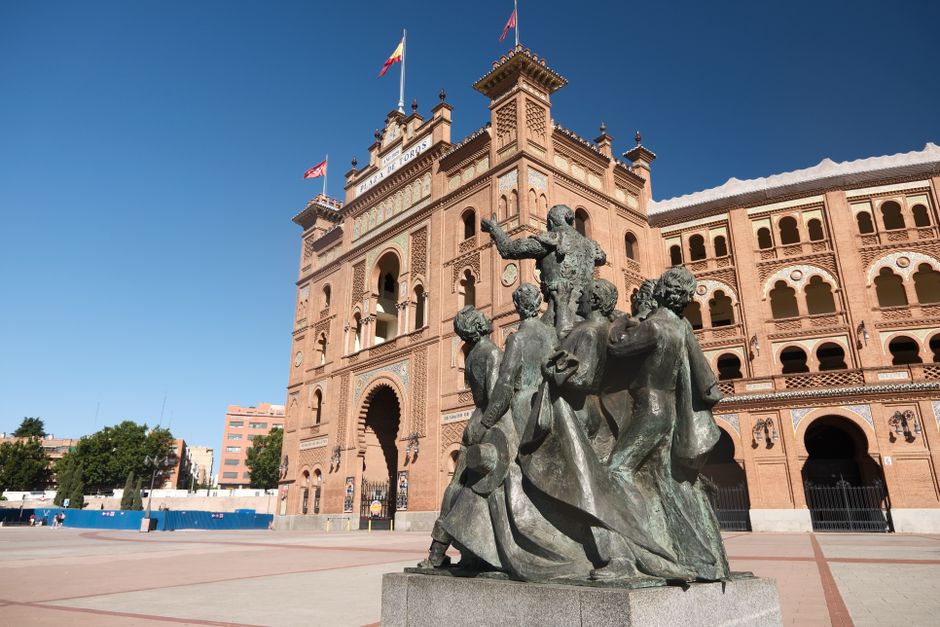
Walk down Calle Fuencarral on any Thursday evening and you'll witness Madrid's creative future unfold in storefront windows and pop-up galleries. The neighbourhood's transformation from bohemian enclave to design epicentre reflects a broader shift: independent fashion voices are no longer waiting for industry gatekeepers to validate their work.
The numbers tell a compelling story. According to Madrid's Chamber of Commerce, applications for fashion design business licences in central neighbourhoods jumped 34 per cent between 2024 and 2026, with Malasaña accounting for nearly half. Young designers aged 25-35 now represent the fastest-growing demographic in the sector, many bootstrapping operations from shared studio spaces that rent for €400-600 monthly—a fraction of what Madrid's traditional fashion district charges.
These emerging talents are rejecting the gatekeeping model entirely. Rather than chasing internships at established houses or pursuing slots at IFEMA's traditional fashion fairs, they're building direct-to-consumer brands and collaborating through collectives. Spaces like the Naves del Español in Arganzuela have become unofficial headquarters, where designers share equipment, split booth costs at independent trade shows, and build audiences through social channels rather than print advertising.
What distinguishes this wave isn't just their independence—it's their conceptual fearlessness. Unlike previous generations influenced by Barcelona's formalism or London's shock tactics, these designers are mining Madrid's specific contradictions: the city's simultaneous embrace of maximalism and minimalism, its working-class heritage and contemporary wealth, its Mediterranean ease and northern European precision. The result is work that feels distinctly local yet internationally legible.
The institutional response is evolving. Ifema's Sustainable Fashion Hub, launched last year, explicitly targets designers under 30, offering subsidised booth space and mentorship. The Madrid Design Festival expanded its emerging designer platform by 40 per cent this cycle, recognising that the conversation about Spanish fashion's future happens increasingly outside Salamanca's luxury boutiques.
Funding remains constrained—most rely on savings or modest angel investment rather than institutional backing—yet the creative momentum is undeniable. Studios cluster around Plaza Dos de Mayo, where rental conversations happen in cafés, collaboration sparks over cortados, and the next collection might launch from a garage in Lavapiés.
For those watching Spanish fashion's evolution, the message is clear: the next defining voices won't emerge from inherited privilege or institutional coronation. They're already here, sketching in converted warehouses and building empires on Calle Velarde, reshaping what it means to be a Madrid designer for a generation that's never accepted gatekeepers.
This article was compiled by AI from the sources linked above and screened before publishing. See our editorial standards.
How does this story make you feel?
Spread the word
About this article
Published by The Daily Madrid
Daily brief
Free, in your inbox before 7am. Weekdays.
More in culture