From Underground to Global Stage: How Madrid's Festival Scene Evolved Into Europe's Cultural Powerhouse
Three decades of transformation have turned the Spanish capital's event calendar into a blueprint for urban cultural reinvention.
Three decades of transformation have turned the Spanish capital's event calendar into a blueprint for urban cultural reinvention.
Walk through La Latina on any given weekend in 2026, and you'll witness the culmination of a 30-year cultural revolution. Madrid's festival and events landscape—once dominated by traditional religious processions and Franco-era state celebrations—has metamorphosed into one of Europe's most dynamic and diverse calendars, attracting over 8 million attendees annually across major events alone.
The transformation began in the early 1990s when city officials, recognising cultural tourism's economic potential, began systematically professionalising Madrid's event infrastructure. The Festival de Teatro de Otoño in the Barrio de las Letras became a flagship, drawing international theatre companies to venues like the Teatro de la Abadía. What started as a modest autumn programme has evolved into a year-round ecosystem spanning theatre, music, dance, and visual arts across 47 neighbourhoods.
The digitisation of ticket sales through platforms like Ticketmaster España and the proliferation of mid-sized venues transformed accessibility. Twenty years ago, major concerts required travel to Barcelona or Valencia. Today, artists perform across Pabellón Jorge Garbajosa, La Riviera, and smaller clubs in Malasaña that have become tastemakers themselves. Entry prices have remained relatively stable—indie concerts averaging €25-35—while attendance has quadrupled.
Summer festivals exemplify this evolution most vividly. The Festival de Teatro Clásico de Almaguer expanded from a regional curiosity into a national draw. Madrid's veranos de la Villa programme, which began modestly in the 1980s, now coordinates hundreds of free events across plazas like Mayor and Oriente, recognising that cultural democracy requires accessibility beyond wealthy demographics.
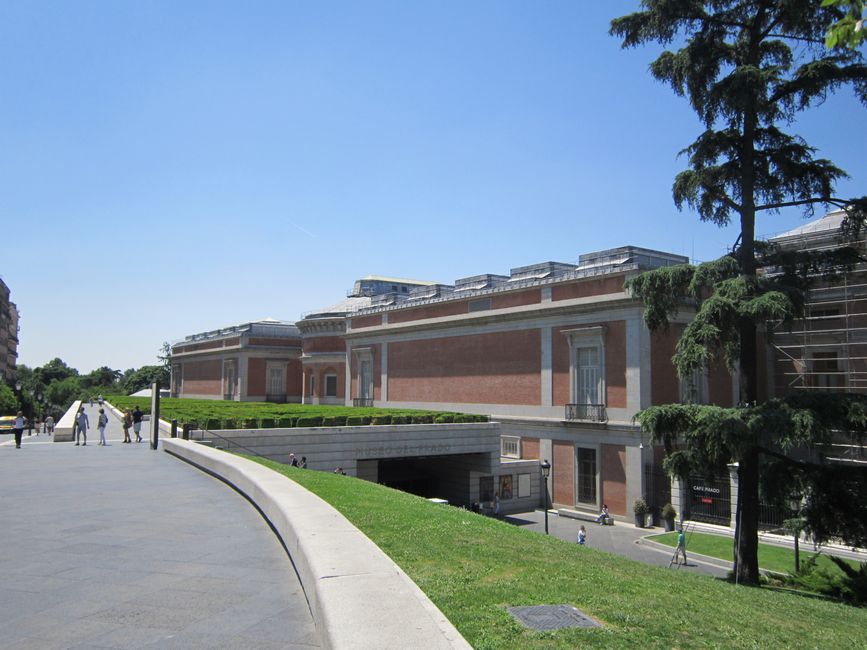
The 2010s brought internationalisation. Adobe Festival, Mad Cool, and Dcode now position Madrid alongside Berlin and Barcelona on European electronic music circuits. The Prado's contemporary programming, once secondary to its classical collection, became a draw itself. Street art festivals transformed neighbourhoods like Vallecas from overlooked peripheries into pilgrimage sites for urban culture enthusiasts.
Yet this success creates tension. As tourism surged—particularly post-COVID recovery—some worry about authenticity erosion. The grassroots punk and indie scenes that thrived in dive bars around San Blas have gentrified or commercialised. Venue closures along Calle Almendro prompted heritage campaigns, while rising insurance costs squeeze experimental performance spaces.
Today's calendar reflects this duality: globally competitive yet locally rooted. The Museo Reina Sofía programmes are as rigorous as MoMA's. Yet community cultural centres in working-class districts maintain experimental spirit. Madrid's festivals survived pandemic disruption through digital innovation, proving adaptability remains their defining characteristic. The city that once imported culture now exports models.
This article was compiled by AI from the sources linked above and screened before publishing. See our editorial standards.
How does this story make you feel?
Spread the word
About this article
Published by The Daily Madrid
Daily brief
Free, in your inbox before 7am. Weekdays.
More in culture