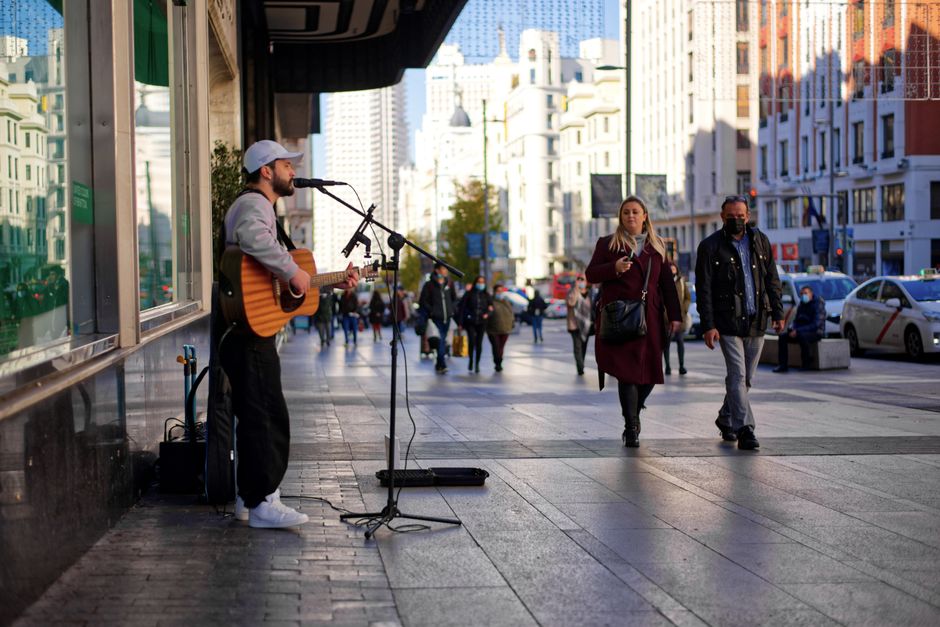
Walk through Malasaña on a Friday night and you'll hear it before you see it—the unmistakable buzz of a city rediscovering what live music can be. What began three years ago as scattered DIY events in warehouse spaces and converted storefronts has evolved into a genuine cultural movement, one that's fundamentally reshaping how Madrid experiences live entertainment.
The shift is driven by a coalition of independent promoters, venue collectives and musician networks who've grown frustrated with the traditional concert circuit's gatekeeping and rising ticket prices. Groups like Espacio Tangente, based near Plaza España, and the sprawling network of promoters operating from venues across Chueca have deliberately positioned themselves as alternatives to the city's established venues that charge €35-€50 for standard shows.
"We're talking about accessibility," explains the ethos behind several emerging spaces on Calle Fuencarral, where venues now charge €10-€20 for intimate concerts while maintaining sustainable artist payments through membership models and donation-based systems. This isn't just economic rebellion—it's cultural philosophy. Between March and May alone, independent collectives hosted over 340 shows across Madrid, a 67% increase from the same period last year, according to data compiled by cultural observers tracking the underground circuit.
The movement has gained particular traction in La Latina, where historic taverns like those lining Calle de la Cava Baja have reopened their performance spaces after pandemic closures, reinvigorating traditions of spontaneous flamenco and folk performances. Simultaneously, younger collectives in Lavapiés have been converting social centers into experimental music venues, hosting electronic, punk, and avant-garde acts that major promoters overlook.
What's striking isn't merely the quantity of shows, but the community fabric these spaces are weaving. Regular attendees speak of a familial atmosphere largely absent from stadium concerts or commercial venues. These collectives organize community dinners before shows, host artist workshops, and facilitate direct dialogue between performers and audiences—mechanics that feel revolutionary in a city where concert-going has long been treated as transactional.
The movement has begun attracting municipal attention. Madrid's cultural department recently announced grants for grassroots music promoters, signaling potential institutional recognition of what independent operators have already proven: that smaller, community-centered venues generate cultural vitality that benefits the entire city. As summer festivals loom and tourist season peaks, the question lingers—can this intimate, collective spirit survive mainstream success, or will it be absorbed and commercialized like movements before it?
This article was compiled by AI from the sources linked above and screened before publishing. See our editorial standards.