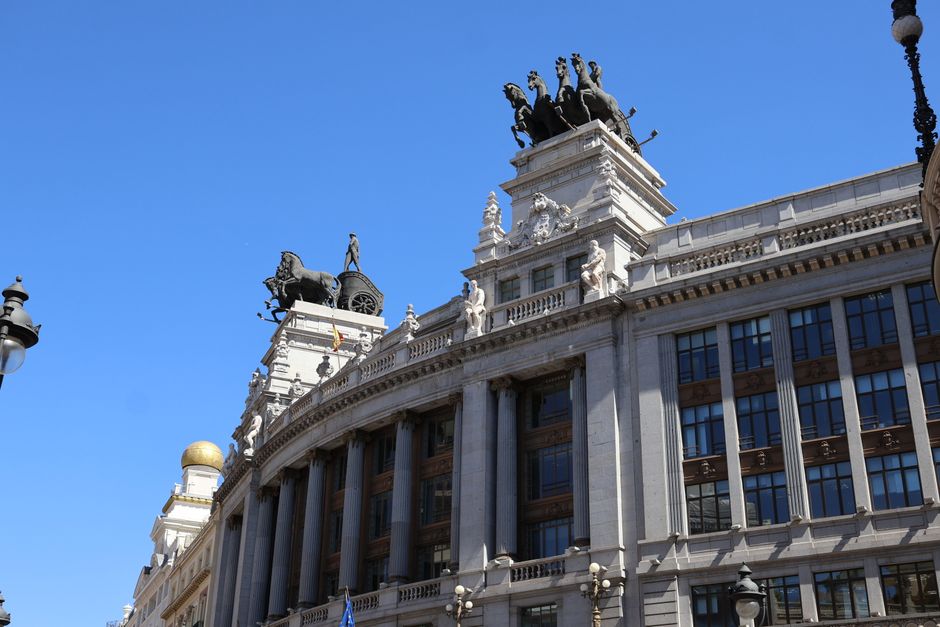
Walk down Calle de la Cava Baja on any Saturday morning, and you'll find something increasingly rare in Madrid: a pop-up exhibition in a renovated 17th-century casona, not a luxury boutique. This shift reflects a broader movement sweeping through Madrid's historic neighbourhoods, where a coalition of young historians, artists, and long-time residents is actively reclaiming the city's barrio identity against decades of commercialization.
The movement crystallized around organizations like Barrios por la Memoria, founded in 2023, which has documented over 400 local stories across La Latina, Malasaña, and Chueca. Their walking tours—priced at €8 per person—regularly attract 40-50 participants eager to learn about the socialist printing presses that once operated beneath Plaza Mayor, or the anarchist collectives that defined Malasaña's character during the Republic.
"We're not nostalgic," explains the movement's core philosophy through their published materials. "We're strategic. Understanding who lived here, what they fought for, and how they built community—that's how we resist turning these barrios into theme parks."
The evidence is tangible. In 2024, residents successfully blocked a major luxury development on Calle del Nuncio, citing historical preservation concerns. The nearby Centro Cultural Daoíz y Velarde, occupying a former Civil War shelter, now hosts monthly free forums where residents discuss neighbourhood futures. Local rents in La Latina have stabilized at €1,200-1,500 monthly for two-bedroom flats—still high, but no longer rising 15% annually.
What distinguishes this movement is its intergenerational composition. While pensioners provide archival memory and oral histories, residents aged 25-40 manage social media campaigns and organize legal challenges. University students from the Universidad Complutense contribute research. This collaboration has produced "Madriles," a crowdsourced digital archive with 2,300 user-contributed photographs and testimonies—free and open-source.
The cultural shift extends beyond activism. Independent bookshops like El Ojo del Tiempo have proliferated; neighbourhood muralists have painted 12 new historical murals depicting labour movements and Civil War resistance. Even the city's official tourism board has begun incorporating these narratives, though community members carefully monitor messaging for co-optation.
As Madrid faces relentless pressure from global real estate capital and tourism infrastructure expansion, this grassroots movement represents something vital: a community-driven vision of cultural identity rooted in actual histories, not marketing fantasies. Whether it can sustain itself against market forces remains uncertain—but for now, Madrid's barrios are being remembered on their own terms.
This article was compiled by AI from the sources linked above and screened before publishing. See our editorial standards.