culture
Behind Madrid’s July 4th Scene: The Creators Crafting the City’s Day of Culture
A look at the people and places shaping today’s vibrant events across Madrid, from Lavapiés theatres to Retiro park art workshops.
How we reported this
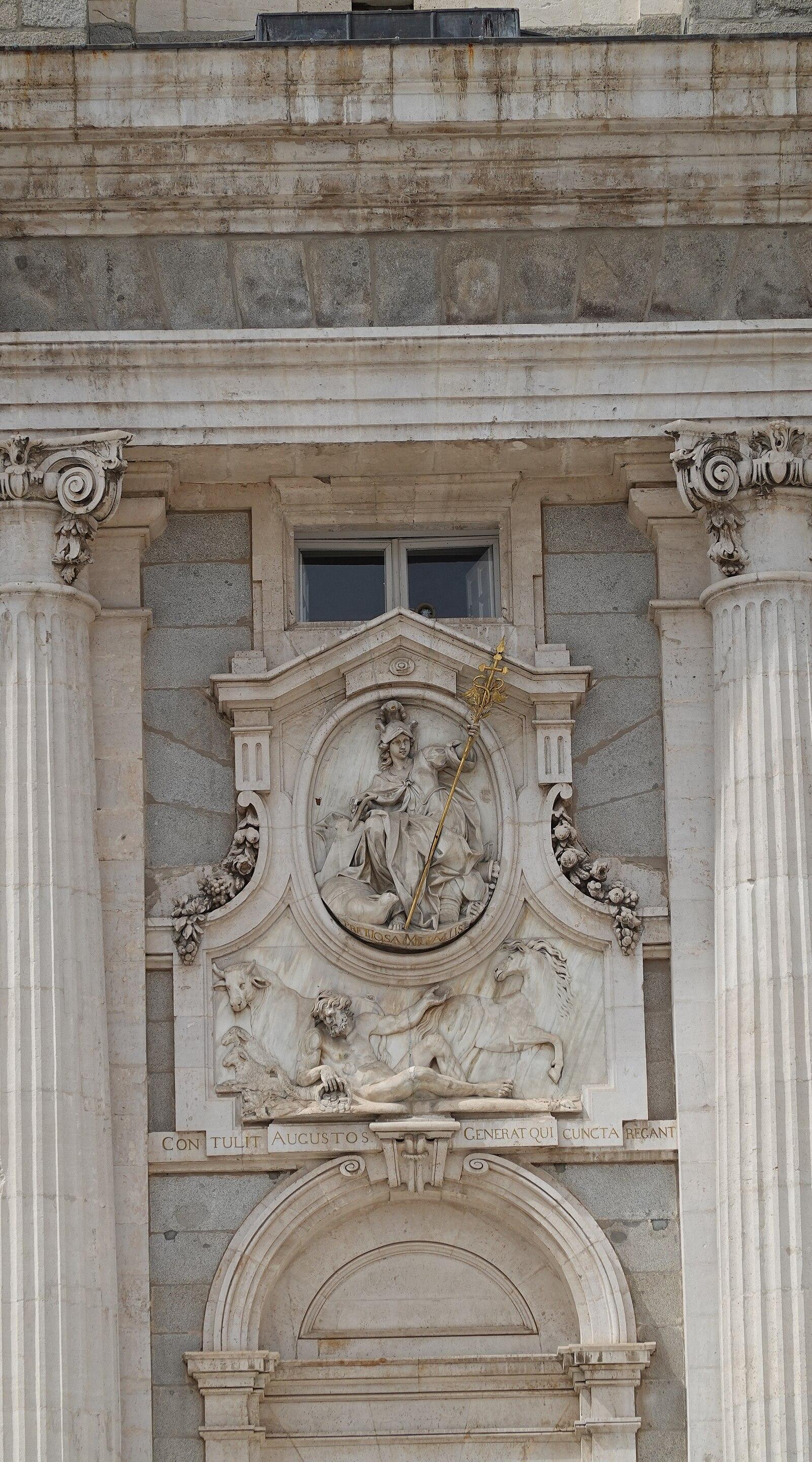
Madrid pulses with cultural energy on July 4th, offering locals and tourists alike an array of events that highlight the creativity and dedication of the people who make the city’s arts scene thrive. From experimental theatre productions in Lavapiés to pop-up art installations in Parque del Retiro, today’s happenings are as much about the stories behind the scenes as the performances on stage.
This year, the events carry added significance as Madrid recovers from an unusually intense heatwave that forced cancellations in many European capitals over the weekend. With temperatures moderating to a more bearable 31°C, the city is embracing the opportunity to reconnect with communal cultural experiences. Organizers and artists have adapted their programs to meet new environmental challenges, reflecting a broader trend in European urban centres to sustain arts engagement despite climate disruptions.
The People and Places Crafting Today’s Madrid Experience
In the heart of Lavapiés, the Teatro La Usina has opened its doors for a late afternoon performance of "Historias Íntimas," a play written and directed by emerging playwright Carmen Ruiz. The theatre’s intimate 150-seat setting along Calle Argumosa is drawing crowds eager to experience contemporary Spanish drama that touches on themes of identity and urban transformation. Ruiz, who was awarded funding through the Madrid Arts Council’s Giovani grant program last year, has been intimately involved in every aspect of production, from script to stage design, emphasizing community collaboration.
Meanwhile, in Retiro Park, the arts collective Colectivo Prisma is hosting a series of free visual workshops and live painting sessions near the Rosaleda rose garden. Located just beside the Paseo de Cuba entrance, their initiative promotes public participation with local artists facilitating each activity. Organizers report that these workshops attract roughly 200 visitors daily during summer events, fostering a hands-on appreciation for Madrid’s contemporary art scene.
Numbers Tell the Story: Cultural Attendance and Access in Madrid
Recent data from the Madrid Cultural Affairs Department shows that attendance at city-sponsored cultural events increased by 15% in the first quarter of 2026 compared to last year, with outdoor venues like Retiro Park seeing some of the largest gains. Ticket prices at independent theatres such as La Usina typically range from €12 to €25, making performances accessible to a wide demographic. Meanwhile, open-air workshops and exhibitions, supported by municipal grants, remain free to encourage broad community involvement.
These statistics underscore the city’s commitment to nurturing a vibrant cultural ecosystem that responds to both artistic innovation and public engagement. The success of smaller venues and grassroots collectives also reflects shifting patterns in cultural consumption, where audiences seek immersive, locally grounded experiences over commercialized mass events.
Tonight, as performances and installations wind down, many in Madrid will gather at neighbourhood tapas bars like El Tigre on Calle Infantas or Casa Cruz in Chamberí to discuss the day’s discoveries and the stories behind the creators. In a city where culture is inseparable from its people, the layers behind each event enrich the experience for both artists and audiences.
For those looking to join the celebration, event schedules and ticket information remain available via the Madrid City Council’s official website and social media channels. Many venues maintain extended summer hours, with a mix of ticketed performances and free activities continuing through the weekend. With temperatures forecast to stay mild, locals and visitors alike have an ideal opportunity to dive into the stories shaping Madrid’s cultural scene this summer.