culture
Madrid's Arts Scene: Centuries of Flamenco, Galleries, and Cultural Evolution
From flamenco clubs to contemporary galleries, Madrid’s vibrant culture is a product of centuries of transformation.
How we reported this
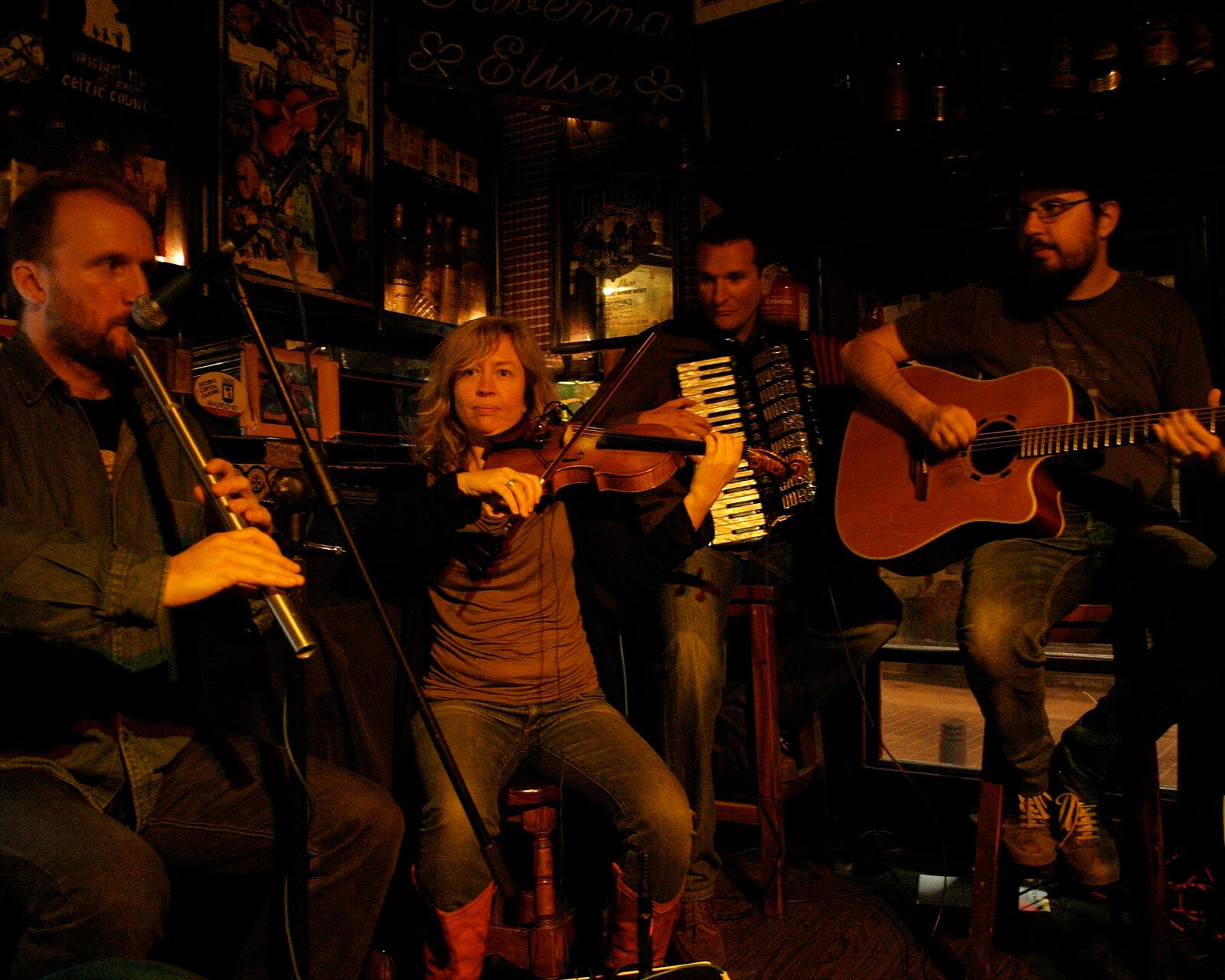
Madrid's cultural landscape today offers a rich tapestry woven from centuries of history, evolving yet retaining the essence of its traditional roots. For residents and visitors looking for things to do on July 4, 2026, exploring the city’s arts scene means engaging with a story that stretches back to the early 20th century, when Madrid began emerging as a hotspot for artistic innovation amid political upheavals.
Understanding the heritage of Madrid’s culture matters now more than ever. As the city prepares for its annual Veranos de la Villa festival, marking its 39th edition this year, local authorities emphasize connecting contemporary activities with the city’s historical identity. This approach reinforces Madrid’s standing as a global cultural destination while supporting local artists and venues struggling in the post-pandemic recovery.
Historic Venues and Current Cultural Hubs
Two emblematic venues illustrate this evolution vividly: the Teatro Real and Tabacalera. The Teatro Real, an opera house dating back to 1850, has witnessed Madrid’s shifting political and cultural tides. It reopened in 1997 after major renovations, offering a mix of classical opera and cutting-edge productions. Tickets for performances range from €15 to €150 depending on the event, ensuring accessibility for varied audiences.
Meanwhile, the Tabacalera in the Lavapiés neighbourhood symbolizes grassroots cultural reinvention. Originally a tobacco factory from the 18th century, it transformed into a contemporary arts centre in the 21st century. It now hosts experimental exhibitions, music venues, and resident artists’ studios. Its free entry policy has attracted a diverse crowd, turning this historic building into a lively hub of creativity and social engagement.
Numbers Tell the Story
The Instituto Nacional de Estadística (INE) reported last year that Madrid saw an increase of 12% in cultural tourism compared to 2024, with close to 7 million visitors attending theatres, museums, and live performances. During Veranos de la Villa, thousands flock to open-air concerts and art installations, launched in 1988 to boost local evening economies and celebrate Madrid’s summer nights. This year, 320 events are scheduled across 60 locations, including historical sites and newly revitalized neighbourhoods like Malasaña.
These figures are significant given the ongoing efforts by the Ayuntamiento de Madrid to support artistic initiatives with a €4.5 million cultural budget dedicated to restoration, programming, and outreach. Programs like Madrid Abierto, which spotlights emerging artists and hosts workshops in community centres like La Casa Encendida, help maintain the dynamic spirit that fuels the city’s cultural scene.
For anyone seeking to dive into Madrid’s cultural history through its present-day offerings, the next steps are both accessible and diverse. Visitors can catch a flamenco show near Plaza Mayor, visit the Museo Reina Sofía to see how Spanish contemporary art dialogues with the past, or attend live music sessions in El Rastro on weekends. Local cafés along Calle de la Palma offer perfect stops to reflect on the day’s exploration and glimpse the city’s ongoing cultural evolution.