culture
Madrid's Cultural Scene Powers European Creative Leadership This Summer
From the galleries of the Paseo del Arte to the independent stages of Lavapiés, Madrid is reasserting its position as a powerhouse of European creative life.
How we reported this
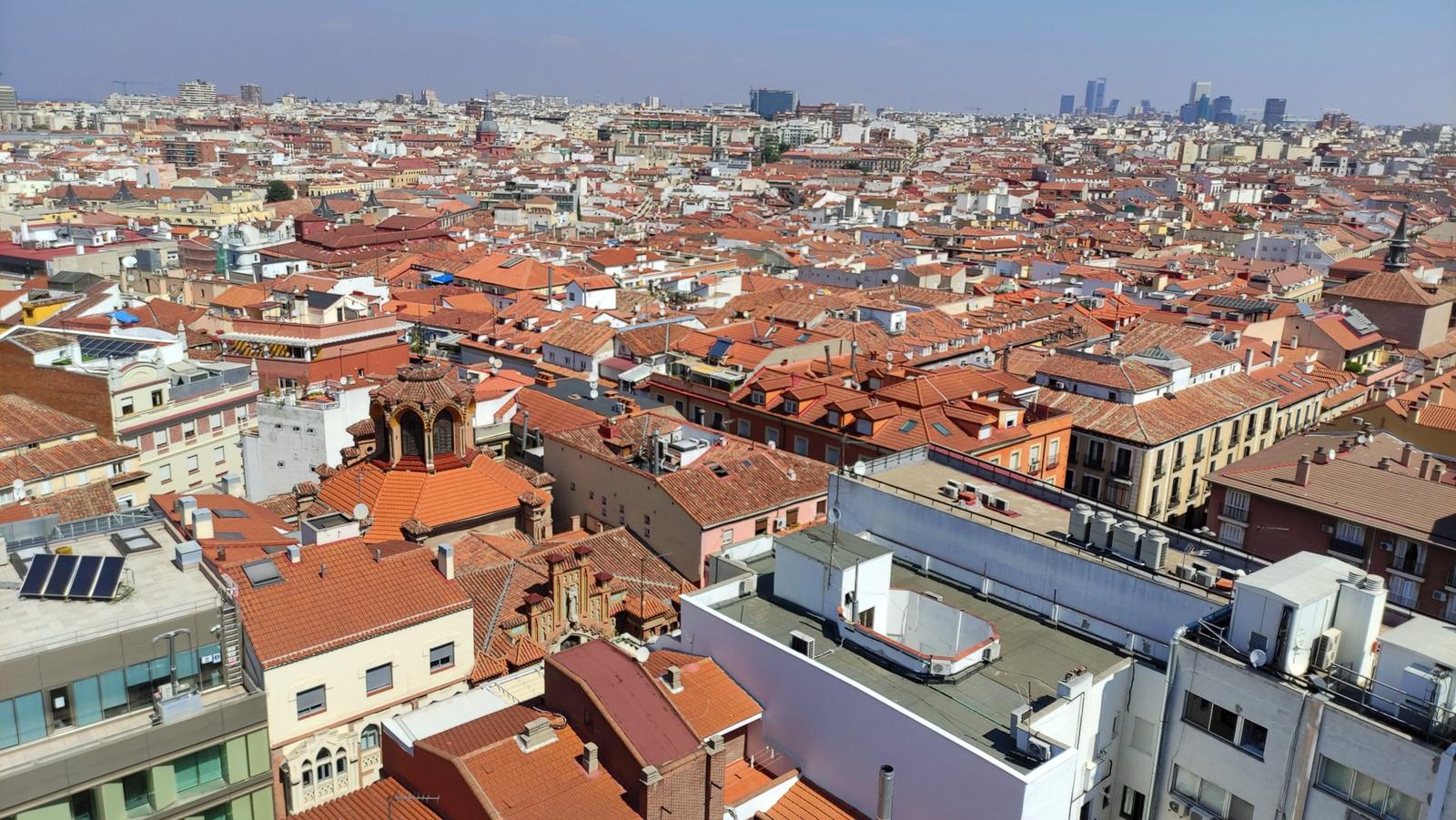
Madrid today pulse with a distinct, deliberate energy that transcends the typical seasonal slowdown. Across the capital, a shift is occurring in how the city positions its public spaces, moving beyond traditional tourism to cultivate a more immersive, artist-led identity. Residents and visitors alike are finding that the city's cultural infrastructure-long anchored by institutions like the Museo del Prado and the Reina Sofía-is now being actively reshaped by a younger generation of curators and independent creators.
The Rebirth of Local Creative Hubs
The transformation is most visible in the revitalized corridors of the Embajadores neighbourhood. Once industrial spaces, these venues have evolved into experimental hubs that bridge the gap between historical heritage and contemporary performance art. At the Matadero Madrid, the former slaughterhouse complex continues its tenure as a multidisciplinary centre, hosting rotating exhibitions that prioritize local talent over large-scale international commercial touring shows. This focus on domestic creative production serves as a clear statement of intent for the city’s artistic future.
Simultaneously, the gallery scene along Calle de Doctor Fourquet has seen a surge in activity. These small-scale, independent spaces are acting as the vanguard for emerging aesthetic trends in Spain. By hosting regular vernissages and open-studio days, these galleries foster a direct dialogue between the public and the practitioner, ensuring that the creative process remains accessible rather than sequestered behind institutional walls.
Metrics of a Growing Cultural Economy
This commitment to the arts is reflected in both policy and local investment. According to the 2026 budget reports published by the Ayuntamiento de Madrid, public funding allocated for cultural initiatives and maintenance of municipal heritage sites across the 21 districts has seen consistent support throughout the current fiscal year. The ongoing maintenance and operation of major venues, including the Conde Duque cultural centre, remain a central pillar of the city’s administrative strategy to support creative work.
For those looking to engage with this shift, the weekend offers a variety of entry points. Admission prices for the primary national museums remain tiered, with many offering free access windows during evening hours, such as the period from 6:00 p.m. to 8:00 p.m. at the Museo del Prado. Engaging with the city today means moving between these established landmarks and the smaller, independent pop-ups that appear weekly in the plazas of Chueca and Malasaña. Visitors should check the current schedule on the official Madrid Destino platform, which provides real-time updates on exhibition rotations and performance times to ensure a curated experience that aligns with the city's current cultural trajectory.