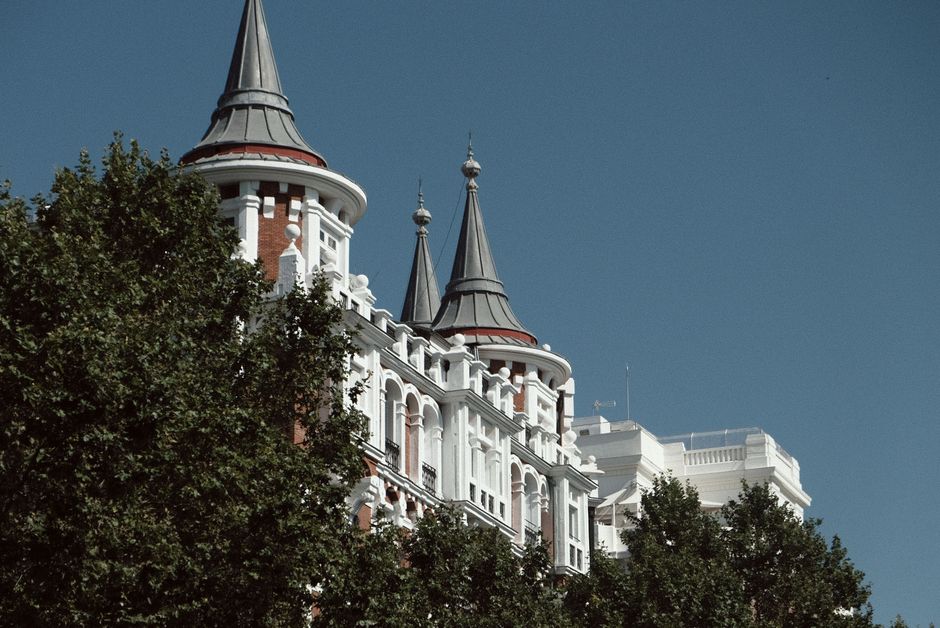
Walk along Calle Luchana or Calle Ponzano in Chamberí these days, and you'll notice something shifting beneath the neighbourhood's belle époque facade. The district that once epitomised old-money Madrid—where three generations attended the same Catholic school and childhood meant strict uniforms and Latin lessons—is quietly reinventing itself as a hub for progressive, hybrid education models.
The change mirrors broader demographic upheaval. Property values in Chamberí have climbed 23% since 2022, according to property portal Idealista, pushing out families of modest means and attracting affluent young professionals from tech, creative industries, and finance. These newcomers bring different priorities: bilingual education, STEAM-focused curricula, flexible learning environments, and increasingly, secular or non-denominational options.
Traditional strongholds like Colegio del Pilar and Nuestra Señora del Recuerdo still anchor the neighbourhood's identity, but they're now competing with newer entrants. Educational co-operatives and micro-schools have sprouted across the barrio—spaces like the learning commons that recently opened near Plaza Olavide, offering personalised, project-based approaches that contrast sharply with the hierarchical structures many parents themselves experienced.
The shift extends beyond pedagogy. After-school activities have evolved dramatically. Rather than mandatory piano lessons at the Conservatorio, families now juggle coding clubs, climate-action projects, and multilingual debate societies. Several schools along Calle Chamberí now offer extended care until 7 p.m., reflecting the reality that both parents typically work full-time.
Parents interviewed informally across the neighbourhood describe a curious tension: nostalgia for Chamberí's slower, more structured past, tempered by practical demands of contemporary life. Many appreciate that their children can attend schools emphasising emotional intelligence and civic engagement, yet worry the neighbourhood's soul—its sense of quiet respectability and deep-rooted community—risks dissolution.
International families represent roughly 18% of school-age children in Chamberí now, up from 8% a decade ago, schools report. This has accelerated demand for English-language immersion programmes and created unexpected demand for Spanish-as-heritage-language instruction.
Neighbourhood associations have responded by organising family forums addressing everything from screen time to school choice transparency. The Asociación de Vecinos de Chamberí recently launched a comprehensive guide to the district's educational landscape—a document that barely existed five years ago.
Whether Chamberí can balance modernisation with preservation remains the essential question for families choosing to raise children here. What's certain: the neighbourhood's approach to childhood, education, and family life looks fundamentally different than it did at the start of this decade.
This article was compiled by AI from the sources linked above and screened before publishing. See our editorial standards.