Why Madrid's Green Spaces Set It Apart From Every Other European Capital
From aristocratic gardens to radical urban forests, Madrid has crafted an outdoor living model that balances centuries of tradition with 21st-century sustainability.
From aristocratic gardens to radical urban forests, Madrid has crafted an outdoor living model that balances centuries of tradition with 21st-century sustainability.
Ask a Londoner about their parks, and they'll mention Hyde Park. A Parisian will cite Versailles. But Madrid residents know something these cities are still learning: that true urban green space isn't about size alone—it's about democratic access, year-round usability, and the cultural philosophy that binds them together.
The numbers tell part of the story. Madrid boasts over 283,000 hectares of protected green space within the metropolitan area, with nearly 1,500 parks distributed across the city proper. But what distinguishes Madrid isn't the acreage; it's the deliberate architecture of these spaces.
The iconic Retiro Park exemplifies this. Unlike many European flagship parks that function as tourist destinations first, locals second, the Retiro remains genuinely lived-in. On any given afternoon, you'll find retirees playing petanca alongside office workers on extended lunch breaks, while students occupy every available bench. The €40 million renovation completed in 2022 modernised facilities while preserving this democratic ethos—no velvet ropes, no premium zones.
But Madrid's real innovation lies in its neighbourhood-level transformation. The Madrileños a Pie initiative has systematically converted overlooked urban corridors into what residents call 'green lungs.' The Paseo del Prado extension, completed in 2023, demonstrates this philosophy perfectly: seamlessly integrating art institutions, urban forest canopy, and public seating without gentrifying adjacent neighbourhoods—a balance that Paris and Barcelona continue struggling to achieve.
Then there's the Rio Manzanares rehabilitation, an ongoing project that has reclaimed a previously neglected waterway as a genuine social infrastructure. The newly pedestrianised stretches between the Puente del Rey and Puente de Segovia cost Madrileños €120 million but generated no displacement crisis. Compare this to London's Thames-side development, where green space improvements invariably spike property values and push residents elsewhere.
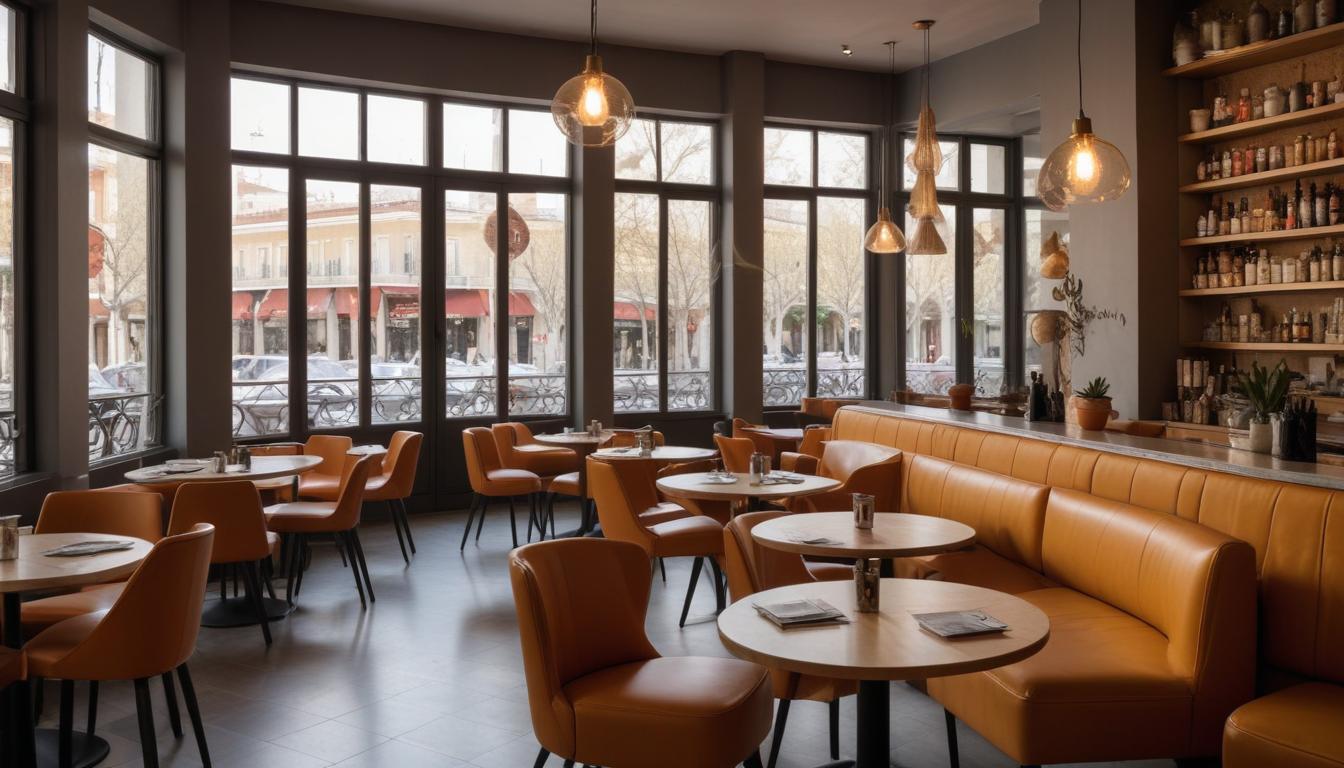
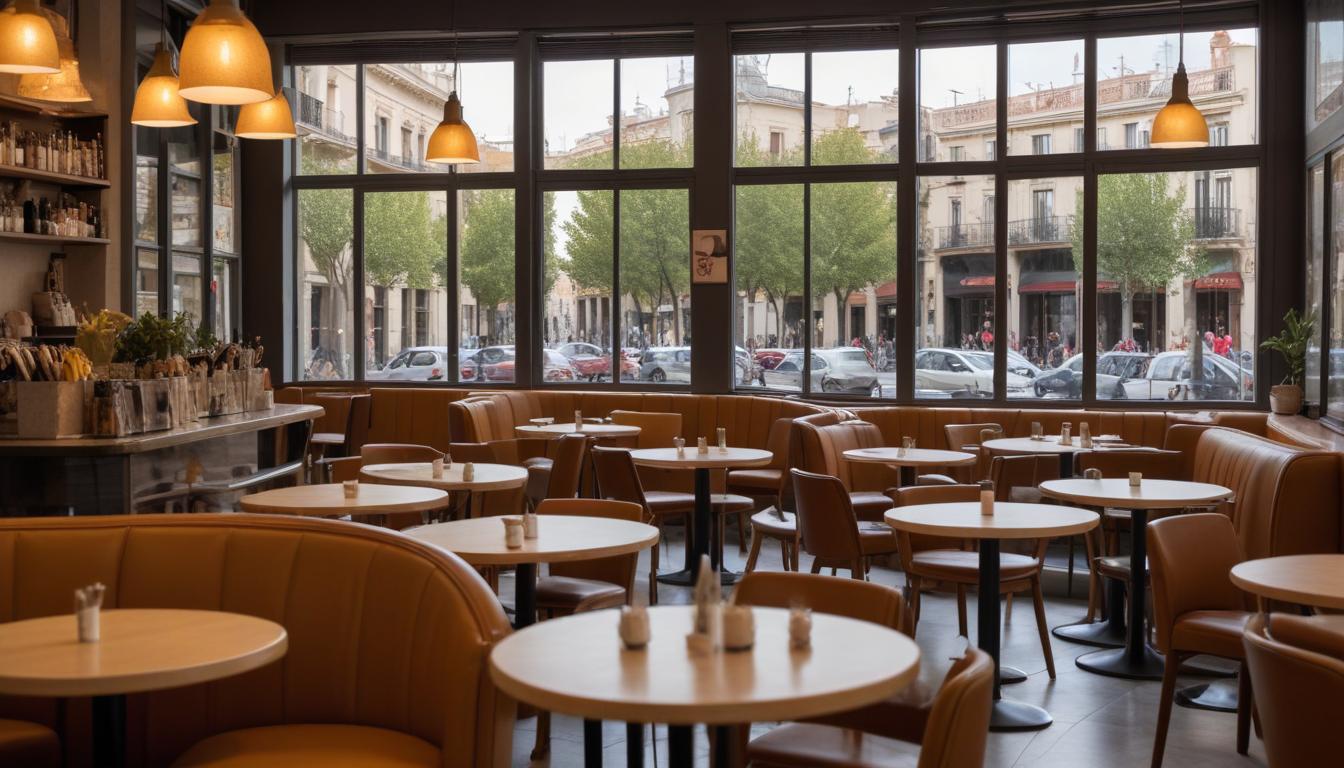
The seasonal rhythm also matters. Madrid's Mediterranean-influenced climate means these spaces function differently than in northern European cities. The 300+ annual sunny days mean outdoor culture isn't weather-dependent nostalgia—it's winter reality. Cafés operate year-round in plazas like Plaza Mayor and Plaza de Chueca, not as summer-only indulgences.
Perhaps most distinctively, Madrid integrates high design with accessibility. Studio Barozzi Veiga's Nuevo Vivero park in Vallecas and the ongoing Casa de Campo improvements represent serious architectural intervention, yet park entrance remains free and unrestricted.
As global cities increasingly recognise that green space drives both livability and property values, Madrid's model—treating parks as civic infrastructure rather than amenities, ensuring genuine neighbourhood distribution, and maintaining zero-barrier access—offers a blueprint competitors are quietly studying.
This article was compiled by AI from the sources linked above and screened before publishing. See our editorial standards.
How does this story make you feel?
Spread the word
About this article
Published by The Daily Madrid
Daily brief
Free, in your inbox before 7am. Weekdays.
More in lifestyle