Five years ago, Malasaña was the neighbourhood where your Spanish friends warned you about pickpockets but praised the vintage shops on Calle San Andrés. Today, it's unrecognisable to those who knew it then. The transformation is so complete that newcomers arriving in 2026 barely recognise the bohemian enclave their predecessors raved about.
The numbers tell the story. Property prices in Malasaña have climbed 40% since 2020, according to local estate agents, with average rent for a two-bedroom apartment now hovering around €1,200—a figure that would have seemed outrageous a decade ago. The neighbourhood's demographic shift has followed suit: international residents now comprise nearly 35% of the population, clustering around Plaza del Dos de Mayo and spreading eastward toward Chueca.
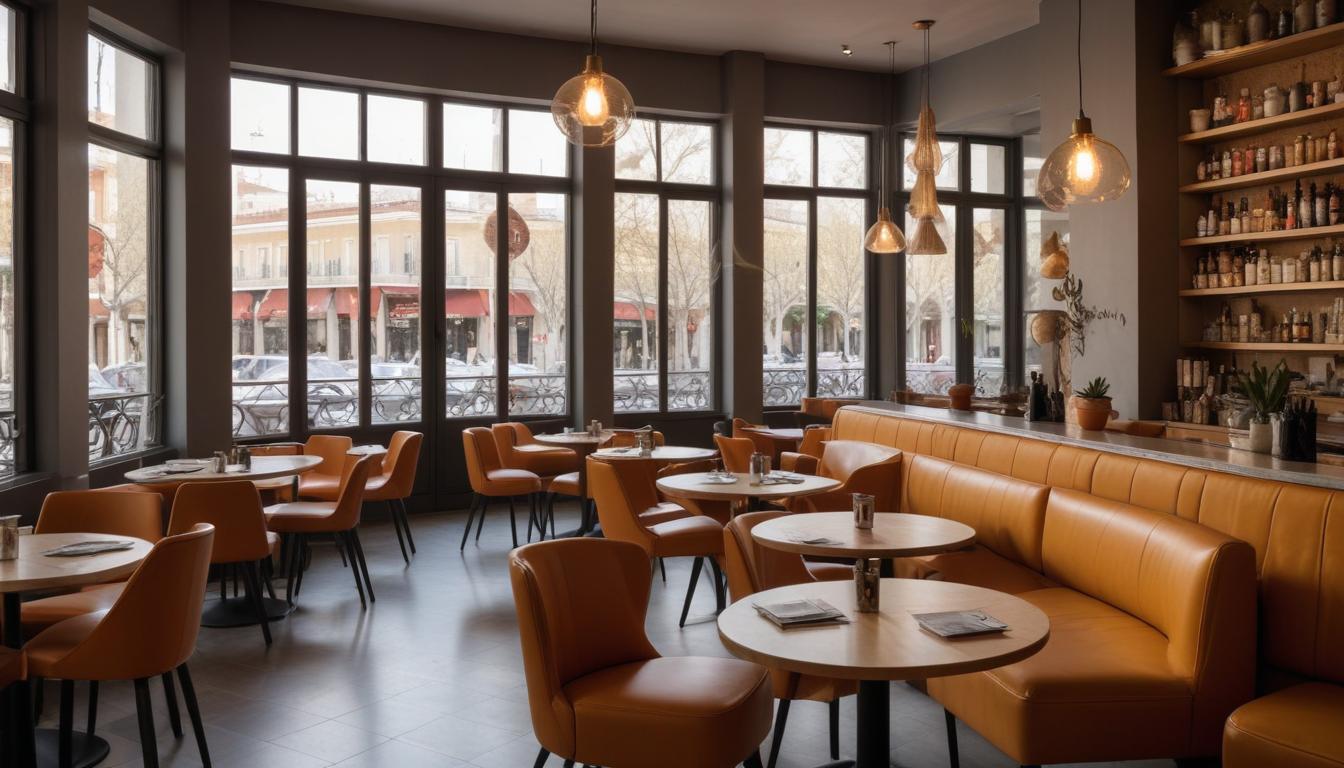
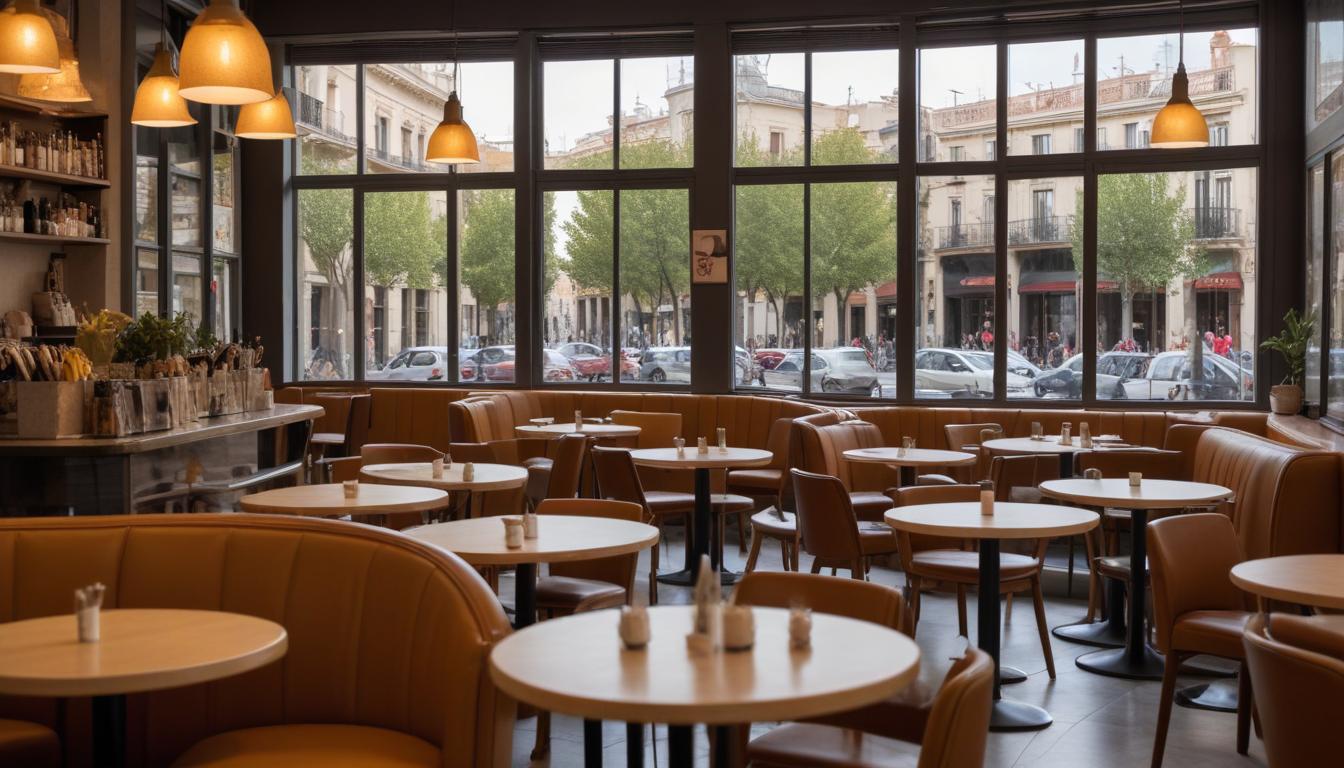
What's driving this? Infrastructure investment. The completion of upgraded metro connections and the proliferation of co-working spaces—particularly along Calle Velarde—has made Malasaña attractive to remote workers and digital professionals. International companies from tech to creative industries have opened satellite offices here, particularly around the Tribunal metro stop. Simultaneously, the traditional taller (workshop) culture that defined the neighbourhood has largely vanished, replaced by trendy brunch spots, boutique hotels, and international chains.
For expat newcomers, this evolution presents both opportunity and loss. The neighbourhood remains genuinely Spanish in pockets—the bars around Calle de la Luna still attract local workers, and the Saturday market at San Ildefonso retains its chaotic authenticity. But the days of discovering a €4 vermouth and raciones at a neighbourhood dive are fading. Expect €8-12 for cocktails at the new-wave venues now colonising former squatter spaces.
The shift has created tension. Long-term residents and artist collectives have organised resistance campaigns against further development, citing cultural erasure. Meanwhile, newer arrivals simply see an increasingly liveable, safer neighbourhood with better restaurants and reliable wifi—which, of course, is precisely what attracted them.
For those arriving now, the practical advice: if you crave authentic Madrid grit, look to neighbouring San Blas or Vallecas. If you want Malasaña's energy without the sticker shock, consider Lavapiés, which is following a similar trajectory but five years behind. But if you want to be where Madrid's international community is clustering—where your Zoom calls won't pick up construction noise and you can get a cappuccino made by an Australian barista at 8am—then Malasaña remains the neighbourhood to target. Just accept you're arriving for its future, not its past.
This article was compiled by AI from the sources linked above and screened before publishing. See our editorial standards.