Madrid's magic isn't found in guidebooks—it's discovered through daily rhythms, local traditions, and the willingness to turn a corner you've never explored. For residents settling in or rediscovering their barrio, the key to genuine city living lies in understanding the distinct personality of each neighbourhood and how to navigate it like a true madrileño.
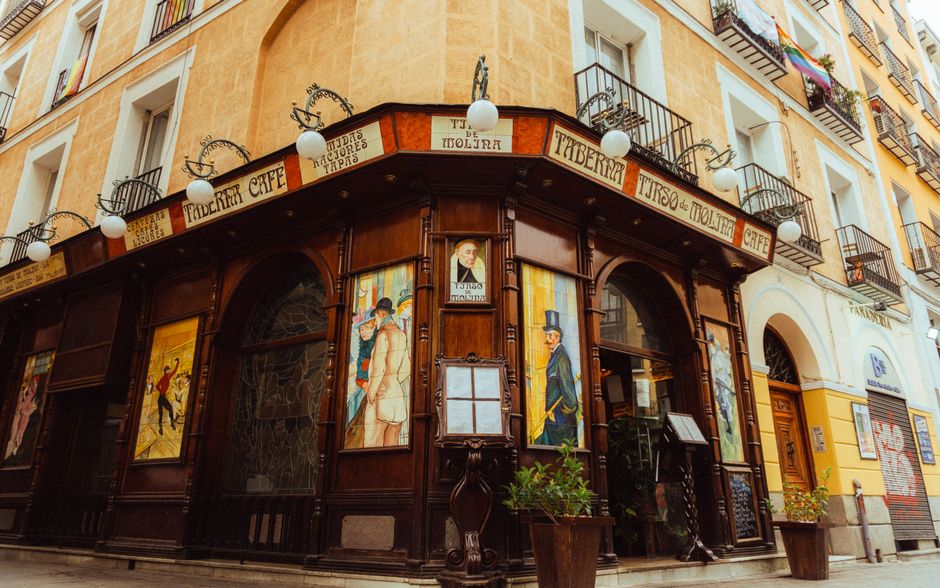
Start with what's immediately around you. If you live in Malasaña, Wednesday and Sunday mornings mean the neighbourhood's independent shops and vintage markets come alive. Plaza del Dos de Mayo becomes the social spine where neighbours gather, and the side streets—Espíritu Santo, Fuencarral—reveal affordable lunch spots where locals actually eat. Budget €12-15 for a menu del día at any neighbourhood comedor; these three-course workday specials are where Madrid's real food culture thrives. The neighbourhood's strong community associations, like the Asociación de Vecinos Malasaña, host monthly gatherings that welcome newcomers.
In Chueca, integration happens through proximity. The concentration of LGBTQ+-owned businesses and community centres creates natural gathering points, while the Plaza de Chueca itself functions as an open-air living room on weekends. The Mercado de San Antón—despite its transformation into a mixed-use space—still operates as a genuine market on lower floors where you can find produce from local vendors.
For those in Vallecas or Puente de Vallecas, the Sunday El Rastro overflow markets and the strong neighbourhood associations offer pathways to community participation. These traditionally working-class areas maintain tight social networks; showing interest in local cultural events and sports clubs opens doors quickly.
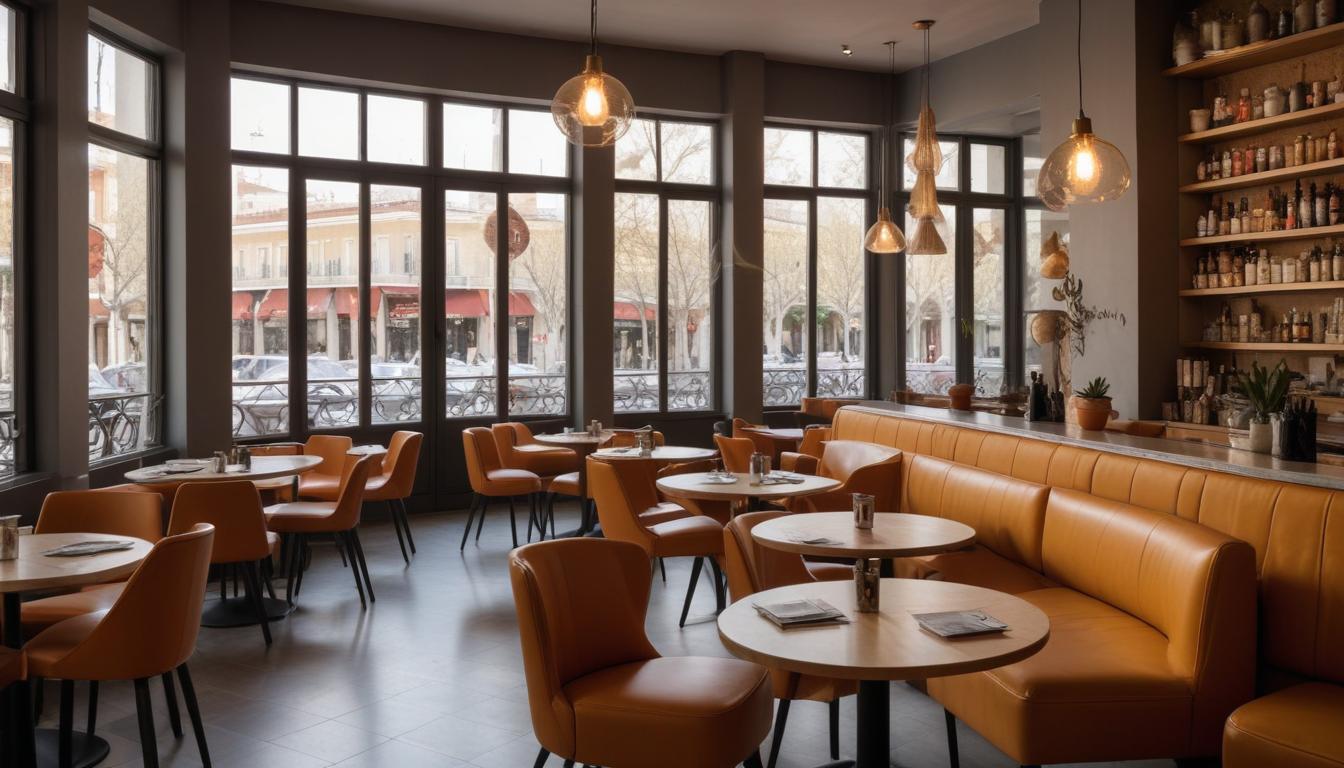
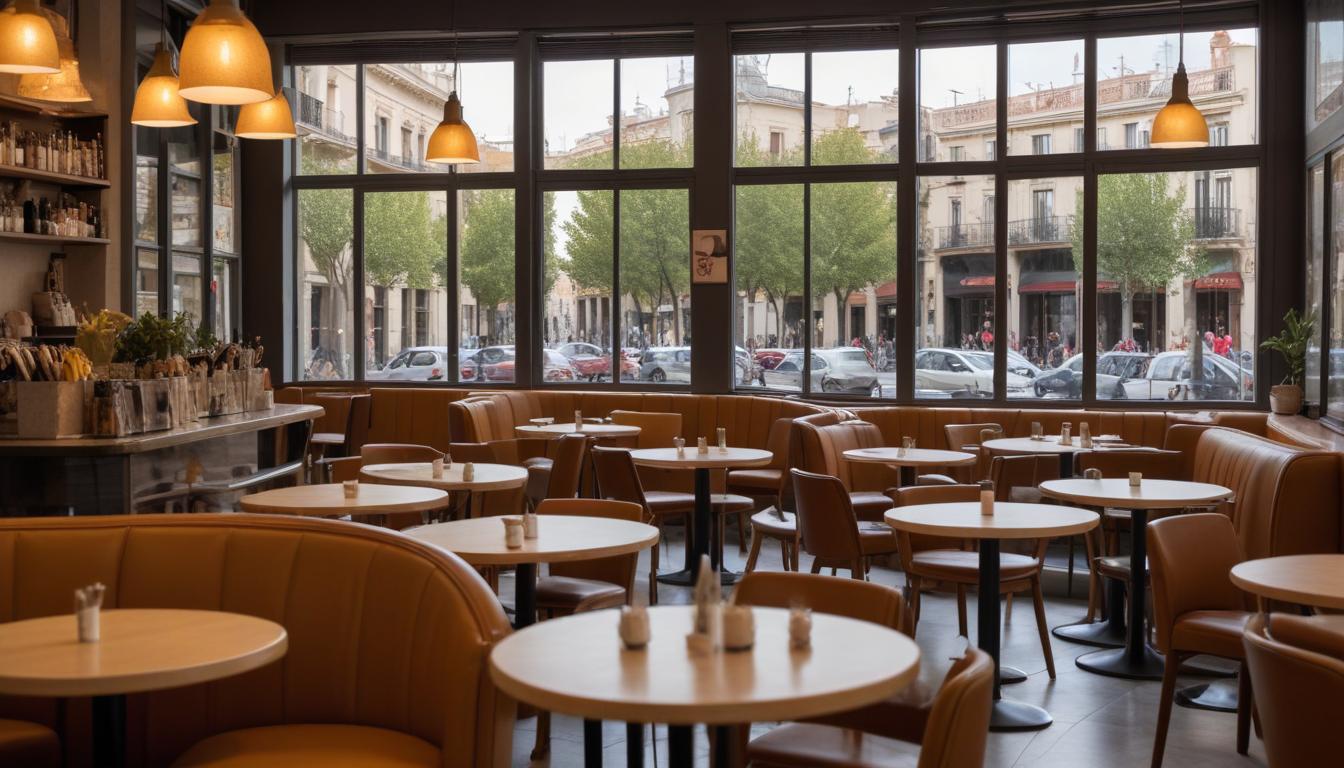
The practical approach: map your neighbourhood's mercado (market), identify 2-3 regular cafés, find the nearest parque público, and locate the local biblioteca (many offer free language exchanges and community events). Apps like Google Maps and neighbourhood WhatsApp groups—ask at your building—provide real-time information about street fairs, pop-up events, and neighbourhood concerns.
Pay attention to temporal rhythms. August transforms Madrid as locals flee; July brings outdoor cinema to parks and plazas. September marks the social year's true restart, with neighbourhood associations planning autumn activities. Most neighbourhoods host annual fiestas (Malasaña in August, Chueca in June)—these aren't tourist events but genuine community celebrations where integration actually happens.
The residents who feel most connected to Madrid aren't those who visit monuments repeatedly. They're the ones who recognize the woman at their corner tienda, who know which neighbourhood bar shows the match their friends care about, and who've attended at least one local association meeting. That's when the city stops being where you live and becomes where you belong.
This article was compiled by AI from the sources linked above and screened before publishing. See our editorial standards.