Madrid's neighbourhood mythology runs deep. Malasaña is bohemian. Salamanca is wealthy. Chueca is gay-friendly. But ask someone who actually pays rent in these districts, and you'll hear a different story—one shaped by morning commutes, rising costs, and which café owners remember your name.
In Malasaña, the vintage-shop romance masks a harder reality. Long-time residents report that studio apartments now rent for €850–950 monthly, up nearly 40% since 2022. Yes, the neighbourhood retains creative energy around Plaza del Dos de Mayo, but many creatives have migrated to Vallecas or Villaverde, where a one-bedroom runs €700–800. The honest recommendation from locals: visit for the bars and Thursday evening energy, but consider living elsewhere if you're budget-conscious.
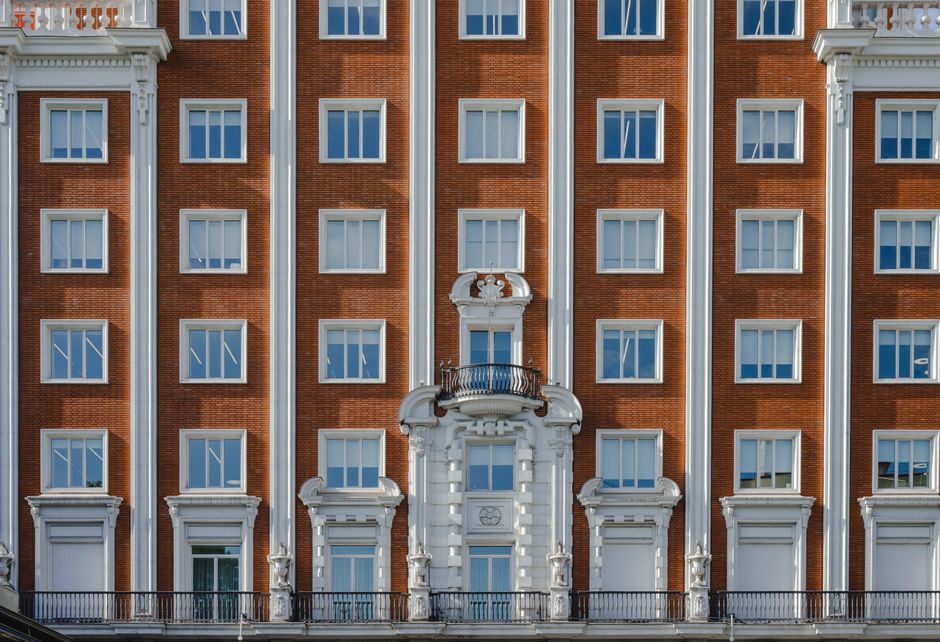
Salamanca presents an inverse problem. Wealthy and orderly, with tree-lined Calle Serrano and its flagship boutiques, it's increasingly corporate. Long-term residents note that independent shopkeepers have been squeezed by chains; family-owned restaurants are rarer. But locals praise the neighbourhood's green spaces—Parque del Retiro is adjacent—and the quality of life if you can afford it. Expect €1,200+ for a modest flat.
Chueca, historically Madrid's LGBTQ+ hub, has undergone gentrification that even residents acknowledge with mixed feelings. The community remains active, but nightlife has shifted upmarket. Local tip: explore Mercado de San Antón for food stalls and people-watching, but venture into adjacent Justicia neighbourhood (slightly less touristed, equally vibrant) for authentic dining and lower prices.
For those seeking liveable authenticity, locals consistently point to Tetuán, Chamberí, and increasingly, Latina. Tetuán offers genuine residential calm with vintage cinemas and local bars untouched by Instagram. Chamberí maintains neighbourhood character without Malasaña's crowds—try Calle Luchana for evening walks. Latina, Madrid's oldest quarter, rewards wandering its medieval lanes, though tourist density peaks around La Latina itself; slip into side streets for neighbourhood restaurants.
The universal local wisdom: arrive without assumptions. Instagram sells one Madrid; residents live another. The best neighbourhoods depend on your budget, lifestyle, and tolerance for change. Visit multiple barrios at different times. Eat where workers eat. Ask shopkeepers what's changed. Madrid's real story emerges not from guidebooks, but from conversations with people who've chosen to stay.
This article was compiled by AI from the sources linked above and screened before publishing. See our editorial standards.