Malasaña's Bar Scene Is Getting Older (And More Thoughtful)
As Madrid's trendiest neighbourhood matures, its nightlife is shifting from high-volume clubs to intimate wine bars and conversation-focused spaces.
As Madrid's trendiest neighbourhood matures, its nightlife is shifting from high-volume clubs to intimate wine bars and conversation-focused spaces.
Walk down Calle San Andrés on a Friday night and you'll notice something unexpected: the bass is quieter. The crowds are smaller. And nobody seems to be checking their phone for the next after-party location.
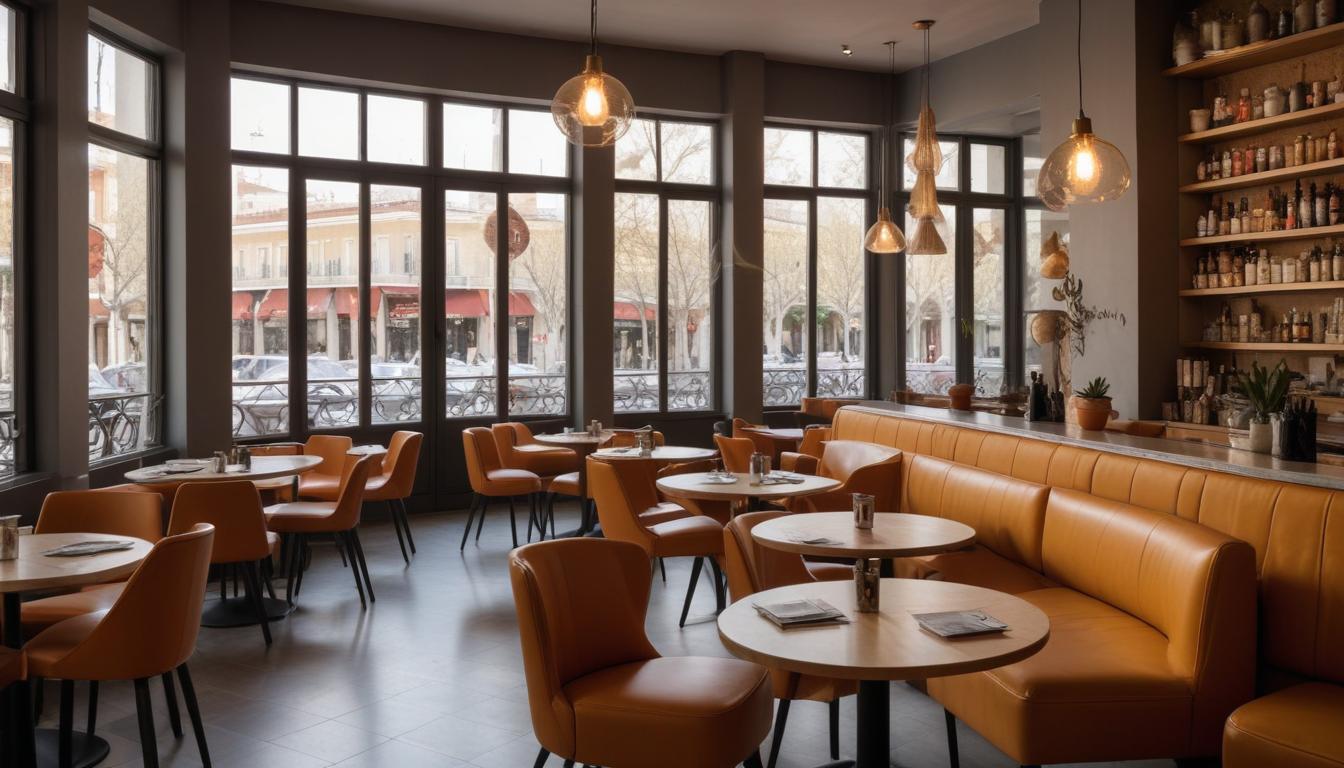
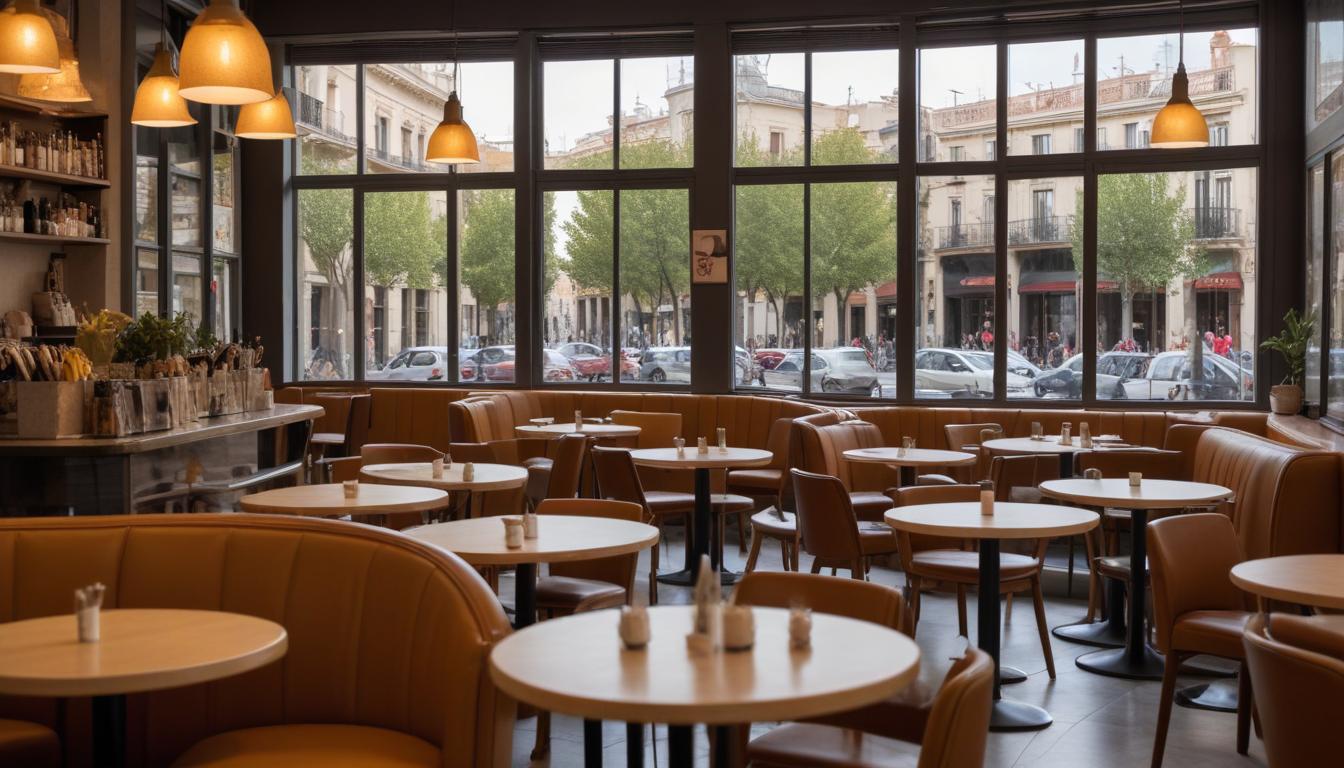
Malasaña, the neighbourhood that defined Madrid's nocturnal identity for two decades, is quietly reinventing itself. The proliferation of craft cocktail bars, natural wine venues, and conversation-centric spaces suggests a fundamental shift in how the city's most culturally significant district approaches going out.
The numbers tell part of the story. According to data from Madrid's hospitality association, venues in Malasaña focusing on experiential drinking—wine bars, mezcal lounges, and heritage spirits establishments—have increased by roughly 35% since 2022. Meanwhile, traditional high-capacity nightclubs have either downsized or relocated to peripheral neighbourhoods like Puente de Vallecas and Carabanchel.
"We're seeing clientele that wants to stay for three hours and have a conversation, not eight hours of dancing," explains the hospitality landscape in practical terms. The shift reflects broader Madrid demographics: the neighbourhood's population has aged alongside its original residents, many of whom stayed despite skyrocketing rents. Young professionals earning €28,000-€35,000 annually prefer venues offering better value than the €15-€20 cocktails commanding Chueca's tourist-heavy strips.
Calle del Espíritu Santo has emerged as the epicentre of this transformation. Where electronic music venues once dominated, natural wine bars and intimate cocktail spots now cluster densely. Neighbourhood organisations like the Asociación de Comerciantes de Malasaña have begun promoting "slow nights"—deliberately programming quieter hours to accommodate residents working irregular schedules.
The evolution reflects Madrid's maturation as a European capital. Cities like Barcelona and Lisbon experienced similar transitions as their bohemian quarters gentrified and aging creative communities demanded more sophisticated nightlife options. Malasaña's transformation suggests Madrid's cultural identity is becoming less about quantity and volume, and more about quality and intentionality.
Yet concerns persist. Activists worry that as venues become more refined—and more expensive—working-class Madrileños who built the neighbourhood's original character will be priced out entirely. Small independent bars that once charged €3 for a caña are now €5, with wine selections starting at €25 per bottle.
What's clear is that Malasaña's nightlife future belongs neither to the hedonistic 2000s nor to the Instagram-driven 2010s. Instead, it's becoming something more complicated: a neighbourhood where going out means settling in, where bartenders know your name, and where the conversation matters more than the lighting.
This article was compiled by AI from the sources linked above and screened before publishing. See our editorial standards.
How does this story make you feel?
Spread the word
About this article
Published by The Daily Madrid
Daily brief
Free, in your inbox before 7am. Weekdays.
More in lifestyle