Madrid's weekend character isn't written in guidebooks—it's lived in the neighbourhood bars, markets, and plazas where locals actually spend their free time. Step beyond the Prado and Plaza Mayor, and you'll discover how deeply each district's identity shapes how madrileños relax.
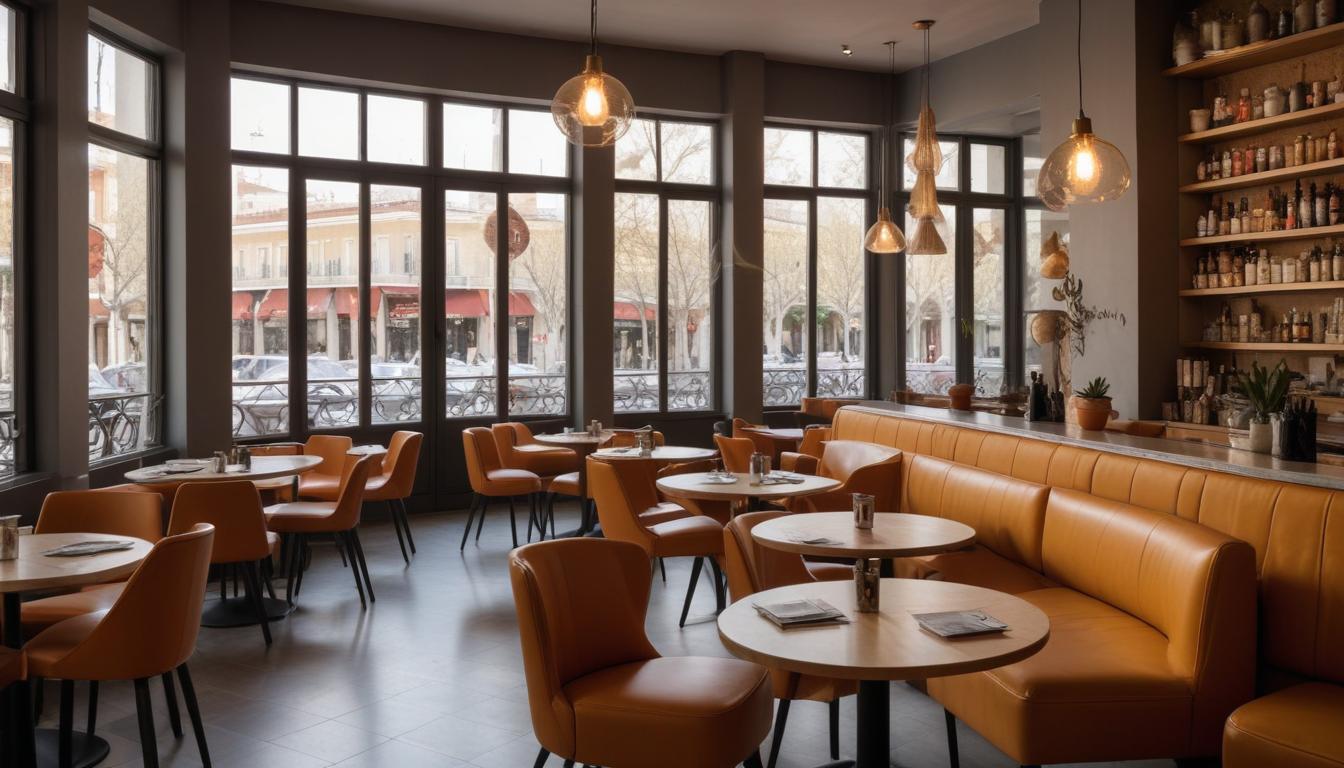
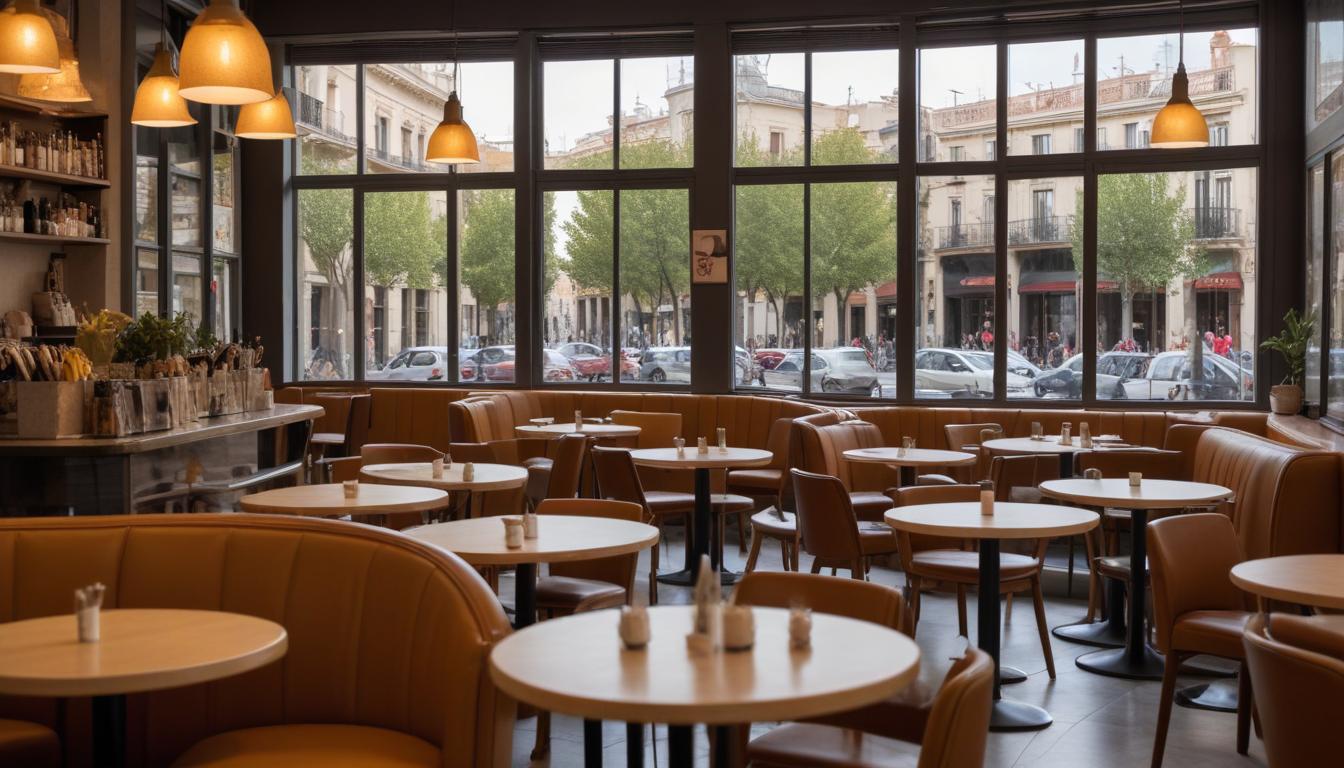
In Malasaña, the weekend pulse centres on Plaza del Dos de Mayo, where vintage shops and independent cafés create a deliberately bohemian energy. The neighbourhood's youth-driven character—roughly 40% of residents are under 35—manifests in the Saturday morning energy around Mercado de San Antón, where brunch crowds spill onto terraces on Calle San Vicente Ferrer. The vibe here is deliberately anti-establishment: vintage markets, street art, independent bookshops like Librería Tipos Infames. A coffee runs €2.50; a full breakfast around €12-15.
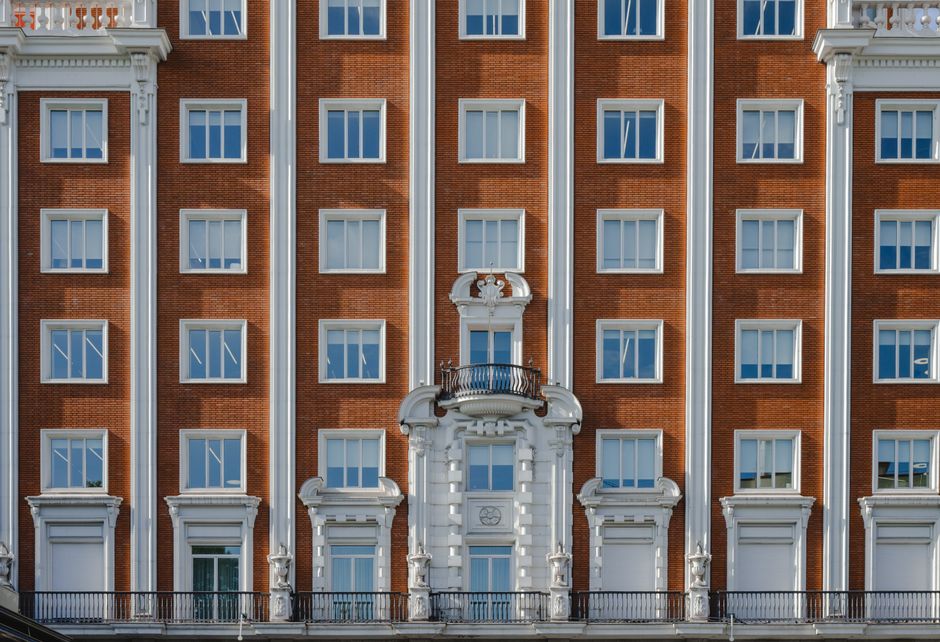
Salamanca tells an entirely different story. Paseo de la Castellana's tree-lined stretches and the neighbourhood's concentration of design boutiques reflect a more affluent, refined leisure culture. Here, weekends mean leisurely shopping on Calle Serrano, gallery visits, and lunch at establishments where €25-35 per person is standard. The neighbourhood's character emerges through its orderly elegance: manicured parks, contemporary art spaces like Galería Soledad Lorenzo, and the unhurried pace of those with time and resources.
Meanwhile, Chueca operates as Madrid's creative neighbourhood par excellence. Once Madrid's red-light district, it's transformed into a hub where independent venues, LGBTQ+ culture, and artistic communities define the weekend atmosphere. The Saturday market at Plaza de Chueca (operating since the neighbourhood's 1995 revitalisation) draws 8,000-12,000 visitors weekly, creating an intensely social environment where strangers become temporary community members.
For day-trip seekers, the neighbourhood character extends outward. San Isidro's riverside walks along the Manzanares—revitalised significantly since 2020—attract families and weekend cyclists. Toledo's day-trippers, meanwhile, often begin in Lavapiés, Madrid's bohemian southern gateway, before heading south.
What emerges across these weekend spaces isn't homogeneous leisure culture but rather distinct neighbourhood personalities reflecting their communities' values, histories, and economic realities. A madrileño's weekend choice of neighbourhood reveals as much about their lifestyle philosophy as their bank balance. Understanding this geography of character—not just knowing the names of places, but grasping their actual social texture—transforms Madrid weekends from tourist activities into authentic neighbourhood immersion.
This article was compiled by AI from the sources linked above and screened before publishing. See our editorial standards.