The Retiro has long been Madrid's go-to weekend escape, but anyone who visited even five years ago would barely recognise the experience unfolding along its 118 hectares today. While the Crystal Palace and rowing lake remain fixtures, the neighbourhood's leisure ecosystem has fundamentally shifted, reflecting broader changes in how madrileños spend their free time.
The transformation is most visible in the cultural programming. The Fundación Mapfre's recent takeover of exhibition scheduling has brought curated contemporary art installations to the Casa de Vacas, drawing a markedly different crowd than the street performers who once dominated the space. Weekend attendance at these exhibitions has climbed 34 per cent year-on-year, according to visitor data analysed by the Retiro Foundation. Entry remains affordable at €8 for most shows, yet the shift signals a neighbourhood eager to position itself as destination rather than default.
Wellness has become the neighbourhood's quiet obsession. The proliferation of yoga and meditation sessions—both formal classes through the Ayuntamiento's expanded programming and informal gatherings near the Cascada waterfall—suggests locals view the Retiro less as theme park and more as restorative space. Several unauthorised wellness instructors now operate near Paseo de Coches, though the local council is gradually formalising these arrangements with designated zones.
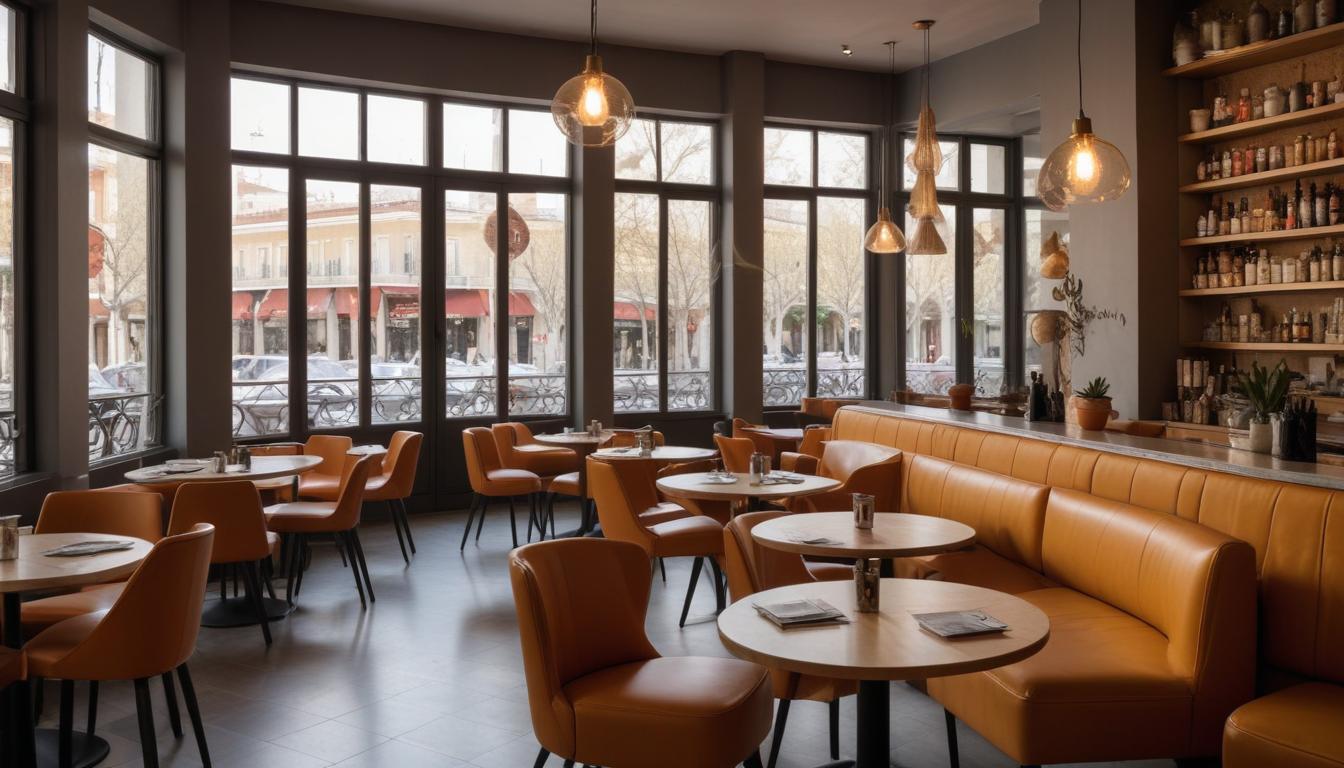
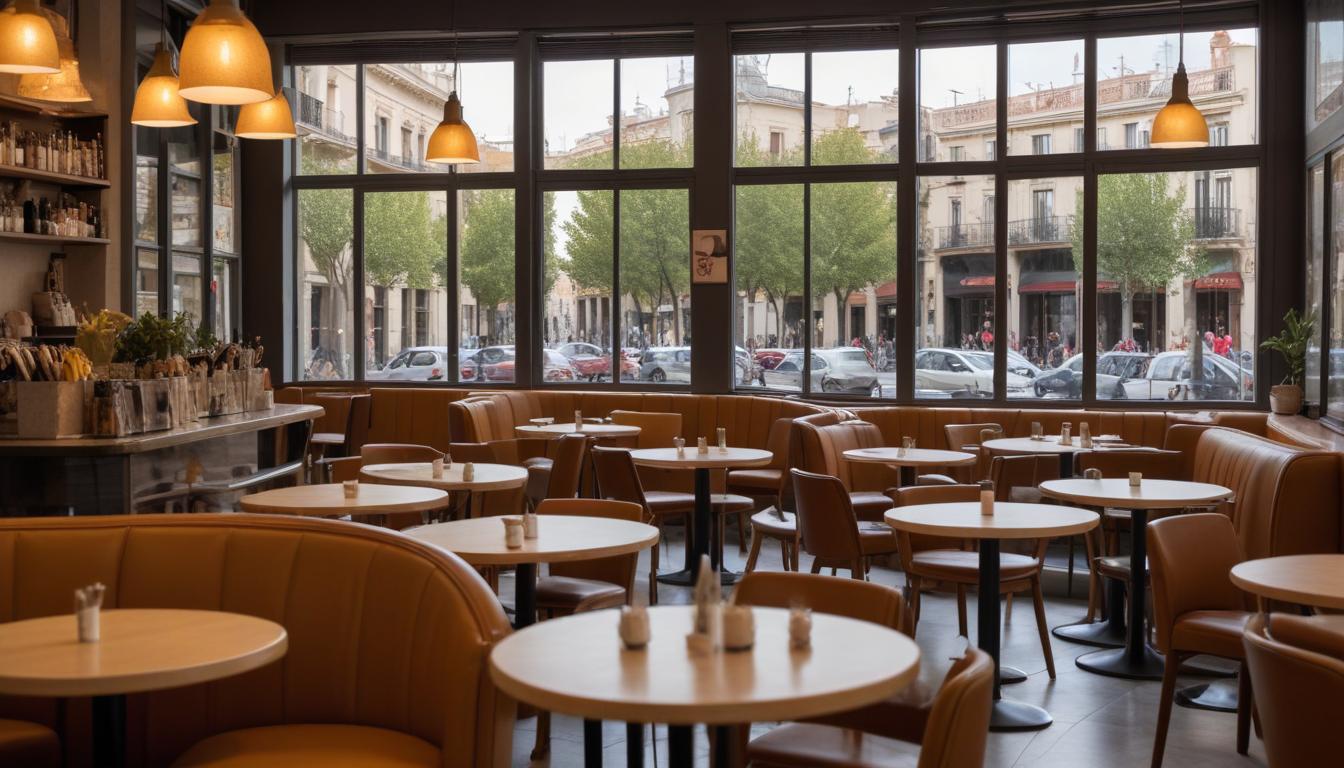
The food landscape tells perhaps the most compelling story. Traditional menu del día establishments on Calle de O'Donnell have given way to sustainable-focused cafés and health-conscious dining. The arrival of three farm-to-table concepts within a ten-minute walk of the park's main entrance reflects changing appetites—both literal and figurative. Weekend brunch culture, virtually non-existent here a decade ago, now drives Saturday and Sunday footfall.
Not everyone celebrates these changes. Local residents worry the Retiro is gradually pricing out working-class families who've always viewed it as their democratic right to access nature. A single coffee at newer establishments can exceed €5, a significant jump from the €1.50 price point of five years past. The removal of several informal market stalls along Paseo de la República del Perú has further altered the neighbourhood's character.
Yet adaptation appears inevitable. Madrid's weekend economy is professionalising, and the Retiro—historically responsive to broader city trends—is no exception. For those seeking the old Retiro experience, it persists in quieter corners and earlier morning hours. For everyone else, the park is offering something newly refined: a weekend destination that promises culture, wellness, and Instagram-worthy moments in equal measure.
This article was compiled by AI from the sources linked above and screened before publishing. See our editorial standards.