Skip the Tourist Traps: What Madrid's Real Residents Actually Buy and Where
We asked locals who navigate the city's markets daily for their unfiltered tips on finding quality, value, and authenticity beyond the obvious.
We asked locals who navigate the city's markets daily for their unfiltered tips on finding quality, value, and authenticity beyond the obvious.
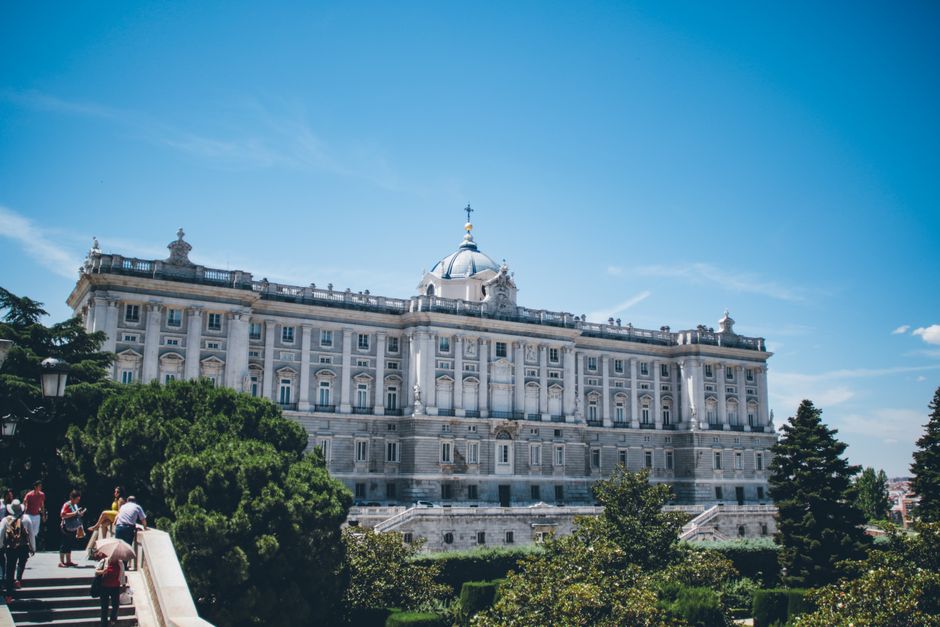
Madrid's retail landscape has transformed dramatically over the past five years, yet most visitors still circle the same three neighbourhoods. Meanwhile, the people who actually live here—the ones buying groceries on Wednesday evenings and hunting for weekend finds—have mapped out an entirely different city.
Start with produce. The Mercado de la Paz in Salamanca, open since 1941, remains the gold standard for locals despite its central location. While tourist-heavy markets charge €4 for a kilo of strawberries, vendors here negotiate prices downward if you're buying three kilos. Recent foot traffic data shows mornings between 9-11am are optimal; afternoons after 6pm mean crowds and picked-over stock. The market's 70-odd stalls operate on a genuine first-come, best-served basis.
For vintage and secondhand, forget the curated Instagram spots. Real madrileños head to Fuencarral in Malasaña, where independent boutiques—many run by the same owners for 15+ years—stock genuinely interesting pieces at €15-45. The neighbourhood's density means you can hit seven shops in 90 minutes. Prices here undercut tourist-focused Chueca by roughly 30 percent.
The Sunday El Rastro flea market deserves nuance. Yes, it's mobbed. But locals who've shopped there for decades swear by arriving before 9am and heading directly to the quieter southern sections around Ronda de Toledo. The first two hours yield better bargains and genuine conversation with sellers rather than transactional haggling.
For everyday essentials with character, the neighbourhood markets—Mercado de San Fernando in Lavapiés, Mercado Barceloneta in Tetuán—operate Tuesday through Saturday with prices 10-15 percent below supermarket chains. These aren't Instagram moments; they're where working madrileños actually buy dinner.
Real estate professionals and long-term residents consistently mention El Corte Inglés's upper floors as underutilised. The department store's household goods and fashion sections see far fewer tourists than ground level, meaning better service and less overwhelming crowds. End-of-season sales (late July and January) shift inventory dramatically.
One consistent theme emerged: locals avoid peak hours entirely. Shopping at 3pm on a Tuesday in June means shorter queues, fresher stock, and time to actually inspect purchases. The city's retail rhythm follows working and school schedules, not guidebook recommendations.
Madrid rewards patient exploration. The best finds aren't products—they're the quiet neighbourhoods and morning hours when the city still belongs to the people who actually live here.
This article was compiled by AI from the sources linked above and screened before publishing. See our editorial standards.
How does this story make you feel?
Spread the word
About this article
Published by The Daily Madrid
Daily brief
Free, in your inbox before 7am. Weekdays.
More in lifestyle