Walk down Calle del Espíritu Santo in Malasaña on a Saturday morning, and you'll witness Madrid's neighbourhood spirit in motion. Market stalls spill onto pavements, neighbours greet each other by name, and the kind of spontaneous interaction that makes cities feel human rather than transactional unfolds naturally. This is where Madrid's real character lives—not in glossy postcards of the Prado, but in the everyday lives of residents who've chosen to put down roots.
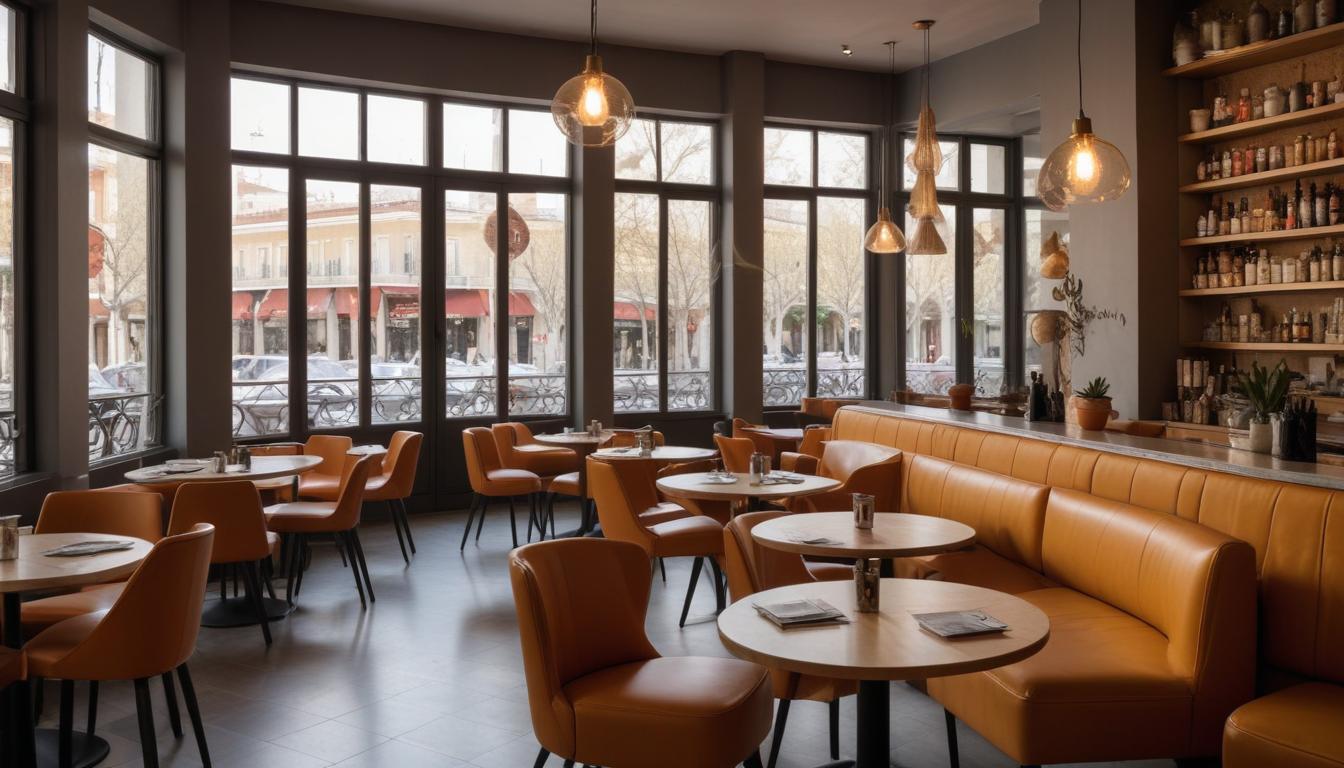
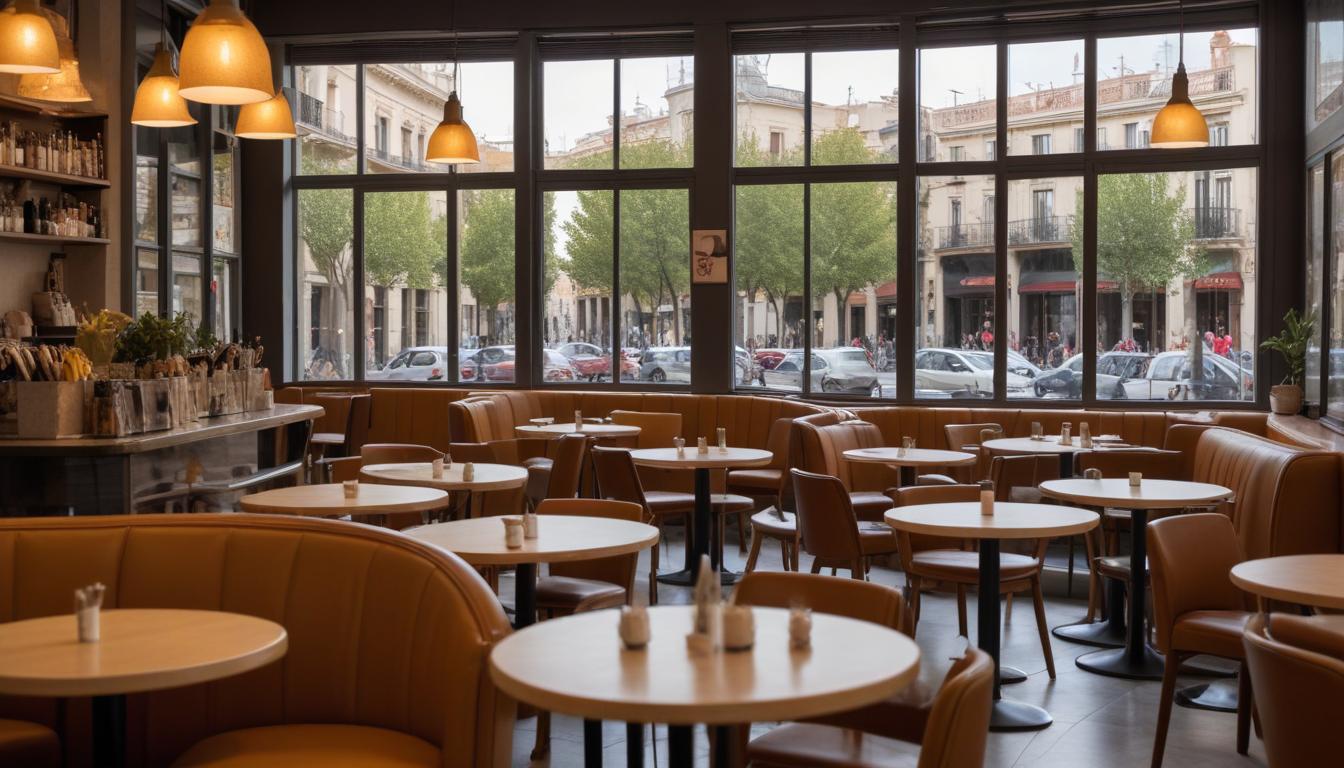
Malasaña itself has transformed dramatically. Once Madrid's roughest quarter, it's now become a magnet for creative professionals and young families willing to invest in neighbourhood life. Average rents hover around €950 monthly for a one-bedroom apartment, considerably less than the €1,200+ demanded in Salamanca or Chamberí. But the real value lies in community infrastructure: the neighbourhood boasts over forty independent cafés, three community centres run largely by volunteers, and the iconic Mercado de San Ildefonso, where local producers have operated for generations.
Several neighbourhoods north of Gran Vía tell similar stories of grassroots transformation. In Vallecas, traditionally working-class and overlooked by tourism boards, residents have established urban gardens across abandoned lots. The Huerta Comunitaria de Vallecas now hosts over two hundred families cultivating vegetables, flowers, and a genuine sense of shared purpose. It's modest—perhaps 800 square metres of reclaimed land—yet it represents something increasingly precious: a neighbourhood reclaiming its own narrative.
The faces behind these changes are diverse. Teachers, retired engineers, immigrant entrepreneurs, artists, and long-term residents who remember Madrid before globalisation homogenised it. What unites them is a deliberate choice: to engage with their immediate surroundings rather than treat their neighbourhood as mere accommodation.
This matters now more than ever. As Madrid's population density increases—the city proper now exceeds three million residents—the question of livability becomes urgent. Neighbourhoods succeed or fail based on whether residents actively participate in their communities. Social centres like Casa del Pueblo in Lavapiés or the Ateneo Libertario in Arganzuela provide free language classes, art workshops, and gathering spaces that cost little but generate enormous social cohesion.
For those considering a move to Madrid, neighbourhood choice should reflect not just commute times or flat prices, but whether you're willing to become part of a community actively shaping its future. Because that's ultimately what makes Madrid special—not architecture or history, but the thousands of ordinary people choosing to make their corner of the city extraordinary.
This article was compiled by AI from the sources linked above and screened before publishing. See our editorial standards.