Moving to a new city is daunting. Moving to Madrid—a sprawling capital of 3.3 million people—can feel overwhelming. Yet countless expats discover that what transforms relocation from logistical nightmare into genuine belonging is rarely the famous sights. It's the people: the neighbours, community organisers, small business owners, and fellow relocated professionals who populate Madrid's most vibrant corners.
Take the thriving expat networks that operate quietly across the city. In Malasaña, bohemian hub north of the city centre, international newcomers cluster in co-working spaces and cultural associations. The neighbourhood has become synonymous with young arrivals—average rent hovers around €750 for a one-bedroom flat, compared to €900 in central Salamanca. But beyond the affordable studios and vintage cafés, it's the informal mentor relationships that cement people's decision to stay. A British marketing professional connects with an Italian architect at a local event; a French designer befriends the Madrileño owner of a pequeño bar who becomes her cultural translator.
Chamberí, the elegant district east of Gran Vía, tells a different story. Here, established expat families—many working in finance, education, or tech—have built genuine community infrastructure. Several international schools cluster around this neighbourhood, and the presence of longer-term foreign residents has created unofficial support networks that help newcomers navigate everything from healthcare registration (crucial in Spain's bureaucratic landscape) to finding trustworthy plumbers and accountants who speak English.
What strikes journalists and researchers studying Madrid's expat experience is how organic these connections remain. Unlike some global cities where expatriate life exists in parallel bubbles, Madrid's best-integrated newcomers tend to be those who venture beyond expat-only circles. They attend Spanish language intercambio sessions at neighbourhood libraries, join local running clubs, frequent family-run restaurants where staff gradually become familiar faces.
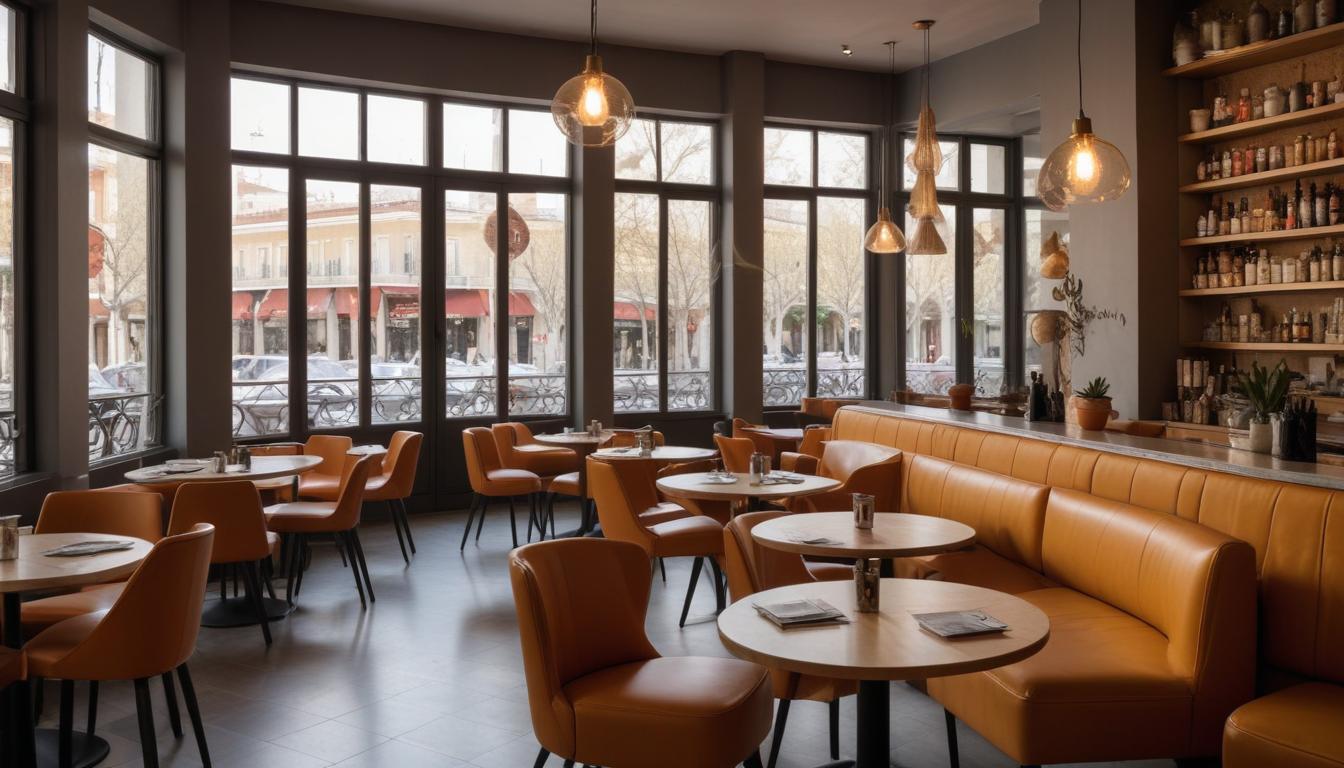
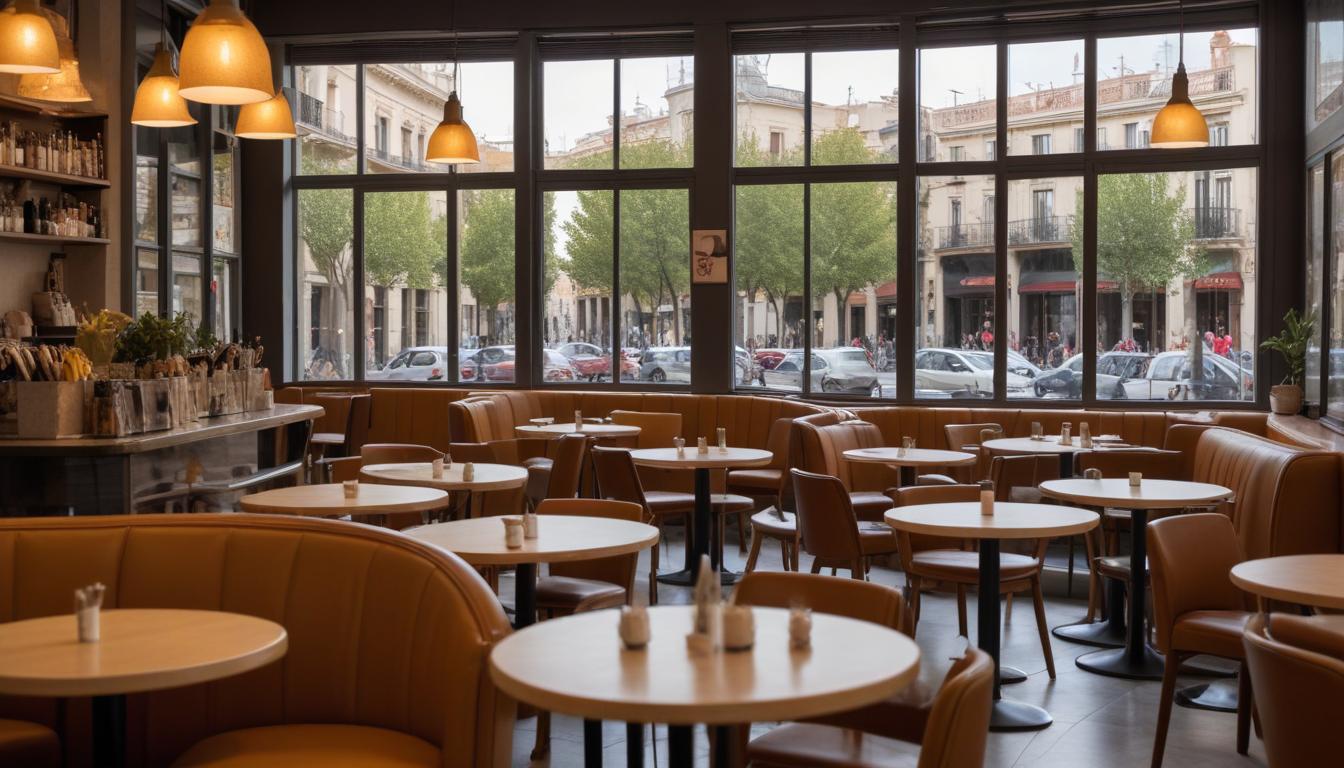
The city's public spaces facilitate this naturally. The terraza culture—those essential outdoor café seating areas dotting streets like Calle Fuencarral—creates daily opportunities for casual interaction. A Canadian architect, a Spanish psychologist, and a Portuguese entrepreneur might occupy adjacent tables, separated only by a few euros and a shared appreciation for Madrid's eternal summer sociability.
For newcomers arriving in 2026, the practical challenges remain: visa requirements, apartment hunting, administrative procedures that would test anyone's patience. But ask anyone who's successfully settled here, and they'll invariably mention a person—rarely a place—who made the difference. Madrid's true draw isn't its museums or neighbourhoods alone. It's the generous, welcoming individuals embedded throughout them.
This article was compiled by AI from the sources linked above and screened before publishing. See our editorial standards.