Expat Living Costs Madrid: Why It Beats Paris & Berlin
Discover why expats choose Madrid's affordable neighborhoods like Chueca over pricier European capitals, with central apartments from €900 and metro access across the city.
Discover why expats choose Madrid's affordable neighborhoods like Chueca over pricier European capitals, with central apartments from €900 and metro access across the city.
Moving to a major European city means weighing trade-offs: Paris demands premium prices, Berlin requires patience with bureaucracy, and London's cost of living can paralyze decision-making. Madrid, by contrast, offers something increasingly rare among global capitals—genuine livability at reasonable cost, paired with a lifestyle philosophy that foreign residents often describe as revelatory.
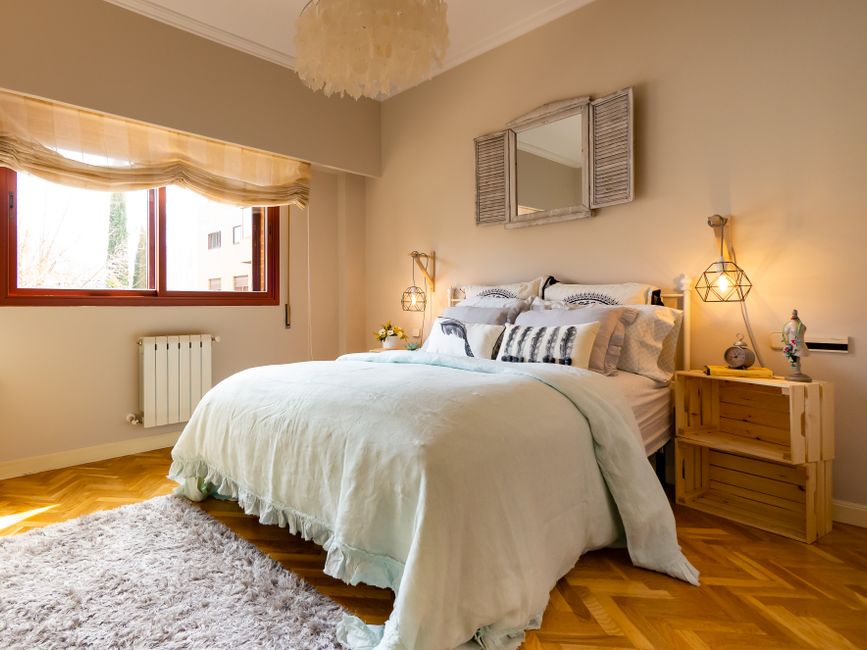
Consider the economics first. A one-bedroom apartment in central neighbourhoods like Chueca or Malasaña averages €900-€1,100 monthly, compared to €1,600+ in comparable Barcelona or Berlin districts. Yet Madrid doesn't ask you to sacrifice access or amenities. The metro system—one of Europe's most extensive—costs €15 for a monthly T-10 card, whisking you across the city in minutes. Grocers along Calle Fuencarral stock international products. Co-working spaces cluster near Sol and Plaza Mayor, where monthly membership typically runs €200-€300.
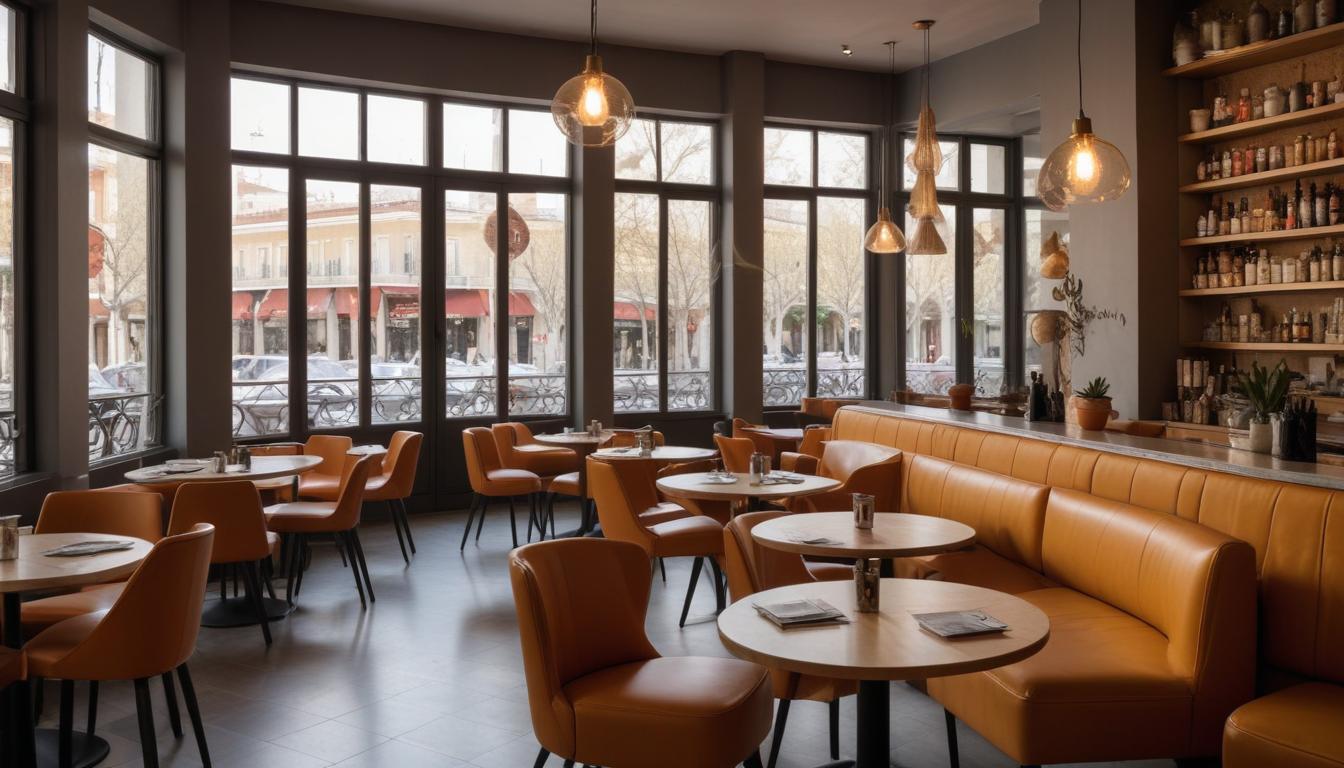
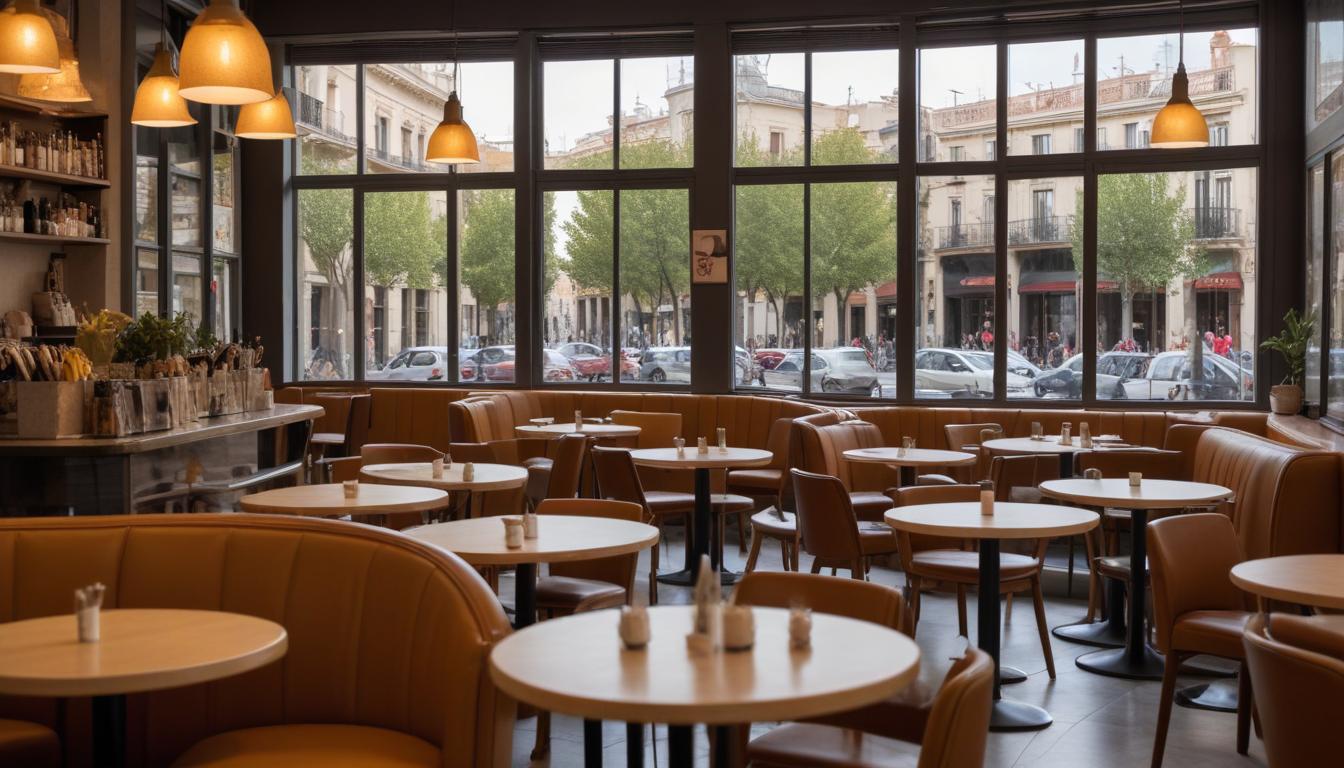
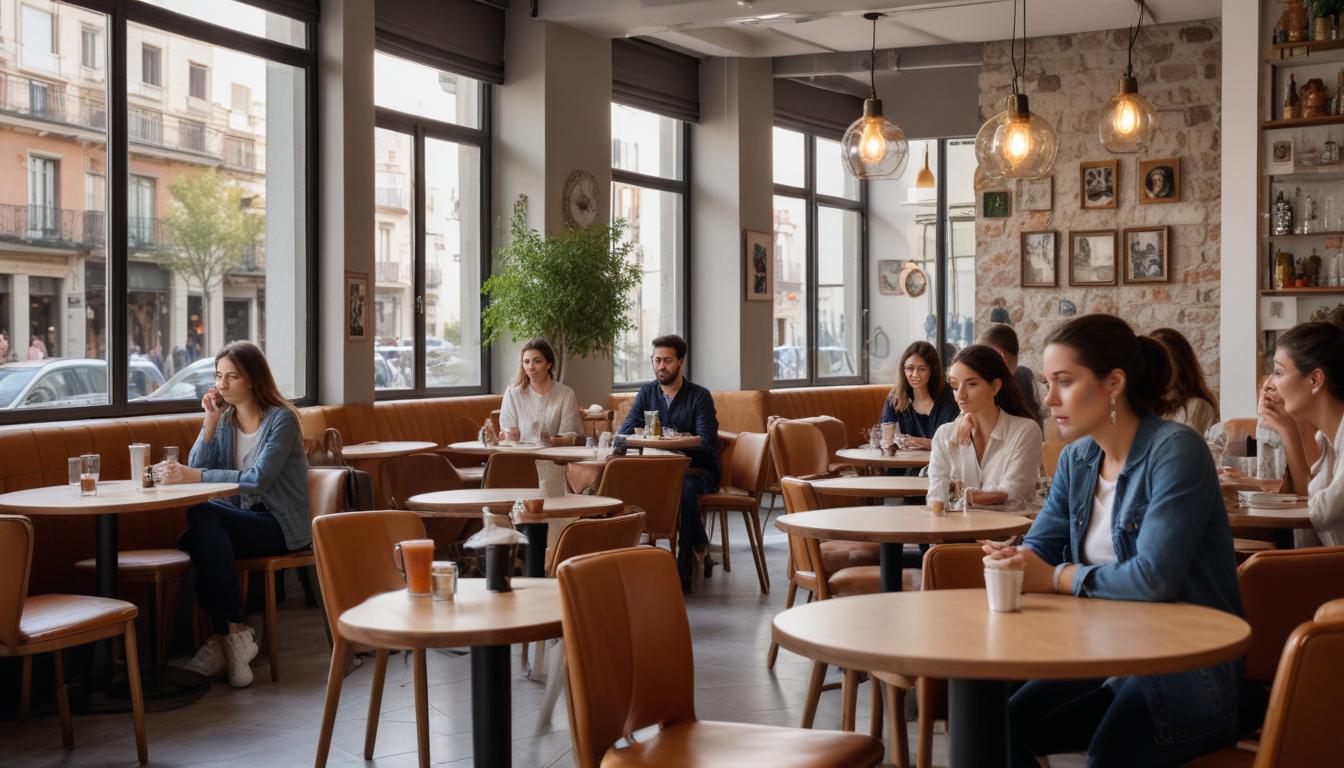
But statistics alone miss Madrid's defining characteristic: a cultural commitment to *tiempo de ocio*—leisure time as non-negotiable. This isn't performative relaxation; it's structural. Shops close for siesta, restaurants don't serve dinner until 9 p.m., and the city's rhythm genuinely slows in August when locals collectively depart. Newcomers often resist this initially, then realize it's liberating. Your 2 p.m. coffee break isn't rushed. Summer evenings stretch until midnight on terraces in Retiro or along the Manzanares riverbank.
The cultural landscape attracts differently, too. Madrid's arts scene—the Prado, Reina Sofía, and Thyssen museums form a world-class triangle—sits alongside thriving underground galleries in Lavapiés and Conde Duque. Live music venues like Café Populart and independent theaters offer accessibility most capitals reserve for elites. RTVE's cultural broadcasting means classical concerts and theater reach wider audiences.
Practically, expat integration feels smoother here than in more insular European cities. The Comunidad de Madrid's foreign resident services office on Calle Marqués de Peñaflorida handles paperwork with surprising efficiency. International schools cluster in Chamberí and Salamanca neighbourhoods. Spanish bureaucracy, while notorious, at least moves faster in Madrid than regional capitals.
Perhaps most distinctly: Madrid doesn't perform as a destination. Paris markets itself relentlessly; Barcelona packages its Gaudí legacy. Madrid simply exists—a sprawling, sometimes chaotic, genuinely Spanish capital where expats become residents rather than tourists playing house. That authenticity, combined with affordability and infrastructure, explains why international newcomers increasingly choose it not as a European stepping stone, but as their actual home.
This article was compiled by AI from the sources linked above and screened before publishing. See our editorial standards.
How does this story make you feel?
Spread the word
About this article
Published by The Daily Madrid
Daily brief
Free, in your inbox before 7am. Weekdays.
More in lifestyle