Moving to Madrid? Here's What Locals Actually Tell New Arrivals
Forget the guidebooks—we asked people who've made the leap to share their unvarnished wisdom about settling into Spain's capital.
Forget the guidebooks—we asked people who've made the leap to share their unvarnished wisdom about settling into Spain's capital.
Madrid's expat population has swelled dramatically over the past five years, with newcomers drawn by remote work opportunities, cultural magnetism, and a lifestyle that somehow manages to be both vibrant and affordable compared to northern European capitals. But the gap between tourist Madrid and lived-in Madrid remains vast. We spoke with recent arrivals and long-term residents across the city to distil their hard-won insights.
Housing: Plan for sticker shock, then adjust expectations
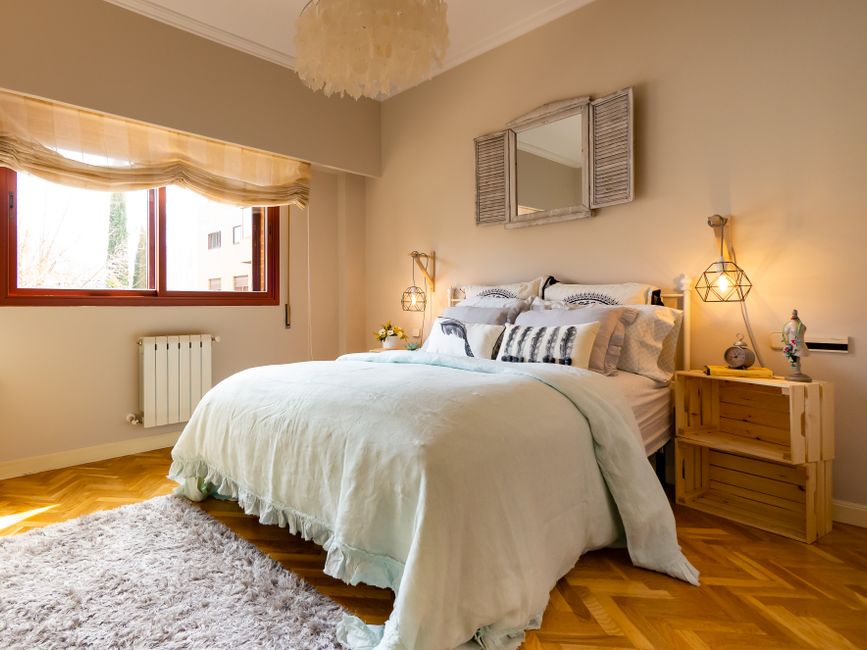
Rental prices in central neighbourhoods like Chamberí and Malasaña have surged roughly 40% since 2022, with one-bedroom flats now averaging €950–€1,200 monthly. Locals recommend looking slightly further afield: Arganzuela, Leganés, or even along Metro Line 6 towards Pacífico. You'll save €200–€400 monthly and gain authentic neighbourhood life. Always use established platforms like Idealista or Fotocasa; direct landlords through WhatsApp are common here, but verify everything through official channels.
Transport and daily rhythm
The Metro is phenomenal—fast, cheap (€12.40 for ten journeys), and runs until 1.30 a.m. Most residents agree it's better than owning a car in central Madrid. Bicycle culture is growing; the BiciMAD scheme (€54.95 monthly unlimited) covers 500 stations citywide. Life here operates on different timing: dinner at 9 p.m. is standard, lunch is the main meal, and the city genuinely shuts down for a two-hour siesta in many neighbourhoods during summer.
Integration beyond the expat bubble
Madrid has thriving expat communities, particularly around Salamanca and near Reina Sofía museum. But locals counsel against clustering exclusively there. Join a Spanish conversation group at Instituto Cervantes, volunteer at neighbourhood associations, or frequent your local mercado (Mercado de la Paz in Salamanca, Mercado San Miguel in Sol). Madrileños are famously direct and welcoming once you make effort.
Money matters
Open a bank account immediately—many establishments still require Spanish banking details for everything from gym memberships to energy bills. Caixabank and BBVA dominate; expect €5–€15 monthly maintenance fees. Your NIE (foreigner identification number) is essential; apply at the Policía Nacional office in your district within 30 days of arrival.
The honest bit
Summer heat (regularly 38°C+) empties the city as locals flee to the coast. August is a ghost town. Winter is mild but bureaucracy moves glacially. And yes, there's a thriving nightlife scene, but beyond the Instagram-famous rooftop bars, locals frequent smaller terraza spots in neighbourhoods like Chueca and Malasaña where €5 gets you a drink and actual conversation.
Madrid rewards those willing to live like residents rather than tourists.
This article was compiled by AI from the sources linked above and screened before publishing. See our editorial standards.
How does this story make you feel?
Spread the word
About this article
Published by The Daily Madrid
Daily brief
Free, in your inbox before 7am. Weekdays.
More in lifestyle