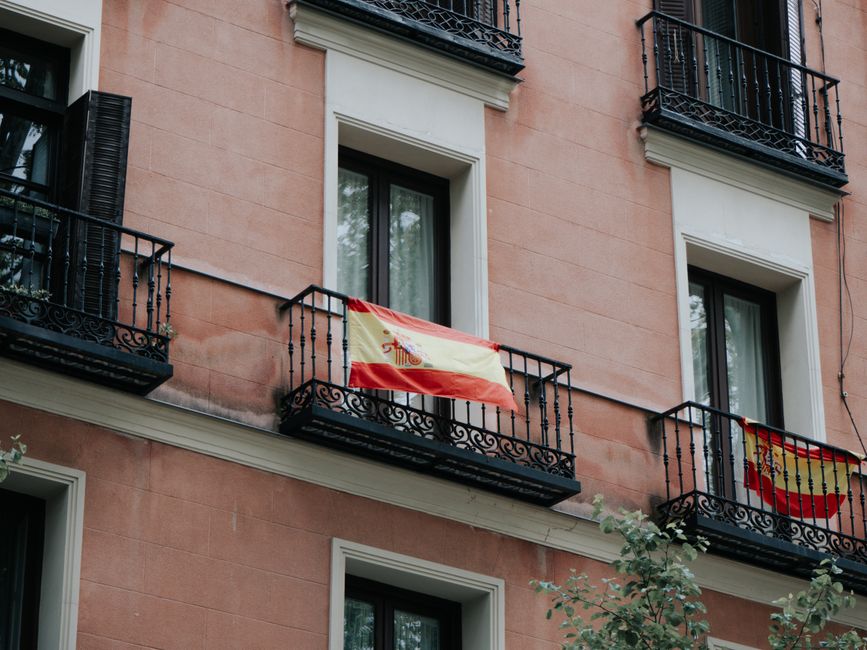
Walk down Calle Covarrubias in Chamberí on a Tuesday afternoon and you'll witness a carefully choreographed ritual: school gates opening at 2 p.m., children spilling onto pavements, parents clustering in familiar groups. This isn't happenstance. In Madrid's most established family neighbourhoods, community character isn't decorative—it's the infrastructure that holds childhood together.
Chamberí and Salamanca remain the city's premier family destinations, with average apartment prices hovering around €8,500 per square metre. But locals know the premium isn't purely architectural. These neighbourhoods offer what sociologists call "social density"—networks of schools, parks, and informal gathering spaces that create genuine belonging. Around Plaza de Olavide in Chamberí, parents cycle through the same paediatricians, physiotherapists, and bilingual preschools, creating an ecosystem of trusted referrals passed hand-to-hand at the market or café.
The neighbourhood character extends deeper than convenience. Colegio Nuestra Señora del Pilar and similar institutions in these districts have cultivated multi-generational enrollments, where younger siblings follow older ones into established peer groups. The school becomes a social anchor, its calendar dictating neighbourhood rhythms—summer closures emptying plazas, autumn returns reviving them.
Yet this stability comes with unspoken codes. Salamanca's reputation for exclusivity (both economically and socially) reflects genuine neighbourhood gatekeeping, from WhatsApp parent groups to summer camp networks that function as de facto social filters. First-time families often describe a learning curve: understanding which parques are "safe," which colegios align with family values, how to enter established friendship circles.
Newer family neighbourhoods like Arganzuela and Carabanchel are reshaping Madrid's parenting landscape. Here, younger professionals are building different community models. The €5,000-per-square-metre price point attracts families seeking affordability without sacrificing urban access. Community gardens, cooperative schools, and neighbourhood associations operate with explicit inclusivity mandates—a generational shift in how families define neighbourhood character.
Madrid's family life ultimately reflects a broader tension: between inherited privilege and accessible community, between exclusionary comfort and intentional openness. The neighbourhoods thriving today are those acknowledging this tension, where established character welcomes newcomers, where playground friendships transcend economic boundaries, and where community vibe emerges not from gatekeeping but from genuine shared purpose.
This article was compiled by AI from the sources linked above and screened before publishing. See our editorial standards.