Madrid's Nightlife Heartbeat: The Unforgettable Characters Behind Every Glass
From veteran bartenders to late-night philosophers, the faces that gather in Malasaña and Chueca reveal the soul of a city that never stops reinventing itself.
From veteran bartenders to late-night philosophers, the faces that gather in Malasaña and Chueca reveal the soul of a city that never stops reinventing itself.
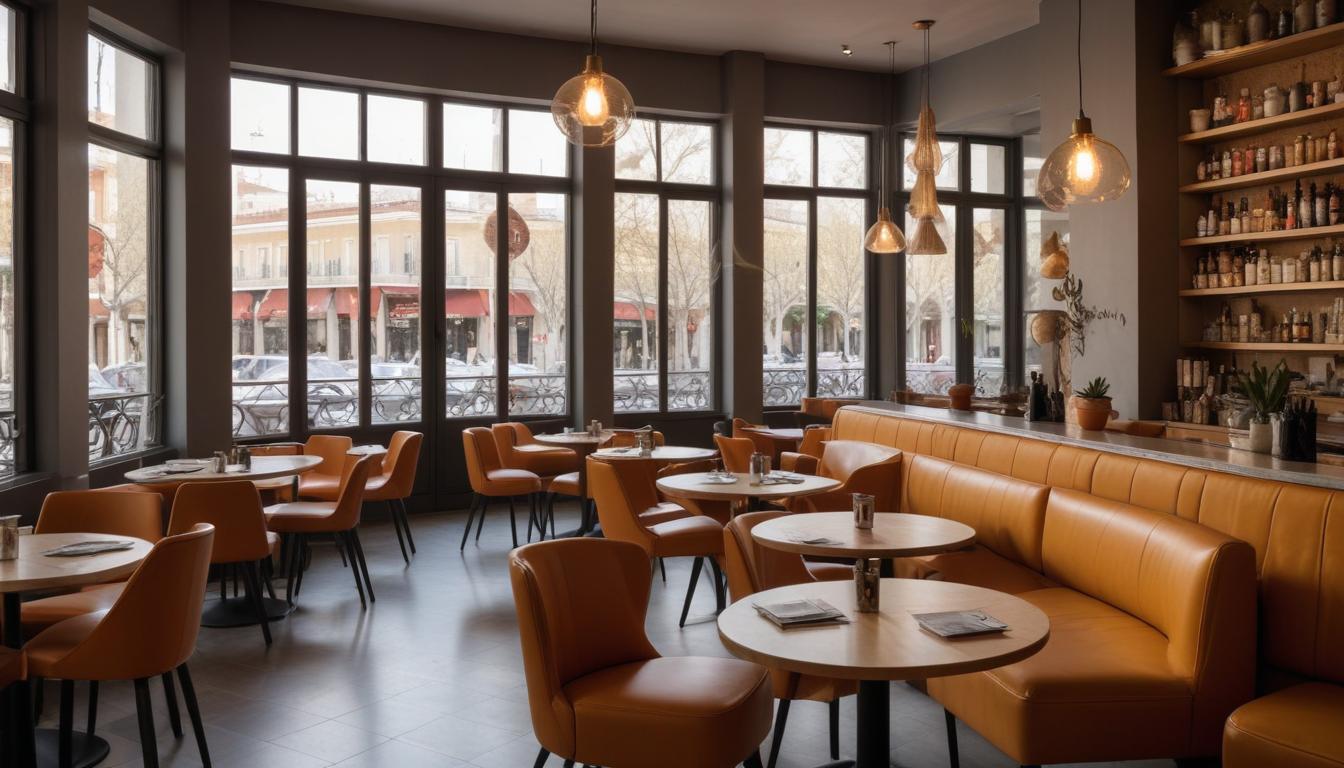
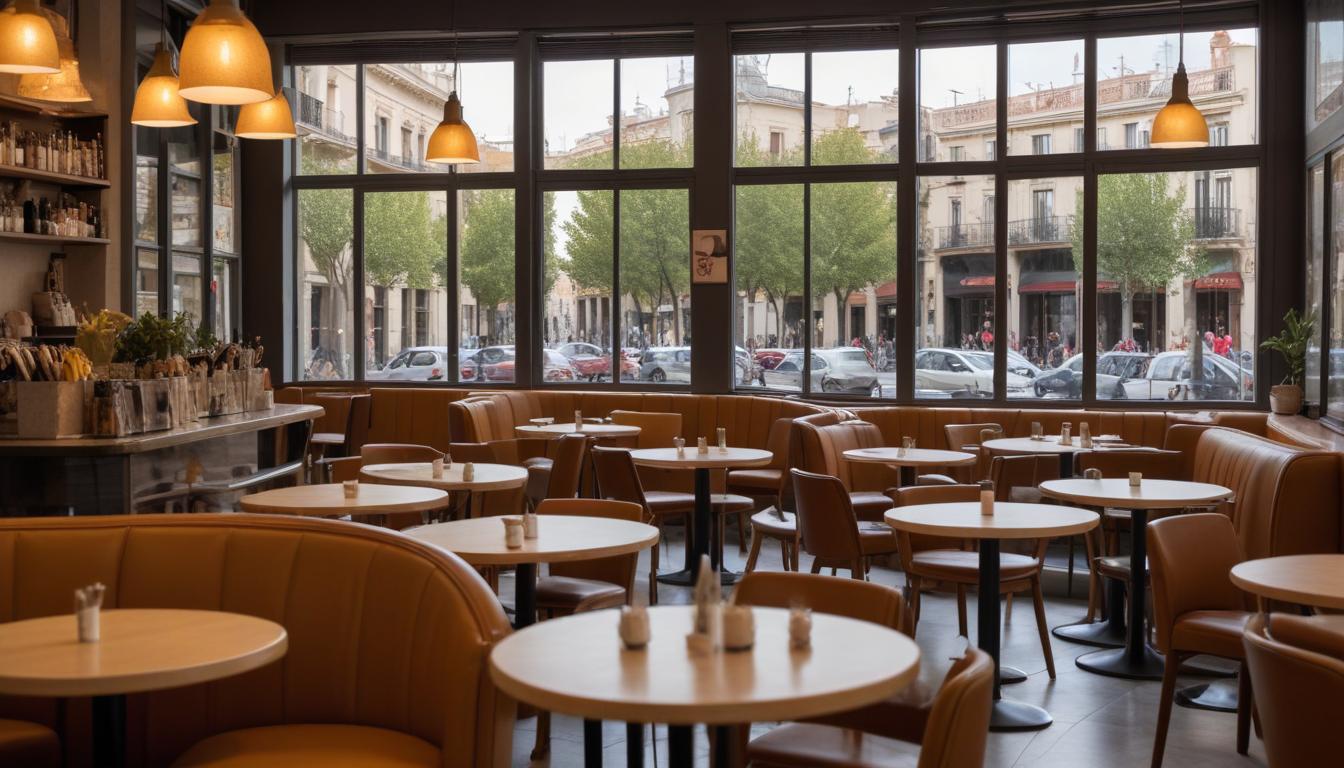
Walk into any bar along Calle San Andrés in Malasaña on a Friday night, and you're not just ordering a drink—you're entering a carefully curated ecosystem of personalities that have spent decades shaping Madrid's nocturnal identity. The city's nightlife scene, which generates an estimated €2.3 billion annually and employs over 18,000 people directly in hospitality, thrives not on its architecture or Instagram-ready décor, but on the human connections forged between 10 p.m. and dawn.
These are the spaces where María José, who has managed the same vermutería near Plaza Mayor for twenty-three years, remembers the names of tourists who visited once in 2008 and returned last month. Where Miguel, a former flamenco dancer turned bartender at a hidden speakeasy in Chueca, serves cocktails while simultaneously mentoring young performers about the realities of making art in an expensive city. Where groups of engineers, nurses, and architects converge at modest neighborhood bars in Tribunal and San Blas, their weekly gatherings spanning entire decades of life milestones—first jobs, marriages, separations, new chapters.
The Madrid nightlife demographic has shifted noticeably since 2015. Where once the scene catered almost exclusively to tourists and wealthy madrileños, bars now pulse with a mixture of young professionals priced out of other European capitals, immigrant communities creating cultural anchors, and lifelong residents fiercely protecting their territorial watering holes. According to the Madrid Chamber of Commerce, approximately 62% of regular bar-goers now report visiting venues within walking distance of their homes, suggesting a renaissance of neighborhood-specific identity rather than generic party tourism.
In Lavapiés, where gentrification has created visible tensions, veteran bar owners have become unexpected community bridges—spaces where longtime residents and newcomers negotiate shared space over €2 caña beers. In Malasaña's rabbit warren of narrow streets, bartenders function as informal therapists, mediators, and keepers of oral history. These aren't just service industry workers; they're the infrastructure that prevents a city of 3.2 million from fragmenting into isolated pods.
What makes Madrid's nightlife genuinely special isn't the number of venues—there are over 4,000 bars operating in the capital—but rather the unwritten agreements between regulars and staff, the way a stranger becomes a familiar face within weeks, the instinctive generosity of people who understand that night culture survives only through genuine connection. That's the real story being poured every night.
This article was compiled by AI from the sources linked above and screened before publishing. See our editorial standards.
How does this story make you feel?
Spread the word
About this article
Published by The Daily Madrid
Daily brief
Free, in your inbox before 7am. Weekdays.
More in lifestyle