There's a peculiar paradox facing newcomers to Madrid in 2026. You've chosen one of Europe's largest cities—home to 3.3 million people, headquarters to Fortune 500 companies, a thriving tech hub—yet you'll quickly discover that the rhythms here fundamentally differ from London, Berlin, or Barcelona. Madrid doesn't apologize for this. In fact, the city's refusal to adopt the burnout-as-virtue culture of rival capitals may be its greatest competitive advantage for quality of life.
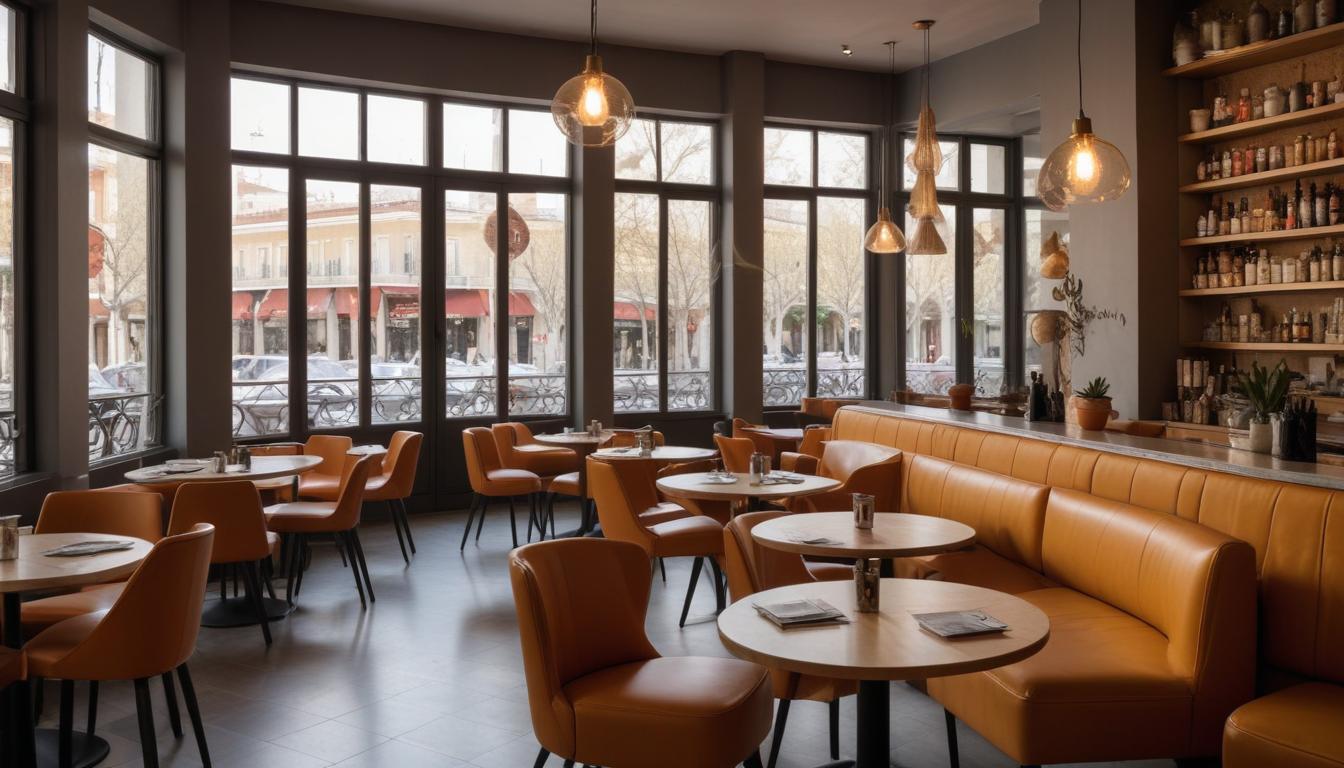
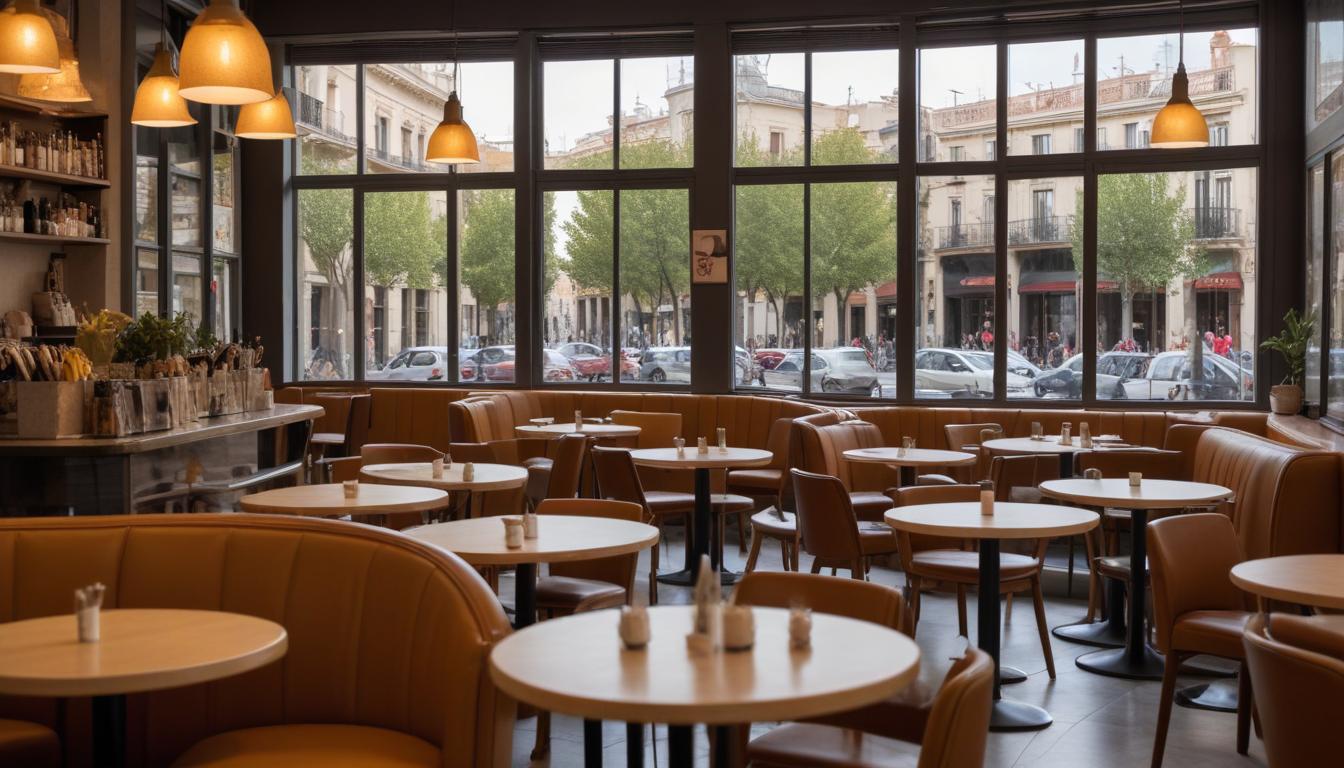
The clearest distinction arrives during your first week: the Spanish concept of *sobremesa*—that unhurried lingering at table after a meal—isn't quaint nostalgia here. It's infrastructure. Lunch doesn't mean a desk salad. The city's restaurant scene, concentrated densely in neighbourhoods like Malasaña and around Plaza Mayor, remains genuinely affordable compared to equivalents in London or Amsterdam. You'll find three-course menus del día for €12-15 across the city's 4,000+ restaurants. This isn't budget dining; it's cultural policy.
Relocation logistics matter, of course. Housing costs have climbed sharply—expect €900-1,200 monthly for a one-bedroom flat in central neighbourhoods like Salamanca or Retiro, somewhat less in emerging areas like Vallecas or Carabanchel. Public transport is excellent: the Metro system, Europe's second-largest, costs €54.60 monthly for unlimited travel. Most expats find themselves cycling or using the extensive bike-sharing system (3,200 stations across the city) within months.
What distinguishes Madrid from competitor cities isn't the monuments—though the Prado and Reina Sofía rank among the world's finest museums. It's the civic commitment to shared public life. The recent expansion of pedestrian zones in the city centre and parks like Retiro (350 acres of free green space minutes from downtown) reflect a deliberate urban philosophy. Madrid's government targets car-free Sundays monthly, and the 110-kilometre cycling network continues expanding.
For practical relocation support, the Madrid Expat Centre near Plaza de Castilla provides residency guidance and community connections. Professional networks vary by sector: tech professionals gravitate toward the Cuatro Torres Business Area; creative industries cluster in Malasaña and Chueca, historically working-class neighbourhoods now vibrant with galleries and independent venues.
Perhaps most crucially: Madrid hasn't yet succumbed to the tourism-first mentality consuming Barcelona or Venice. Neighbourhoods retain authentic character. Independent shops outnumber chains. The city feels, still, like somewhere people choose to live rather than somewhere they've been marketed to visit.
That distinction—living versus visiting—encapsulates why Madrid increasingly appeals to relocated professionals seeking cities that haven't entirely sacrificed livability for global brand positioning.
This article was compiled by AI from the sources linked above and screened before publishing. See our editorial standards.