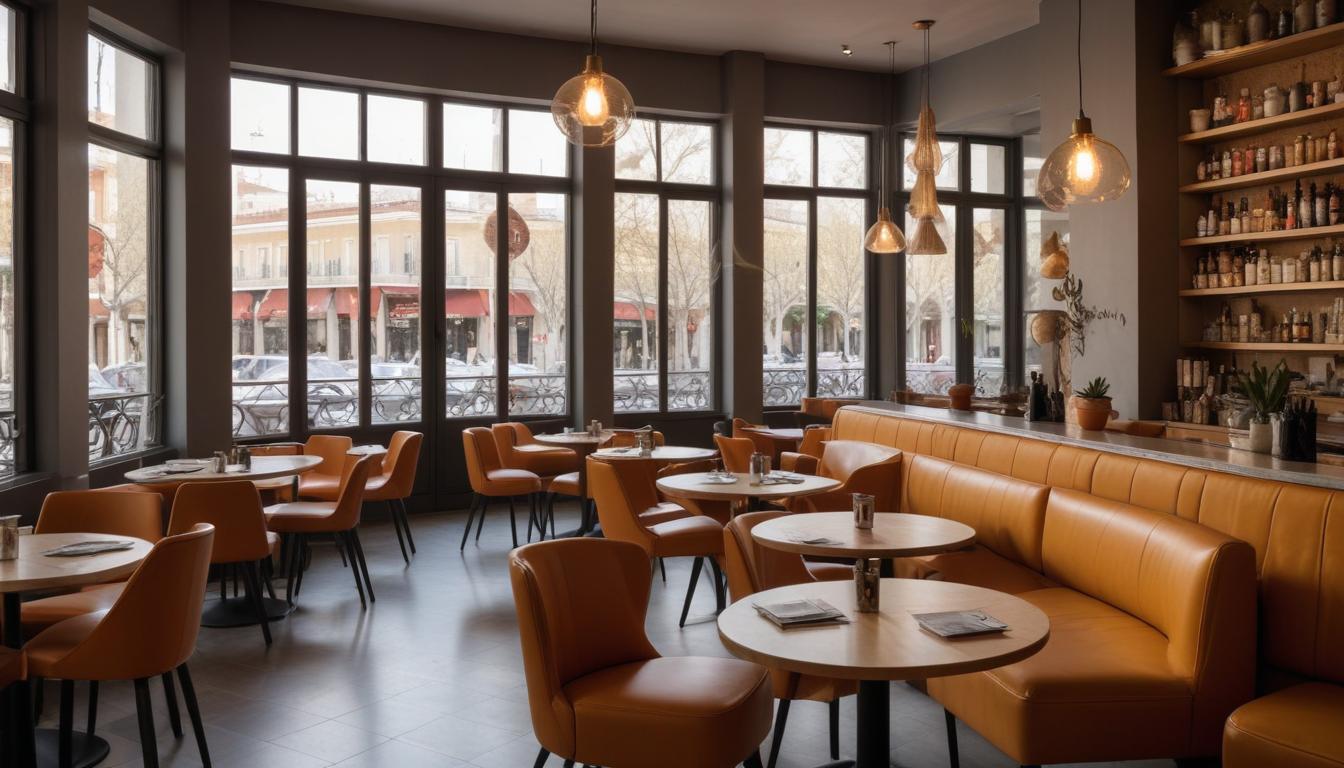
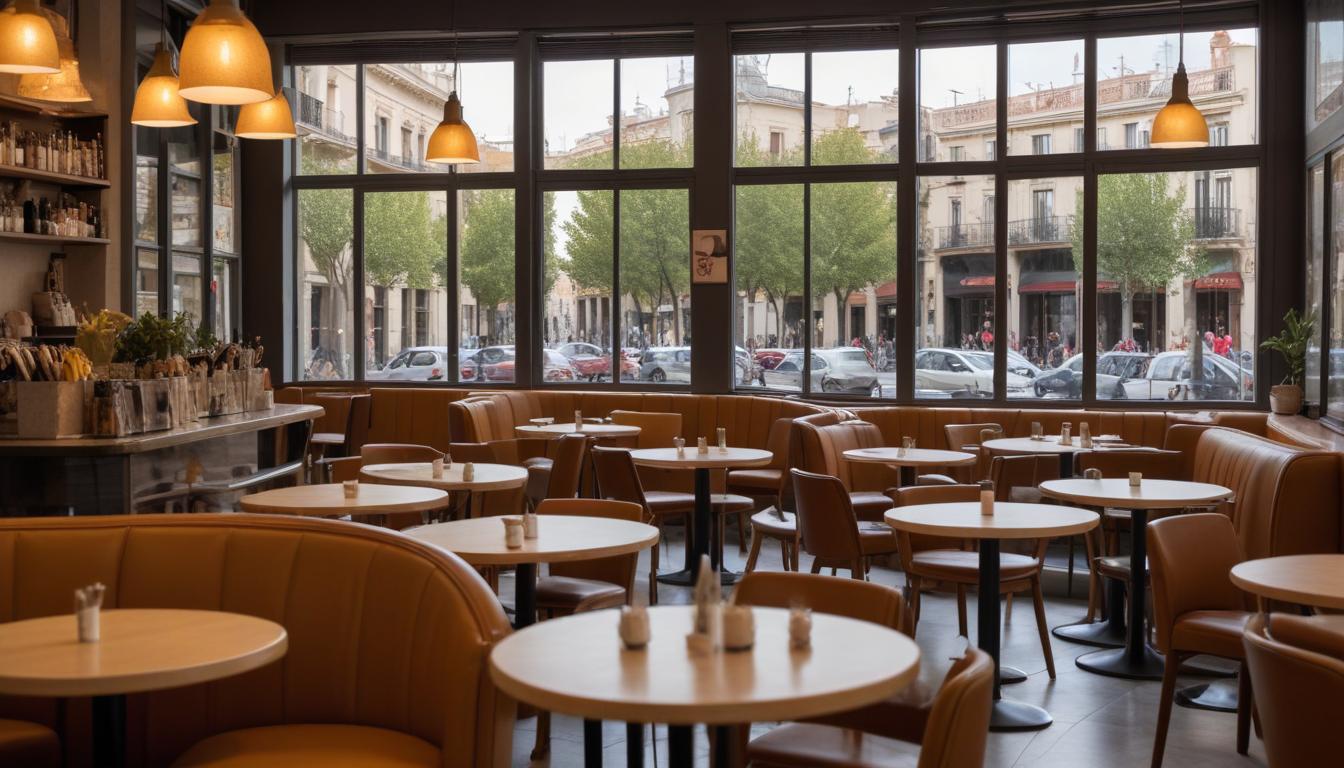
Walk down Calle San Andrés on a Friday night and you'll notice something has shifted. The sticky-floored tabernas that once defined Malasaña's gritty charm are making room for a new breed of establishment—sleek cocktail bars with Edison bulbs and botanical infusions, gin lounges with 200-bottle selections, and late-night venues blending mixology with live electronic sets.
This evolution reflects a broader transformation rippling through Madrid's most rebellious neighbourhood. According to the Malasaña Business Association, nearly forty percent of the district's bars have changed ownership or concept in the past three years, a significant churn that locals describe as both exciting and slightly melancholic. The old guard—establishments like the legendary La Vía Láctea, which survived the movida movement of the 1980s—now shares the streetscape with newcomers charging €12 for gin tonics instead of €3 caña beers.
The shift isn't purely cosmetic. Younger entrepreneurs, many trained abroad or influenced by Barcelona's booming cocktail scene, are investing serious capital into Malasaña's nightlife infrastructure. Venues around Plaza del Dos de Mayo now feature DJ residencies, rotating art installations, and themed experiential nights. Meanwhile, traditional spots on Calle Espíritu Santo have started adapting, adding craft beer selections and hosting poetry readings to stay relevant without entirely abandoning their identity.
Prices tell the story most clearly. A decade ago, a night out in Malasaña cost half what you'd spend in Sol or Gran Vía. Today, that gap has narrowed considerably, though the neighbourhood remains cheaper than central Madrid. Average drink prices have risen from €4 to €8-10, reflecting both gentrification and rising operational costs post-pandemic.
The social fabric is shifting too. Where Malasaña once attracted artists, squatters, and counterculture seekers, it increasingly draws young professionals and university graduates. Social media has amplified this effect—Instagram-worthy interiors drive footfall in ways word-of-mouth never could. The neighbourhood's famous spontaneity—impromptu gatherings, unpredictable energy—now competes with curated experiences and reservation-required venues.
Yet something distinctly Madrileño persists. The neighbourhoods' soul, that defiant creativity and resistance to homogenisation, still flickers in smaller bars and late-night mezcal dens hidden down narrow streets. As Malasaña navigates this transition, the question isn't whether it's changing—it clearly is—but whether it can preserve what made it legendary while embracing what's next.
This article was compiled by AI from the sources linked above and screened before publishing. See our editorial standards.