Madrid's Commute Revolution: Why Getting Around the City Has Never Been Better
From metro expansions to car-free zones, recent transport overhauls have transformed how madrileños navigate their city—and locals are genuinely excited about it.
From metro expansions to car-free zones, recent transport overhauls have transformed how madrileños navigate their city—and locals are genuinely excited about it.
Ask any madrileño about their commute five years ago and you'll likely hear sighs about overcrowded metro cars during peak hours, gridlocked traffic on the M-30 ring road, and the eternal hunt for parking in neighbourhoods like Malasaña and Chueca. Today, the conversation is noticeably different.
The transformation began in earnest with the expansion of Metro Line 11 towards the southern suburbs, finally completed last autumn. For residents commuting from Fuenlabrada and Móstoles, journey times have dropped dramatically—some by nearly 40 minutes on their daily round trips. But the real game-changer has been Madrid's aggressive expansion of low-emission zones. The central Madrid Zone (Zona de Tráfico Limitado) now covers 32 square kilometres, making it one of Europe's largest car-free areas. Inner neighbourhoods like Sol, Chamberí, and Salamanca have become noticeably quieter, with air quality measurably improved since early 2025.
The bike infrastructure revolution deserves its own mention. The city's ciclocarril network—dedicated cycle lanes protected from traffic—has grown to over 180 kilometres. Commuters using the lanes connecting Gran Vía to the Retiro, or heading north through Chamberí towards Cuatro Caminos, report feeling genuinely safer. Miguel bike-sharing prices have remained competitive, holding steady at €25 monthly for unlimited rides, making pedal-powered commuting realistic for office workers.
Bus rapid transit corridors on Avenida de América and Paseo de la Castellana have shaved minutes off journeys for thousands daily. Real-time tracking through the EMT app is now genuinely reliable—a far cry from the guesswork of previous years. Journey times from northern suburbs like Alcalá de Henares now run on schedule more consistently.
Perhaps most tellingly, younger madrileños are actively choosing public transport over cars. Metro usage hit 622 million journeys last year, a 12% increase since 2023. Gen Z workers in tech hubs around Chamartín and Atocha report ditching their first cars entirely, finding the metro-plus-bike combination faster, cheaper, and less stressful than driving.
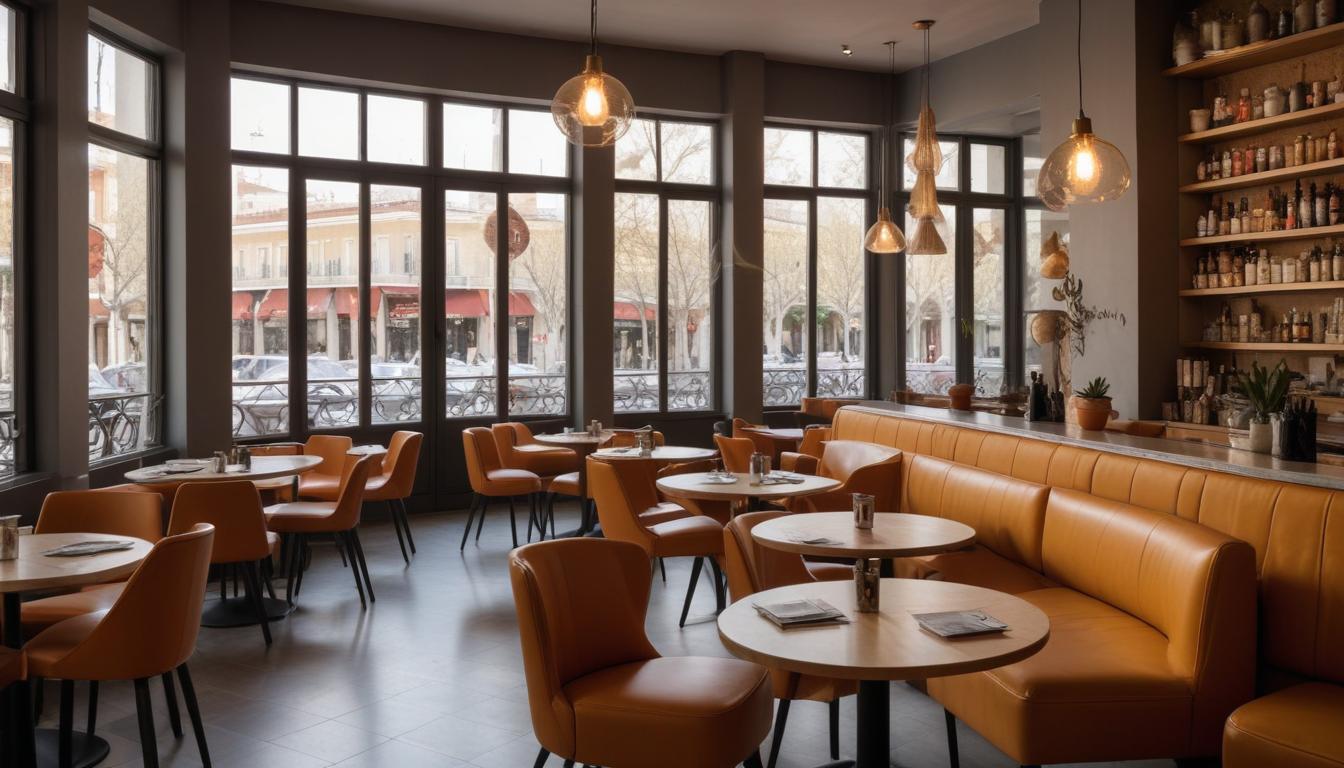
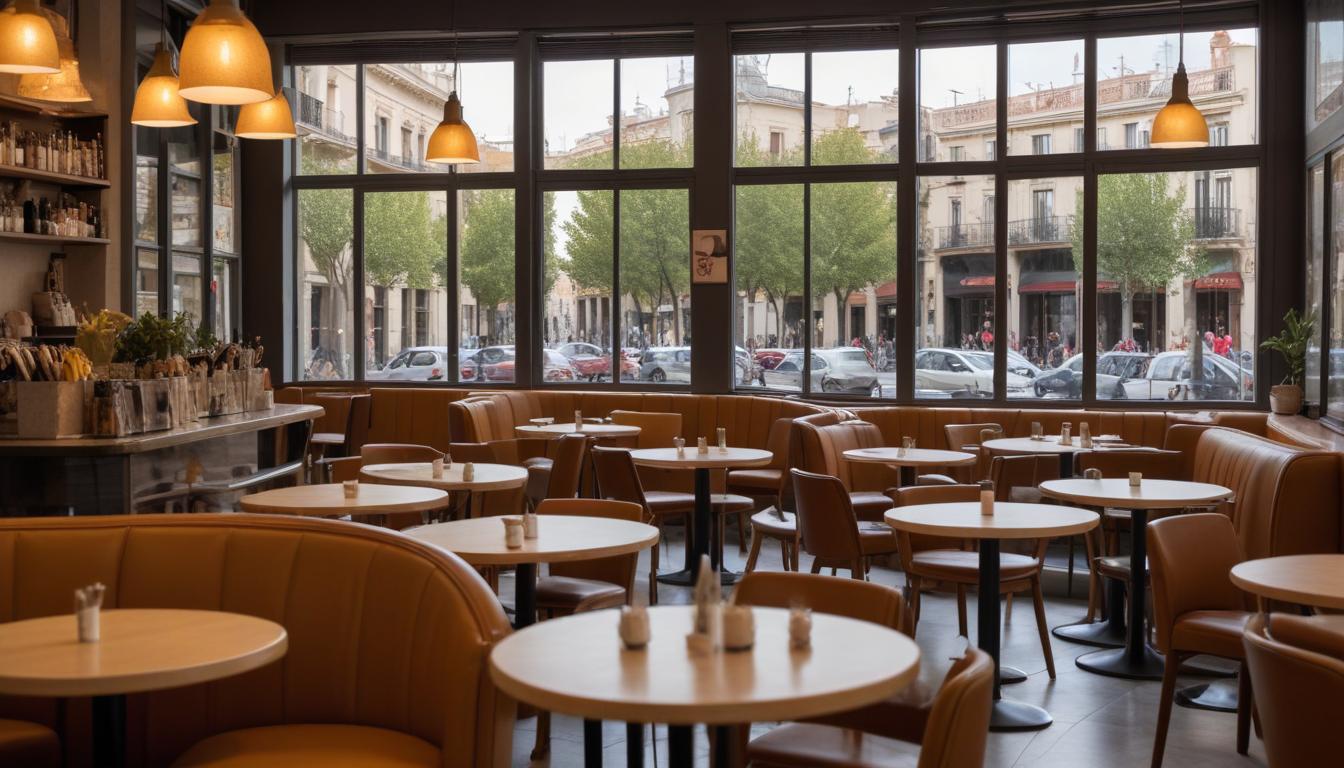
The human element matters too. Safer, quieter streets mean locals linger longer at corner cafés in Malasaña, park benches see more use, and neighbourhoods feel genuinely liveable again. When your commute doesn't exhaust you, your entire day improves.
Madrid's transport revolution isn't about fancy gadgets or flashy announcements. It's about the accumulated effect of practical improvements—more seats on trains, cleaner air, safer bike routes, and the simple pleasure of arriving at work without stress. That's why locals genuinely love getting around Madrid these days.
This article was compiled by AI from the sources linked above and screened before publishing. See our editorial standards.
How does this story make you feel?
Spread the word
About this article
Published by The Daily Madrid
Daily brief
Free, in your inbox before 7am. Weekdays.
More in lifestyle