Malasaña's Bar Scene Undergoes Quiet Revolution as Wellness Culture Reshapes Madrid's Nightlife
Once the epicentre of Madrid's hedonistic after-hours culture, the neighbourhood is pivoting toward curated experiences and alcohol-free alternatives.
Once the epicentre of Madrid's hedonistic after-hours culture, the neighbourhood is pivoting toward curated experiences and alcohol-free alternatives.
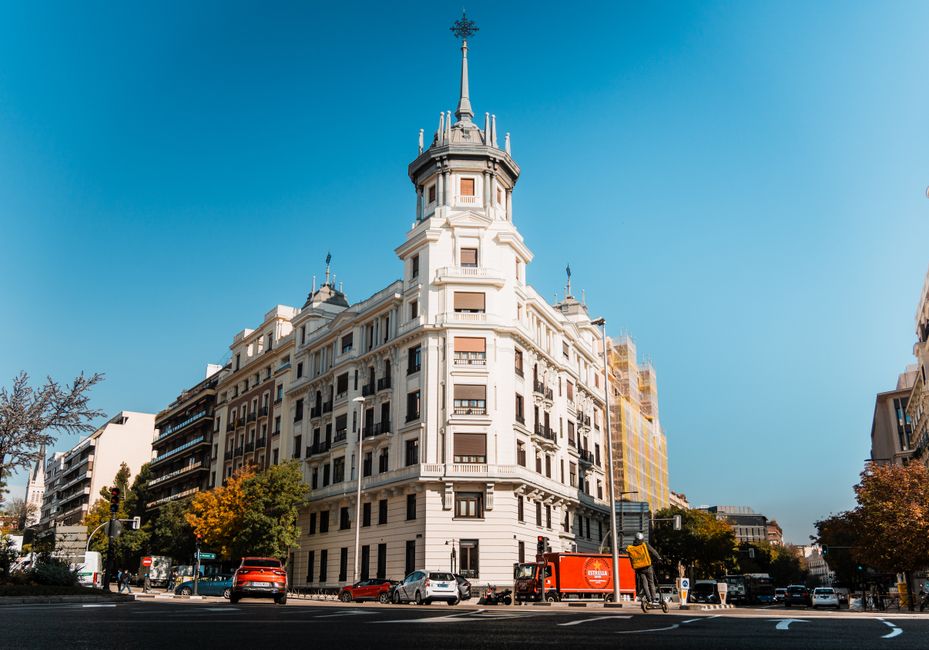
Walk down Calle San Andrés on a Friday night and you'll notice something has shifted in Malasaña. The neighbourhood that spent two decades as Madrid's undisputed nightlife capital is recalibrating—and the changes say something profound about how the city's young professionals are reimagining what a night out means in 2026.
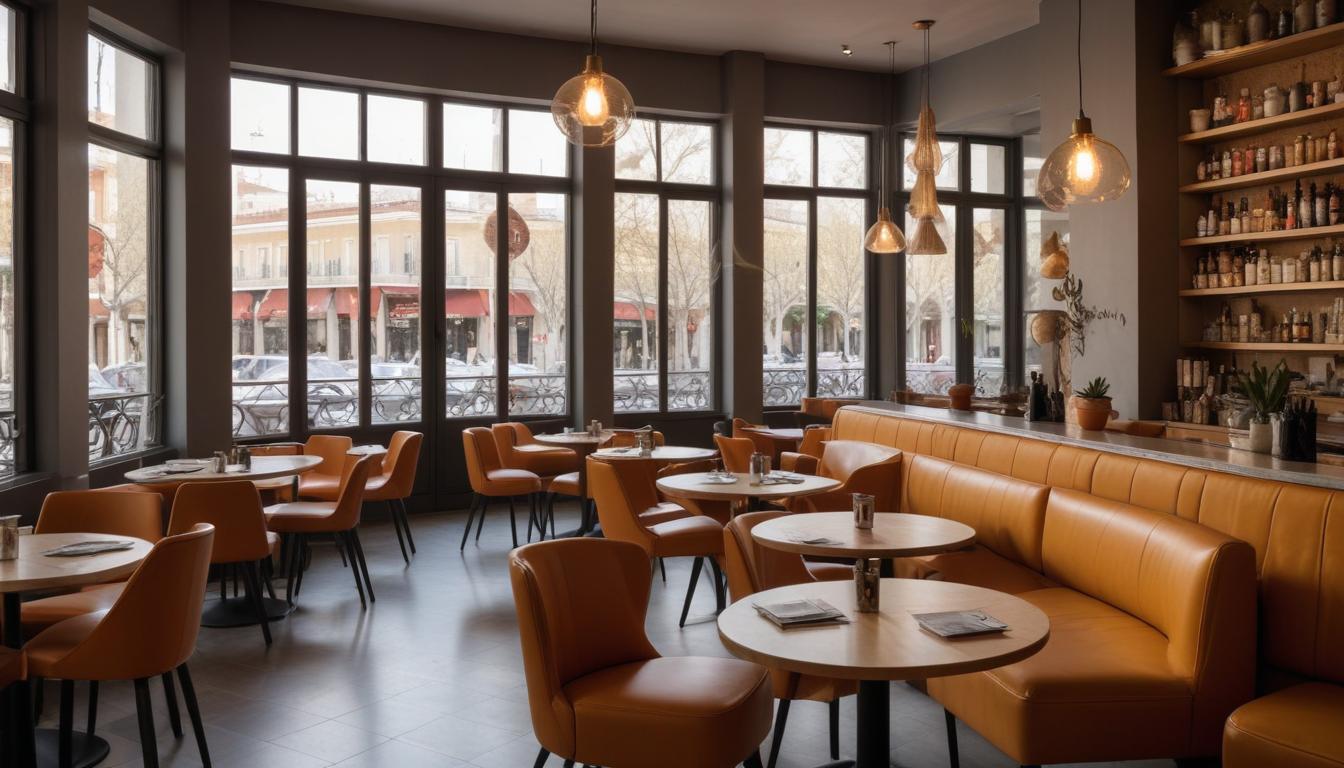
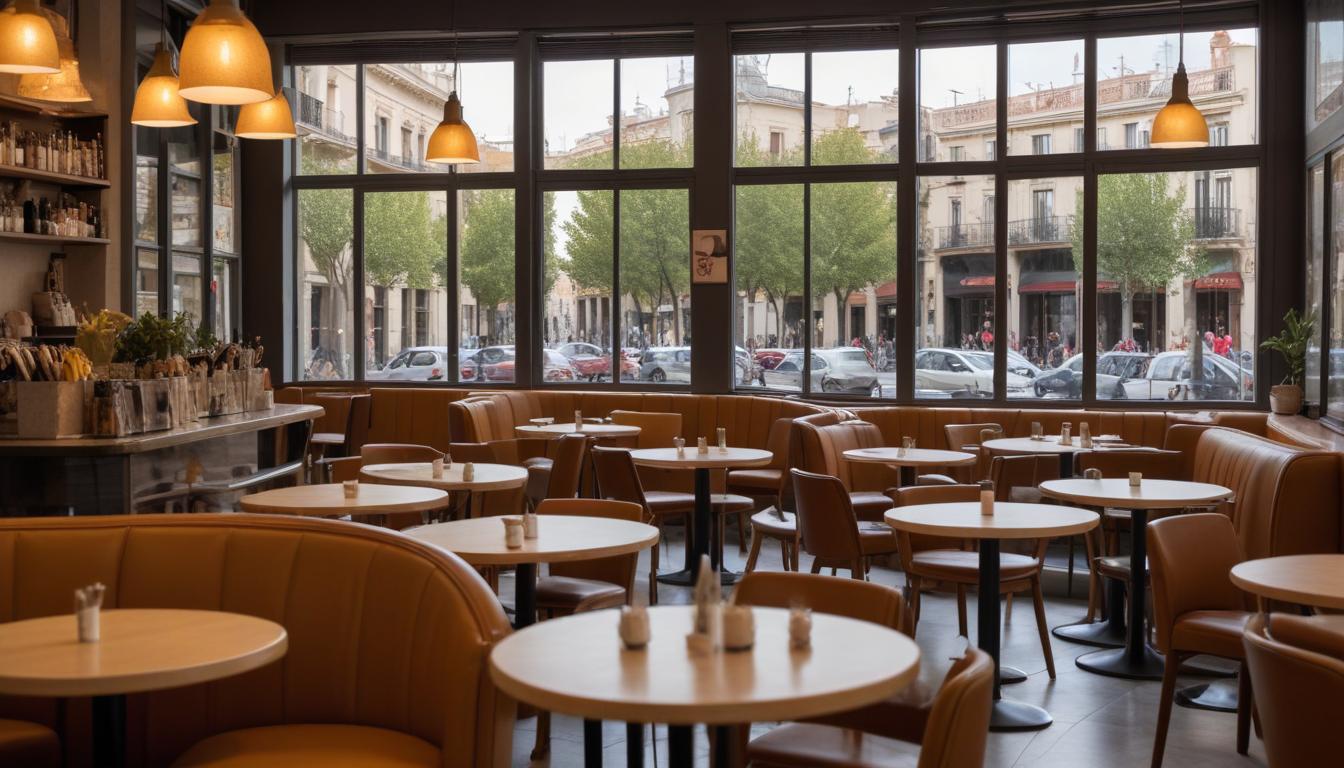
Where DIY punk bars once defined the district, a new wave of venues now emphasises craft non-alcoholic cocktails, live music workshops, and what industry insiders call "social drinking." Recent data from Madrid's hospitality association suggests that venues offering sophisticated mocktail programmes have increased by 34 per cent across central neighbourhoods since 2023, with Malasaña leading the shift. Prices tell the story: premium virgin cocktails at new spots like those clustered around Plaza del Dos de Mayo now command €8-12, matching or exceeding traditional spirit-based drinks.
The transformation reflects broader demographic changes. Madrid's workforce has grown younger and more health-conscious; according to municipal lifestyle surveys, 62 per cent of Madrileños aged 25-34 now moderate alcohol consumption compared to 47 per cent five years ago. This isn't puritanism—it's pragmatism. A generation dealing with demanding careers, expensive rents, and awareness of mental health isn't necessarily abandoning nightlife; they're redesigning it.
Malasaña's bar owners have adapted with surprising creativity. Venues along Calle Velarde and surrounding streets increasingly host mixology classes, live acoustic sets, and late-night book clubs that function as social anchors without requiring heavy drinking. The neighbourhood's legendary vintage shops now cross-promote with bars, creating night-time cultural experiences that blend retail discovery with socialising. Even traditional cervecerías are experimenting: several have introduced expanded coffee and tea menus, recognising that customers staying three hours might prefer variety.
Not everyone celebrates the shift. Purists argue that Malasaña's historical character—its anarchic, unfiltered energy—risks being smoothed away by wellness culture and Instagram-friendly aesthetics. Old-school bars on Calle San Bernardino, though fewer now, still operate much as they did twenty years ago, their dimly lit interiors unchanged testaments to the neighbourhood's wilder past.
Yet perhaps this evolution simply reflects maturity. Madrid isn't losing its nightlife; it's fragmenting it. Malasaña is becoming one option among many for how residents want to spend evening hours. The neighbourhood remains vibrant—busier than ever on weekend nights—but the conversation has fundamentally changed. The question is no longer "How late can you stay out?" but "What kind of night do you actually want to have?"
This article was compiled by AI from the sources linked above and screened before publishing. See our editorial standards.
How does this story make you feel?
Spread the word
About this article
Published by The Daily Madrid
Daily brief
Free, in your inbox before 7am. Weekdays.
More in lifestyle