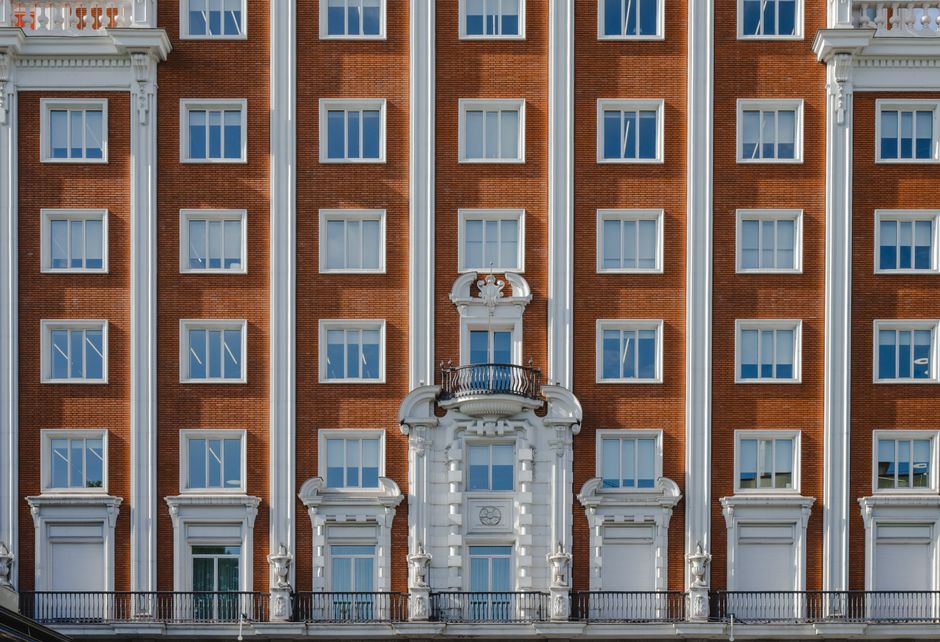
Walk along Calle Galileo or Paseo de Santa María de la Cabeza on any weekday morning, and you'll notice something has shifted in Chamberí. Where chaperoned children in uniform once marched toward century-old Catholic institutions, you now see mixed-age groups heading to experimental learning spaces, forest schools, and cooperative education projects that would have been unthinkable here a decade ago.
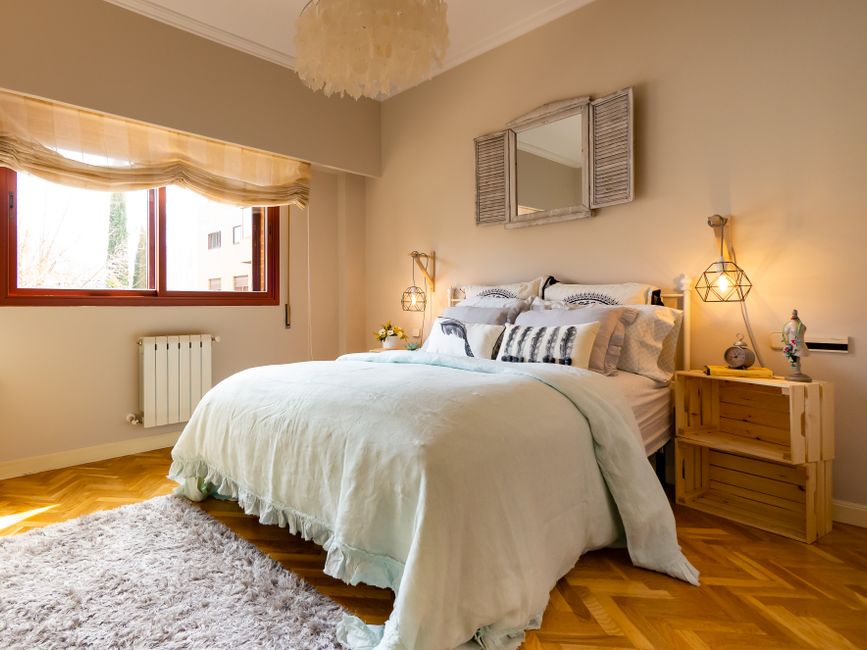
The transformation reflects broader demographic changes. Young professionals—many remote workers drawn back to Madrid during the post-pandemic reassessment of city life—have been renovating apartments in Chamberí's elegant belle époque buildings. With them came different priorities. Enrolment at traditional fee-paying schools in the neighbourhood has declined by roughly 12% since 2020, according to education sector analysts, while alternative pedagogies have gained traction.
The numbers tell the story. Three years ago, Chamberí had one Montessori-inspired centre. Today there are seven, clustered primarily around Plaza de Chamberí and the quieter streets bordering Parque de Santa María de la Cabeza. Monthly fees typically range from €800 to €1,400—expensive by Madrid standards, yet consistently oversubscribed.
More striking is the emergence of cooperative schooling models. Padres Cooperativos de Chamberí, founded in 2023, now operates two mixed-age learning groups with 40 families involved. Parents take turns facilitating lessons focused on project-based learning and bilingual development. It's a radical departure for a neighbourhood where the school uniform remained a status symbol until very recently.
"We're seeing parents less interested in league tables and more interested in wellbeing," says María López, founder of a nature-based learning programme operating from a converted garage on Calle Andrés Mellado. "Chamberí parents have resources and education themselves—they're asking harder questions about what their children actually need."
The shift isn't without friction. Traditional schools in the neighbourhood report stable enrolment among families seeking continuity with their own education experiences. Several Catholic institutions have modernised curricula while maintaining their foundational character, reflecting Madrid's perpetual balancing act between old and new.
Public sector investment has followed demand too. Three state schools in Chamberí launched enhanced bilingual programmes in 2024, while the neighbourhood's library on Calle Chamberí expanded its family programming by 40%.
For now, Chamberí remains Madrid's most economically stable neighbourhood—the transformation is selective, limited largely to families with substantial disposable income. Yet the shift signals something broader: even Madrid's most traditionally anchored communities are rethinking what childhood, education, and family life should look like in 2026.
This article was compiled by AI from the sources linked above and screened before publishing. See our editorial standards.