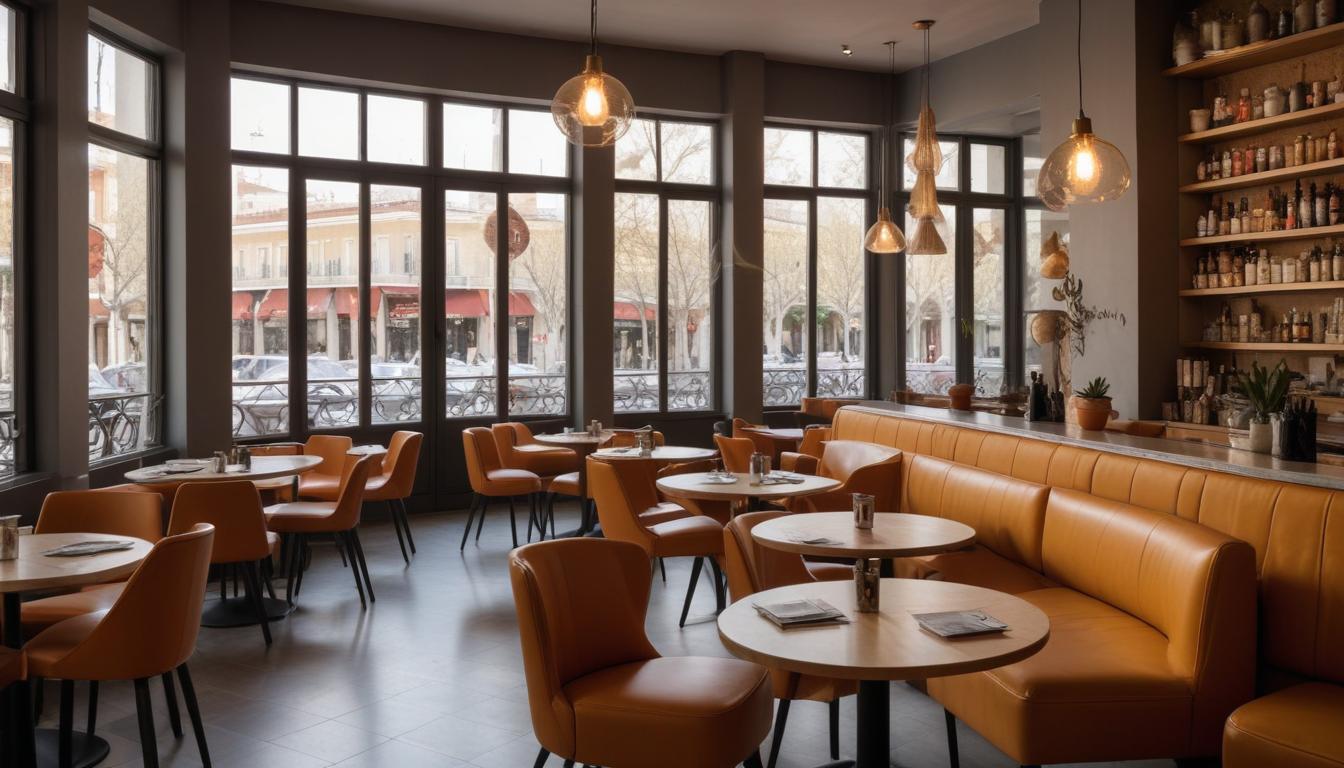
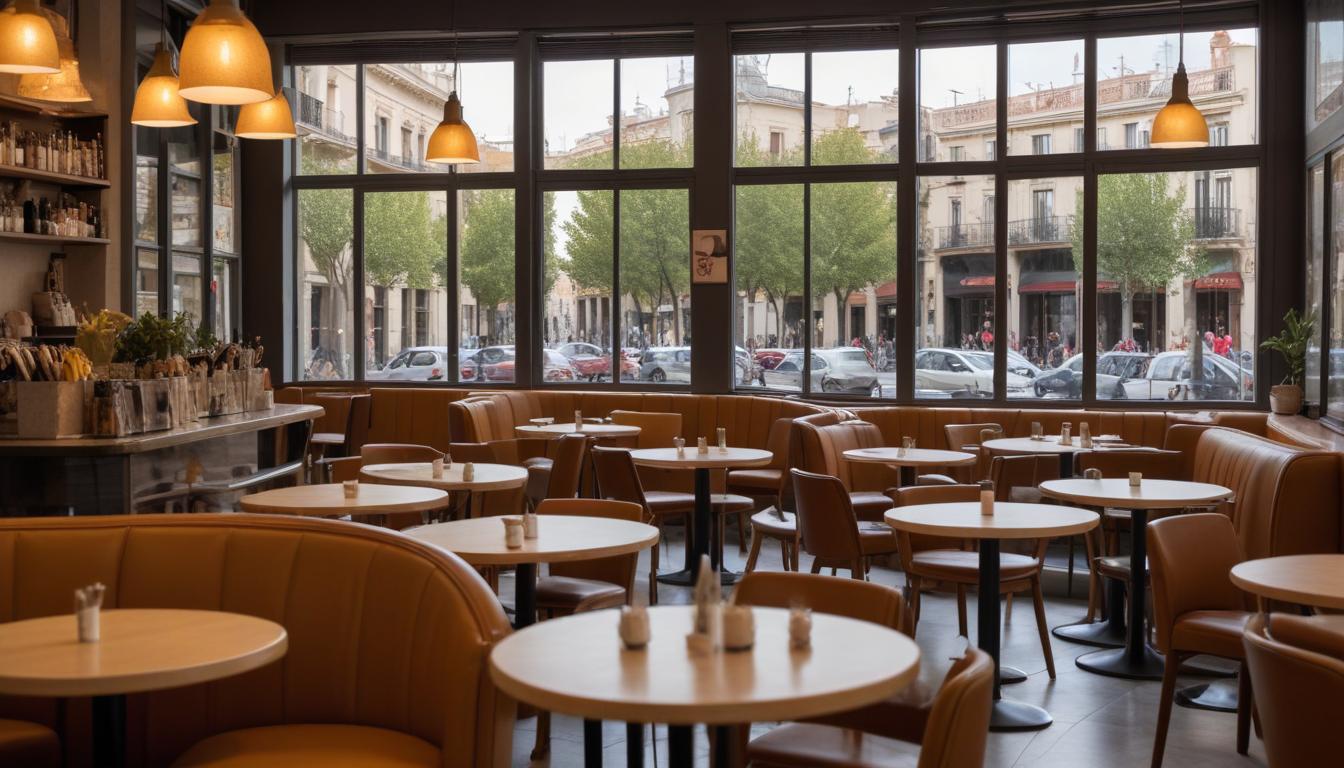
Moving to Madrid isn't really about arriving—it's about becoming part of something already in motion. Walk into any neighbourhood co-working space or language academy around Malasaña or Chueca, and you'll find the real Madrid: a city where newcomers don't just find apartments and jobs, but communities that actively pull them in.
The transformation begins in unexpected places. María José Fernández, who coordinates integration programmes through various Madrid neighbourhood associations, regularly describes how expat newcomers discover that the city's true character emerges not on Gran Vía but in the plazas of barrios like Lavapies and Chamberí, where regular tertulia gatherings happen in corner bars, where locals remember your name by week two.
Housing remains the first hurdle—Madrid's rental market hovers around €1,200 monthly for a one-bedroom in central neighbourhoods, though Latina and Arganzuela offer relative breathing room. But beyond logistics, successful relocators speak consistently of one thing: the Spanish people's genuine curiosity about why you've chosen to be here. At venues like the Ateneo de Madrid or community centres throughout the city, Thursday evening conversation exchanges have become informal gateways where newcomers practice Spanish while locals practise English, often forging friendships that extend far beyond language learning.
The social infrastructure that makes relocation stick involves organisations like InterNations Madrid, which hosts monthly meetups, but equally important are the hyper-local connections: the woman at your neighbourhood mercadona who starts setting items aside when she learns your preferences; the basketball court regulars in Retiro who invite you to Sunday games; the book club meeting monthly at various cafés across the city.
Professional networks matter too. Madrid's expanding tech and creative sectors mean coworking spaces from Las Tablas to Usera have become genuine community hubs rather than just desk rentals. Established expats consistently mention that their breakthrough moments came through these human connections—finding a reliable plumber, joining a running group, discovering the best jamón ibérico source—rather than guidebook attractions.
What distinguishes Madrid from other major European cities is the deliberate warmth once you're accepted into these networks. Spaniards invest significantly in social time, and newcomers who embrace the 2 p.m. lunch culture and evening paseo discover a city that actively welcomes integration rather than merely tolerating it.
The relocation challenge isn't bureaucratic—it's recognising that Madrid reveals itself not through monuments but through the people who've already decided to make it theirs.
This article was compiled by AI from the sources linked above and screened before publishing. See our editorial standards.